
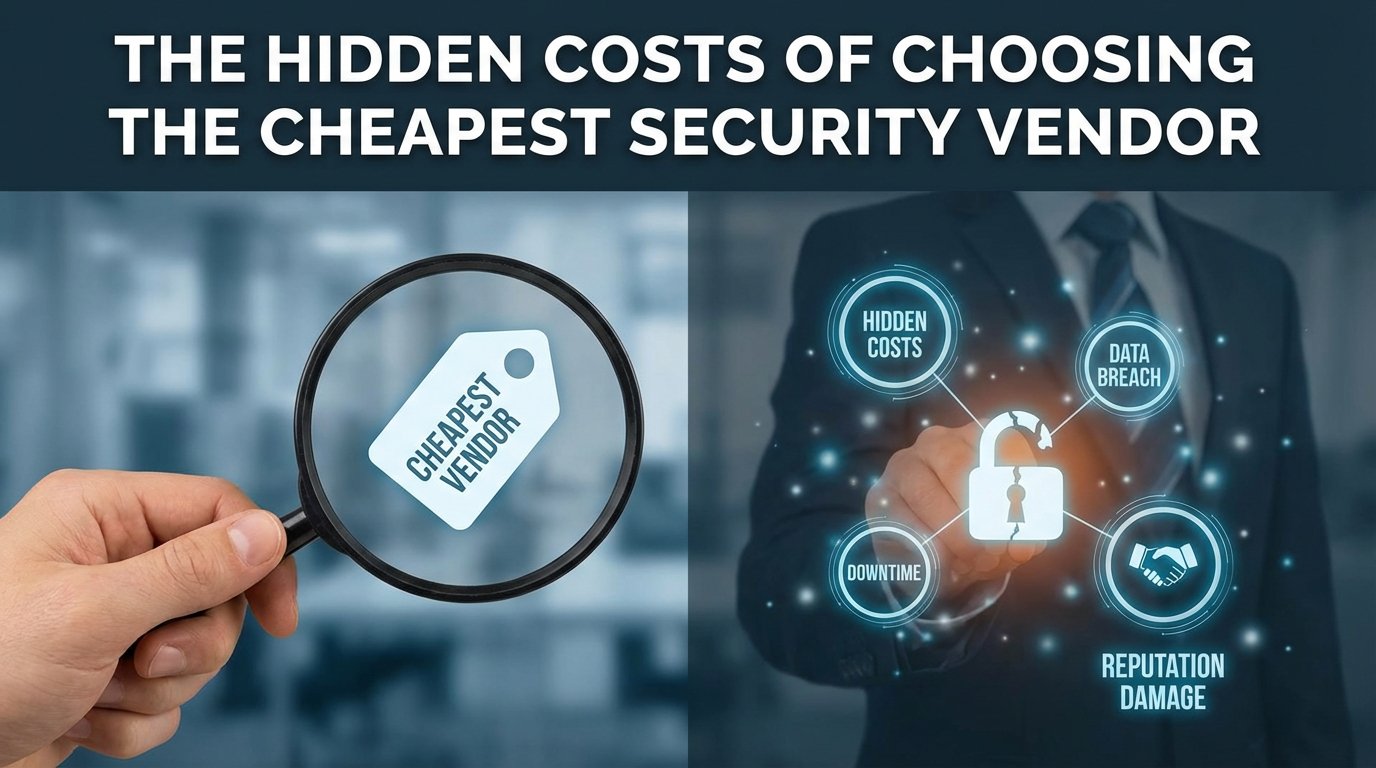
When evaluating proposals for a commercial security system, the lowest bid often catches immediate attention. A property manager reviewing quotes for a 300-unit residential complex might see a $50,000 difference between vendors and feel tempted to go with the cheapest option. Yet five years later, that same property might have spent an additional $75,000 on repairs, replacements, and workarounds—turning the “bargain” into the most expensive choice they could have made.
Security system costs extend far beyond the initial invoice. For large-scale properties like hotels, office complexes, and multi-family residential communities, the total cost of ownership security encompasses installation quality, equipment longevity, maintenance requirements, scalability, and ongoing support. Understanding these hidden expenses before signing a contract can save property owners hundreds of thousands of dollars over a system’s lifespan.
The True Cost Structure of Commercial Security Systems
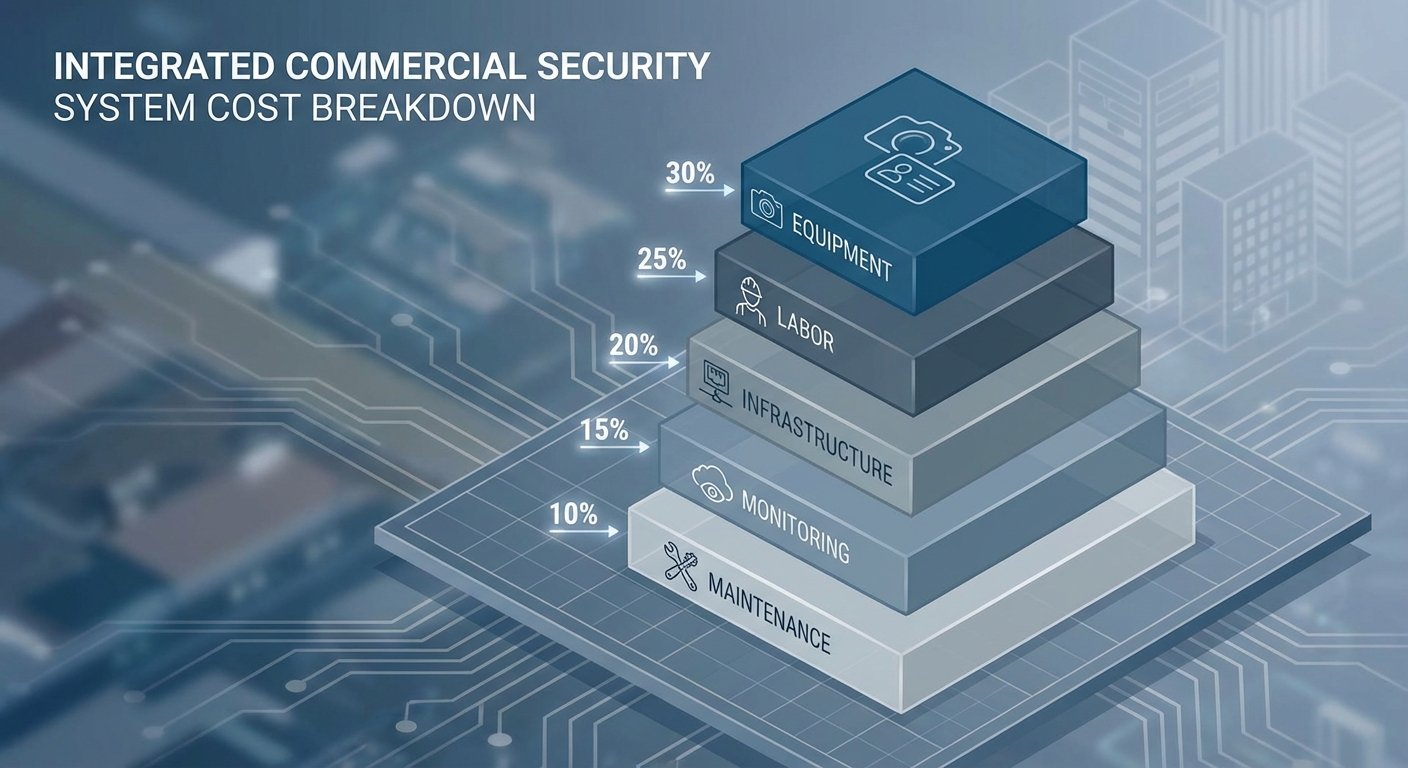
Professional commercial security installation involves multiple cost layers that budget vendors often underestimate or ignore entirely. When comparing security installation pricing, decision-makers need to evaluate the complete picture rather than just equipment and labor hours.
Infrastructure Requirements
Sophisticated access control systems and surveillance networks require robust infrastructure that low-cost vendors frequently skimp on. A 400-unit high-rise in Brickell needs enterprise-grade network cabling, properly sized electrical circuits, dedicated network switches, and backup power systems. Budget installers might use residential-grade Cat5e cable instead of Cat6A, undersized conduit that prevents future upgrades, or inadequate power supplies that cause intermittent failures.
These infrastructure shortcuts create cascading problems. When a hotel in West Palm Beach experiences network congestion because their discount installer used consumer-grade switches, guest room access credentials fail to sync properly. The property then spends thousands retrofitting proper infrastructure—work that should have been done correctly initially.
Integration Complexity
Modern commercial properties require multiple security technologies working together seamlessly. Cloud-based access control from Brivo needs to communicate with Axis Communications surveillance cameras, triggering recordings when doors open after hours. Visitor management platforms must integrate with parking access control, and elevator systems need to restrict floor access based on credentials.
Budget vendors typically lack the technical expertise to design and implement these integrations. They might install functional door controllers and cameras, but the systems operate independently. Property managers lose the operational efficiency and enhanced security that comes from unified platforms like Verkada Command, which consolidates access control, surveillance, alarms, and environmental monitoring into a single interface.
The cost of this missing integration manifests in staff time, operational inefficiencies, and security gaps. Security personnel must check multiple systems separately during investigations. Access control and camera systems don’t share data, making it impossible to automatically capture video when specific doors are accessed.
Equipment Quality and Longevity
Commercial security vendor selection should prioritize equipment durability, especially in demanding environments. South Florida’s extreme heat, humidity, and salt air exposure destroy inferior equipment rapidly. Manhattan’s temperature extremes, from sweltering summers to freezing winters, similarly challenge outdoor surveillance systems.
False Economy of Consumer-Grade Equipment
Low-cost security vendors often substitute consumer or prosumer equipment for commercial-grade systems. A property might receive cameras marketed for residential use rather than industrial Axis or Hanwha Vision models engineered for 24/7 operation. While these cameras photograph identically in a showroom, their performance diverges dramatically in real-world conditions.
A beachfront hotel in Delray Beach discovered this difference painfully when their budget cameras failed after 18 months. Salt corrosion destroyed non-rated housings, and internal components couldn’t handle constant humidity. Replacement costs exceeded what commercial-grade cameras would have cost initially—plus the property lost surveillance coverage during critical months of operation.
Enterprise manufacturers like Axis Communications and Hanwha Vision engineer cameras specifically for harsh environments, with conformal coating on circuit boards, sealed connectors, and housings rated for extreme temperatures. These systems operate reliably for 7-10 years or longer, while budget alternatives typically fail within 2-4 years.
Proprietary Systems and Vendor Lock-In
Some budget vendors propose proprietary systems with attractive initial pricing but expensive long-term consequences. These closed platforms prevent integration with other technologies and lock property owners into a single vendor for all future equipment, service, and upgrades.
Open-platform solutions like Milestone Systems XProtect work with 10,000+ camera models from any manufacturer. If a property needs to add thermal imaging cameras for perimeter detection or upgrade lobby cameras to 4K resolution, they can select the best equipment for each application. Proprietary systems force owners to purchase whatever their original vendor offers—often at inflated prices with limited options.
The Installation Quality Factor
Professional installation represents a significant portion of security system ROI. Poor installation practices create immediate problems and long-term maintenance nightmares that erode any initial savings.
Code Compliance and Permitting
Licensed electrical contractors understand local building codes, permitting requirements, and inspection processes. Budget installers frequently skip permitting entirely or fail inspections due to code violations. When discovered during property sales, refinancing, or insurance reviews, these unpermitted installations can halt transactions, void insurance coverage, or require complete system removal and reinstallation by licensed professionals.
Florida and New York have specific requirements for low-voltage installations, fire alarm integration, and emergency communication systems. Working with a licensed contractor like Fortress Global Technology ensures installations meet all regulatory requirements from day one.
Cable Management and Documentation
Proper cable installation seems mundane but dramatically impacts system reliability and maintenance costs. Professional installers label every cable, create detailed documentation, install cables in organized pathways with service loops, and use weather-appropriate materials for outdoor runs.
Budget installers often run cables haphazardly—no labels, no documentation, no service loops, inappropriate materials. When a camera fails three years later, technicians spend hours tracing unlabeled cables through ceiling spaces. What should be a 30-minute camera replacement becomes a three-hour troubleshooting nightmare billed at premium service rates.
A commercial office building in Boca Raton spent $8,000 having their entire security system re-documented after their budget installer left zero records. Without cable schedules, network diagrams, or device configurations, even basic troubleshooting became impossible.
Ongoing Support and Maintenance Realities
Security systems require ongoing attention—software updates, hardware maintenance, troubleshooting, and user training. The quality and availability of support dramatically affects total cost of ownership security.
Local Service Availability
National low-cost providers often lack local technicians. When an access control system malfunctions at a 500-unit apartment complex in Fort Lauderdale, residents can’t access their building. Every hour of downtime creates resident complaints and potential liability. Budget vendors might promise 24-hour service response but actually dispatch technicians from distant locations with 2-3 day arrival times.
Established local integrators maintain service teams throughout their coverage areas. Fortress Global Technology operates throughout Palm Beach County, Broward County, and Miami-Dade County with technicians who can respond rapidly to service calls. For nationwide properties, partnerships like those with Velocity MSC provide 24/7/365 support through 5,500+ technicians across the country.
Software Updates and Cybersecurity
Modern cloud-based platforms like Verkada and Brivo release regular software updates that enhance functionality and patch security vulnerabilities. Professional integrators ensure clients stay current with updates, coordinate changes to minimize disruption, and test compatibility across integrated systems.
Budget vendors rarely provide proactive update management. Systems fall behind on patches, creating cybersecurity vulnerabilities that hackers actively exploit. An outdated surveillance system becomes an entry point into a property’s entire network, potentially exposing sensitive data or providing access to building control systems.
Scalability and Future-Proofing
Commercial properties evolve constantly. Buildings add floors, communities expand, hotels renovate, and technology capabilities advance. System scalability directly impacts long-term costs.
Growth Accommodation
A mixed-use development starting with 200 residential units might add a retail component and 100 additional units within five years. Systems designed with scalability in mind accommodate this growth through additional devices, expanded licenses, and extended coverage—without requiring complete replacement.
Budget systems often lack scalability. The access control platform can’t handle additional doors, the network infrastructure can’t support more cameras, or the software licensing model makes expansion prohibitively expensive. Properties face complete system replacement rather than incremental upgrades.
Technology Evolution
Security technology advances rapidly. Mobile credentials through smartphone apps, AI-powered video analytics, license plate recognition systems, and cloud-based unified management platforms offer capabilities impossible five years ago. Systems designed on open platforms can incorporate new technologies as they emerge.
A parking structure using Milestone XProtect video management software can add Hanwha Vision AI cameras with vehicle analytics or Axis thermal cameras for perimeter detection without replacing the entire system. Proprietary budget systems can’t accommodate new technologies, forcing complete replacement when properties want to upgrade capabilities.
Insurance, Liability, and Risk Considerations
Functional security systems reduce insurance premiums, prevent costly theft and vandalism, and protect properties from liability claims. System failures create exposure that far exceeds any installation savings.
When an improperly installed access control system fails and allows unauthorized entry resulting in theft or assault, property owners face both direct losses and significant liability exposure. Insurance carriers may deny claims if they determine systems were improperly installed or maintained. A hotel might save $30,000 choosing a budget installer, then face a $500,000 lawsuit when their malfunctioning surveillance system failed to record a parking garage assault.
Professional installations by licensed contractors carry warranty protection, liability insurance, and the credibility to demonstrate reasonable security measures during litigation. These protections have quantifiable value in risk management calculations.
Calculating True Security System ROI
Sophisticated property owners evaluate security investments over 7-10 year horizons, calculating total cost of ownership rather than initial outlays. This analysis includes:
- Initial equipment and installation costs
- Annual service and maintenance agreements
- Anticipated repair and replacement frequency
- Software licensing and update costs
- Integration capabilities and operational efficiency gains
- Insurance premium reductions
- Property value enhancement
- Scalability for anticipated growth
- Risk mitigation and liability protection
A comprehensive system from an established integrator might cost 30% more initially but deliver 50% lower total cost of ownership through superior equipment longevity, reduced maintenance requirements, better integration, and enhanced capabilities. The premium for professional installation represents insurance against the hidden costs that inevitably surface with budget alternatives.
Making Informed Vendor Selection Decisions
Property owners and facility managers can protect themselves from hidden costs by asking detailed questions during the vendor selection process:
- Is the vendor a licensed electrical contractor, or do they subcontract installation work?
- Which specific equipment brands and models are proposed, and are they commercial-grade?
- What infrastructure (cabling, network, power) is included in the proposal?
- How will different systems integrate, and who handles integration programming?
- What documentation will be provided (cable schedules, network diagrams, device configurations)?
- Where are service technicians located, and what are guaranteed response times?
- What ongoing software updates and cybersecurity management are included?
- How does the system accommodate future growth and technology additions?
- What warranties cover equipment, installation workmanship, and integration?
Vendors who provide detailed, specific answers demonstrate the expertise necessary for complex commercial installations. Those offering vague responses or deflecting questions likely lack the capabilities to deliver professional results.
Partner With Experienced Security Integration Professionals
Large-scale commercial properties deserve security systems engineered for their specific requirements, installed by licensed professionals, and supported throughout their operational lifespan. Fortress Global Technology has designed and implemented comprehensive security ecosystems for hotels, office complexes, multi-family communities, and parking facilities throughout South Florida and nationwide since 2004.
As authorized partners with industry leaders including Verkada, Brivo, Axis Communications, Hanwha Vision, and Milestone Systems, we design integrated solutions that protect property values, enhance operational efficiency, and scale with your needs. Our licensed technicians handle everything from initial design and permitting through installation, configuration, and ongoing support.
Contact Fortress Global Technology today for a comprehensive security consultation. Let us show you how professional design and installation deliver superior total cost of ownership compared to budget alternatives—protecting both your property and your investment.