
When a delivery truck approaches your commercial property’s entrance at 6 AM, does security personnel need to manually log the vehicle, verify credentials, and operate the gate? In 2026, South Florida’s most sophisticated properties have eliminated this friction entirely through license plate recognition (LPR) technology that automatically identifies, verifies, and grants access—without stopping traffic flow or requiring human intervention.
License plate recognition access control has evolved from a luxury feature to an operational necessity for properties managing significant vehicle traffic. Hotels processing hundreds of daily arrivals, multi-family communities with thousands of residents and guests, and commercial facilities coordinating delivery schedules now rely on LPR systems to maintain security while improving convenience.
How License Plate Recognition Access Control Works
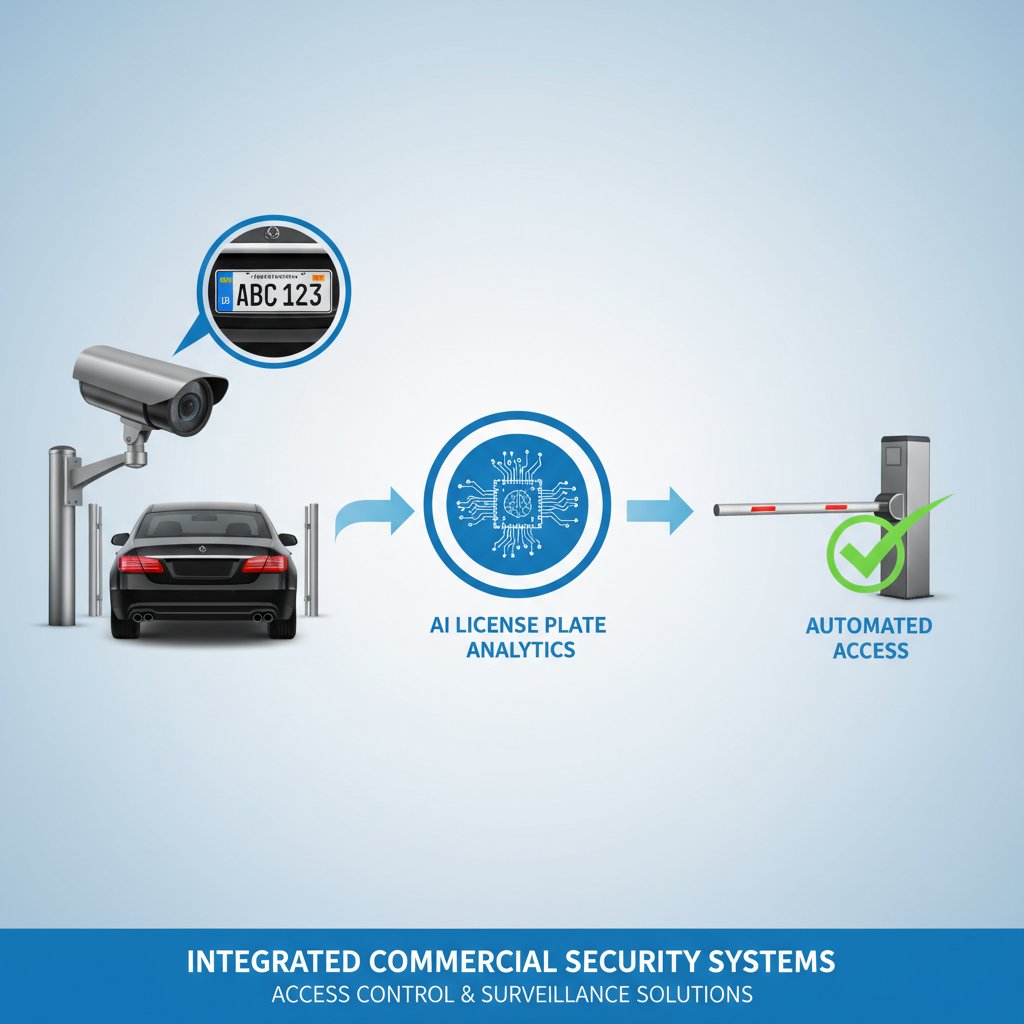
Modern LPR security systems South Florida properties deploy combine specialized cameras, artificial intelligence, and integrated access control platforms to create seamless vehicle authentication. The process happens in seconds:
High-resolution cameras capture vehicle license plates as they approach entry points. Advanced image processing algorithms read plate characters regardless of lighting conditions, weather, or vehicle speed. The system instantly compares captured plate data against authorized databases. When a match confirms authorization, automated gate access control systems open barriers without requiring the driver to stop, present credentials, or interact with intercom systems.
This technology represents a fundamental shift from traditional access methods. Unlike proximity cards that can be shared, lost, or forgotten, license plates provide permanent vehicle identification that cannot be easily transferred or duplicated. Unlike traditional gate codes that get shared throughout communities, LPR credentials remain unique to specific vehicles and can be instantly revoked when needed.
Integration with Comprehensive Access Control Systems
The real power of license plate recognition emerges when integrated with broader commercial access control systems rather than operating as standalone equipment. Fortress Global Technology designs LPR implementations that communicate with multiple security layers across properties.
Unified Management Platforms
Cloud-based platforms like Brivo and Verkada allow property managers to control vehicle access alongside pedestrian entry credentials, visitor management, and surveillance systems. A single interface manages resident vehicle registrations, temporary guest passes, vendor scheduling, and access reports. When a new tenant moves into a multi-family property, their vehicle credentials activate simultaneously with their key fob and mobile access permissions.
Surveillance Integration
License plate recognition systems should trigger coordinated camera responses. When an unknown vehicle attempts entry, the LPR event automatically cues high-resolution cameras from manufacturers like Axis Communications or Hanwha Vision to capture driver images and vehicle details. These recordings link directly to the access attempt in video management platforms like Milestone XProtect, creating comprehensive audit trails.
Visitor Management Coordination
Modern residential access control systems connect LPR technology with digital visitor management. When residents pre-authorize guests through mobile apps or web portals, the system temporarily adds guest vehicle plates to approved databases. Upon arrival, guests experience seamless entry without stopping at guard houses or calling residents for access codes. After the authorized time window expires, the system automatically removes temporary credentials.
Property Types Maximizing LPR Technology Value
Multi-Family Residential Communities
South Florida’s luxury high-rises and gated communities with 200+ units face constant vehicle access challenges. Residents expect convenient entry without delays, while communities must restrict unauthorized access and manage guest parking. Smart access control systems with LPR capabilities solve these competing demands.
Brickell condominiums and Boca Raton gated communities use license plate recognition to differentiate between resident vehicles granted 24/7 access, registered guest vehicles with time-limited permissions, and service vehicles approved for specific time windows. The system automatically directs vehicles to appropriate parking areas—residents to garage entrances, guests to visitor parking, deliveries to loading zones.
Hotels and Hospitality Properties
Hotels processing hundreds of daily vehicle movements cannot afford entry bottlenecks that frustrate guests or create traffic backups onto public roads. Properties throughout Palm Beach County and Miami-Dade integrate LPR systems with property management software to provide registered guests with automatic parking access.
When guests complete online check-in and provide license plate information, the hotel’s access control system automatically authorizes their vehicle for the reservation duration. Valet operations benefit from LPR integration that logs vehicle movements, links plates to specific guests, and triggers camera recordings during vehicle retrievals—providing liability protection and operational accountability.
Commercial Office Buildings and Business Parks
Office properties managing multi-tenant access, employee parking assignments, and visitor vehicles need sophisticated commercial access control systems that accommodate complex authorization rules. LPR technology enables properties to assign parking privileges by tenant, restrict executive parking areas, manage reserved spaces, and bill tenants for additional parking allocations.
Corporate campuses in Palm Beach Gardens and Fort Lauderdale business districts use license plate recognition to streamline employee entry during peak arrival times while maintaining security protocols. The same systems that grant employees automatic access flag unknown vehicles for security verification.
Parking Facilities and Garages
Properties with substantial parking infrastructure—500+ space garages serving mixed-use developments, hotel parking structures, or commercial parking facilities—rely on LPR systems to manage capacity, validate parking privileges, and integrate with revenue control systems. License plate recognition eliminates ticket-based systems prone to loss and fraud while providing detailed utilization analytics.
Warehouses and Distribution Centers
Industrial properties coordinating scheduled deliveries, managing contractor access, and securing loading docks use LPR technology to verify authorized vehicles match scheduled appointments. South Florida distribution centers integrate license plate recognition access control with warehouse management systems, automatically opening designated loading dock doors when expected trucks arrive and alerting security when unscheduled vehicles approach.
Technical Considerations for South Florida Deployments
South Florida’s unique environmental conditions require specialized LPR equipment specifications and installation approaches that differ from deployments in other regions.
Weather-Resistant Equipment
Cameras and access control hardware must withstand intense heat, high humidity, salt air exposure in coastal locations, and tropical storms. Fortress Global Technology specifies commercial-grade equipment with IP66 or IP67 weather ratings, corrosion-resistant housings, and temperature tolerances suitable for year-round outdoor operation in subtropical climates.
Lighting Challenges
South Florida’s intense sunlight creates challenging lighting conditions for license plate recognition cameras. Professional installations position cameras to minimize direct sunlight interference while incorporating infrared illumination for reliable nighttime operation. Advanced LPR cameras automatically adjust exposure settings to capture clear plate images despite varying lighting conditions throughout the day.
Hurricane Preparedness
Properties throughout the region must consider storm preparedness when designing automated gate access control systems. Installations should include backup power systems ensuring access control functionality during power outages, impact-resistant equipment mounting to prevent storm damage, and manual override capabilities allowing security personnel to operate systems when network connectivity fails.
Mobile Credentials and Multi-Modal Access
The most effective residential access control and commercial implementations in 2026 recognize that license plate recognition should complement rather than replace other access methods. Properties benefit from multi-modal access strategies allowing authorized users multiple authentication options.
Residents might use license plate recognition when driving, mobile credentials when walking or biking, and physical access cards as backup. Cloud-based platforms like Brivo manage all credential types through unified interfaces, ensuring consistent security policies regardless of access method.
This approach provides redundancy protecting against individual system failures while accommodating various user preferences and circumstances. A resident with a rental car not registered in the LPR system can still access the property using mobile credentials on their smartphone.
Privacy and Data Management Considerations
License plate recognition systems collect and store vehicle identification data requiring responsible management practices. Property operators must establish clear policies governing data retention, access limitations, and privacy protections.
Modern smart access control systems include configurable privacy controls allowing properties to balance security needs with resident privacy expectations. Systems can be configured to log access events without retaining plate images long-term, limit data access to authorized personnel only, and automatically purge historical records after defined retention periods.
Properties should communicate transparently with residents and tenants about LPR system capabilities, data collection practices, and privacy safeguards—building trust while maintaining security effectiveness.
Scalability for Growing Properties
South Florida’s development landscape includes expanding communities, phased construction projects, and properties planning future growth. License plate recognition access control implementations should accommodate scalability without requiring complete system replacements.
Cloud-based commercial access control systems offer inherent scalability advantages. Adding new entry points requires installing additional LPR cameras and connecting them to existing cloud platforms—without upgrading central servers or replacing control panels. Properties can start with primary entrance coverage and gradually add secondary gates, parking garage entries, and loading dock access as budgets and needs evolve.
This scalability extends to credential management capacity. Systems should handle current authorized vehicle counts while accommodating future growth. A multi-family community starting with 300 resident vehicles should deploy platforms capable of managing 500+ vehicles without performance degradation.
Professional Installation and Ongoing Support
License plate recognition systems require professional design and installation to achieve optimal performance. Camera positioning, network infrastructure, and integration complexity demand expertise beyond basic security camera installations.
Fortress Global Technology approaches LPR implementations as comprehensive projects rather than simple equipment sales. Licensed electrical contractors handle complete installations including low-voltage cabling, network infrastructure configuration, equipment mounting, system programming, and integration with existing access control platforms.
Proper installations account for vehicle approach angles, camera height and positioning for plate capture, network bandwidth requirements, and backup power integration. These details determine whether systems deliver reliable performance or frustrate users with missed reads and false rejections.
Ongoing support remains equally important. Properties need local technical teams available throughout system lifespans to address maintenance needs, update authorized vehicle databases, troubleshoot connectivity issues, and modify access rules as operational requirements change. Unlike companies that install systems and disappear, Fortress GT maintains support relationships protecting property investments long-term.
Return on Investment Beyond Security
While security benefits justify license plate recognition investments, properties realize additional operational and financial returns that strengthen overall value propositions.
Reduced staffing requirements represent significant ongoing savings. Properties relying on guard houses to verify vehicle access can redeploy security personnel to other priorities when LPR systems automate entry verification. Multi-family communities eliminate costs associated with physical access cards, gate remotes, and replacement credentials for lost devices.
Improved traffic flow prevents backups onto public roads that create liability concerns and frustrate residents. Hotels avoid guest dissatisfaction caused by entry delays during peak check-in times. Office properties reduce employee complaints about morning access congestion.
Detailed access analytics provide property management insights impossible with traditional systems. Reports showing peak traffic times inform staffing decisions. Vehicle frequency data helps identify unauthorized access patterns. Usage statistics support parking policy decisions and amenity planning.
Selecting the Right LPR Partner
Property owners evaluating license plate recognition solutions should prioritize partners offering comprehensive capabilities rather than simply purchasing equipment from vendors.
Look for licensed contractors capable of handling complete installations including permitting, infrastructure work, and code compliance. Verify authorization partnerships with leading manufacturers ensuring access to latest technology and warranty support. Confirm local service availability throughout South Florida rather than relying on distant companies with limited regional presence.
Experience with similar property types matters significantly. Hotels have different LPR requirements than multi-family communities. Parking facilities face different challenges than office buildings. Partners with relevant experience understand these nuances and design appropriate solutions.
Future-Proofing Access Control Investments
Technology evolution continues accelerating. Properties investing in LPR security systems South Florida in 2026 should ensure solutions remain viable and upgradeable for years ahead.
Cloud-based platforms provide automatic software updates delivering new features and security patches without requiring property involvement. Open architecture systems based on industry standards accommodate future integration with emerging technologies. Partnerships with manufacturers like Verkada, Brivo, and Axis Communications—companies demonstrating long-term innovation commitment—reduce obsolescence risks.
Properties should request scalability roadmaps from integration partners, understanding how systems accommodate future cameras, additional entry points, new credential types, and evolving integration requirements.
Taking the Next Step
License plate recognition represents a fundamental advancement in property access control, delivering security improvements alongside operational benefits and enhanced user experiences. South Florida properties ranging from luxury residential high-rises to commercial office complexes to hospitality destinations are implementing LPR technology to meet 2026’s security and convenience expectations.
Successful deployments require professional design tailored to specific property characteristics, expert installation accounting for environmental factors, and ongoing support ensuring long-term reliability. These complex systems demand integration expertise that goes beyond simple equipment sales.
Fortress Global Technology has designed and installed comprehensive access control solutions incorporating license plate recognition for properties throughout Palm Beach County, Broward County, and Miami-Dade County since 2004. As licensed electrical contractors and authorized partners with leading manufacturers, we deliver complete systems backed by local support teams.
Contact Fortress Global Technology today to discuss how license plate recognition access control can transform security and operations at your South Florida property. Our team will evaluate your specific requirements, recommend appropriate technologies, and design integrated solutions protecting your investment while improving daily operations.