
Grainy footage. No remote access. Disconnected cameras that mysteriously stop recording. If your South Florida property still relies on analog CCTV, these frustrations are costing you more than you realize. The gap between outdated surveillance technology and modern IP security cameras commercial properties depend on has never been wider—or more critical to address.
Analog systems that were state-of-the-art twenty years ago now leave commercial properties vulnerable in ways facility managers often don’t recognize until an incident occurs. Meanwhile, modern IP-based surveillance doesn’t just capture better video—it integrates with access control, triggers automated responses, and provides the kind of intelligent analytics that transform security from reactive to proactive.
For property managers overseeing hotels, multi-family communities, office buildings, and commercial facilities across Palm Beach, Broward, and Miami-Dade counties, understanding how to migrate from analog to IP surveillance is no longer optional planning—it’s essential infrastructure modernization.
Why Analog CCTV Systems Fail Modern Security Needs
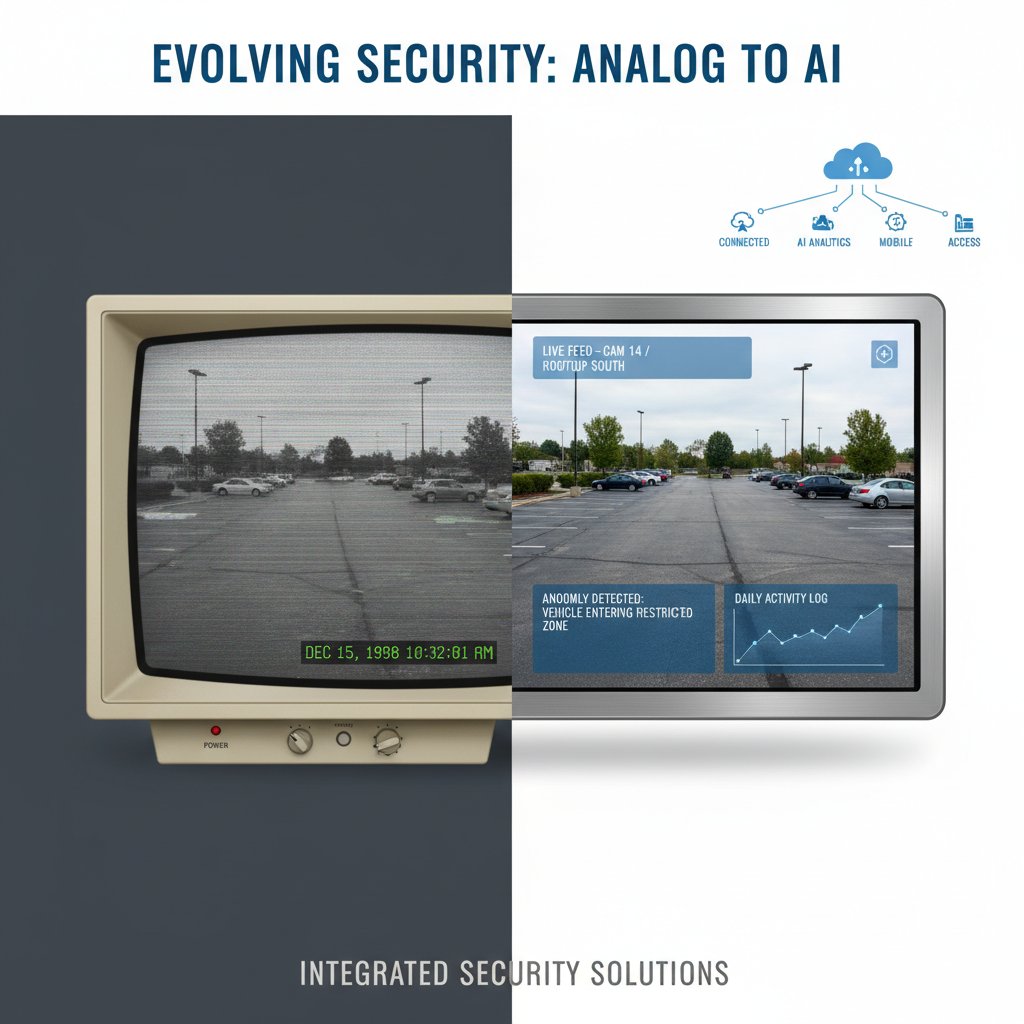
Analog closed-circuit television served South Florida properties well for decades, but today’s commercial security requirements have evolved far beyond what these legacy systems can deliver. The limitations aren’t just about image quality—they’re about fundamental architectural constraints that prevent analog systems from meeting contemporary security standards.
Resolution represents the most visible limitation. Standard analog cameras max out at approximately 704×480 pixels—roughly 0.4 megapixels. Compare this to modern IP security cameras commercial facilities deploy today, which routinely deliver 4K resolution at 8+ megapixels. The difference means analog footage often can’t positively identify faces, read license plates, or provide evidence detailed enough for investigations or liability protection.
The infrastructure requirements create additional complications. Analog systems require dedicated coaxial cabling running from each camera back to a centralized DVR location. This point-to-point wiring makes system expansion expensive and disruptive, especially in occupied buildings. Adding cameras means running new cables through finished spaces—a significant undertaking in multi-story buildings or expansive properties.
Remote access capabilities remain severely limited or non-existent with analog systems. Most require clunky workarounds or third-party software that provides unreliable connectivity. For property managers overseeing multiple locations or seeking to monitor facilities after hours, this limitation alone justifies business cctv installation upgrades to IP-based platforms.
Integration with other security technologies presents perhaps the most significant operational limitation. Analog CCTV operates in isolation—it can’t communicate with access control systems, trigger automated alerts, or coordinate with other building management platforms. Modern commercial properties require security layers that work together seamlessly, something analog architecture fundamentally cannot provide.
Understanding IP Camera Technology and Network Infrastructure
IP cameras represent a fundamental architectural shift from analog systems. Rather than proprietary video signals over coaxial cable, IP cameras transmit digital video over standard network infrastructure using Internet Protocol—the same technology that powers your data network and internet connectivity.
This network-based approach creates opportunities analog systems never could. Each IP camera functions as an independent device with its own processor, memory, and often onboard storage. Rather than simply capturing raw video, these intelligent cameras can perform analytics at the edge—detecting motion, recognizing faces, reading license plates, or identifying unusual behavior patterns—all before video even reaches central recording systems.
Power over Ethernet (PoE) technology simplifies commercial security camera installation dramatically. A single network cable delivers both data connectivity and electrical power to each camera, eliminating the need for separate power supplies or electrical circuits at every camera location. For large properties with dozens or hundreds of cameras, this infrastructure simplification reduces installation complexity and ongoing maintenance requirements substantially.
Network video recorders (NVRs) replace the digital video recorders (DVRs) used in analog systems. However, advanced IP surveillance platforms often distribute recording across multiple devices. Cameras might record locally to onboard storage, backup to cloud platforms, and simultaneously stream to network video management systems (VMS) that provide unified monitoring across entire properties or multiple locations.
Bandwidth and storage considerations require careful planning during south florida security installation projects. A single 4K camera streaming at high quality might consume 8-12 Mbps of network bandwidth continuously. Multiply this across dozens of cameras, and network infrastructure design becomes critical. Professional integrators design systems with dedicated surveillance VLANs, managed switches with appropriate port capacity, and sufficient storage to meet retention requirements while maintaining video quality.
Cloud-Based vs. On-Premise IP Surveillance Platforms
Modern commercial video surveillance offers two distinct architectural approaches, each with advantages depending on property type, IT resources, and operational requirements.
Hybrid Cloud Solutions
Platforms like Verkada represent the evolution of IP surveillance toward simplified cloud management with local redundancy. Cameras record continuously to onboard solid-state storage (typically 30-365 days depending on model and settings), while metadata and lower-resolution video streams to cloud infrastructure for remote access and management.
This hybrid approach delivers several advantages for South Florida properties. The cloud-based Command platform provides instant remote access from any device without complex network configuration or VPN requirements. System management happens through intuitive web interfaces that don’t require specialized video security expertise. Updates and new features deploy automatically without on-site service calls.
For properties with multiple locations—hotel chains, retail centers with multiple tenants, or multi-family management companies overseeing numerous communities—cloud platforms provide unified visibility across the entire portfolio through a single pane of glass. IT teams appreciate reduced infrastructure complexity: no servers to maintain, no software updates to manage, no local IT infrastructure beyond network switches.
Traditional On-Premise Systems
Platforms built around professional VMS software like Milestone XProtect or Hanwha’s WAVE offer maximum flexibility and control for properties with dedicated IT resources or specific compliance requirements.
These systems keep all video on-premise, appealing to organizations with data sovereignty requirements or concerns about ongoing cloud subscription costs. The open platform approach allows mixing camera brands—properties can deploy Axis Communications cameras in parking areas, Hanwha Vision cameras with advanced analytics in common areas, and specialized thermal cameras for perimeter detection, all managed through unified software.
On-premise systems scale to enormous deployments more cost-effectively once infrastructure is in place. A large hotel might deploy 300+ cameras across multiple buildings, all recording to centralized or distributed NVR infrastructure with retention periods extending months or years. This approach provides maximum control over video quality settings, retention policies, and integration with other systems.
The Migration Process: From Analog to IP Infrastructure
Successful analog-to-IP migrations require careful planning that considers operational continuity, budget constraints, and infrastructure realities. Properties can’t afford security gaps during transitions, making phased approaches often more practical than wholesale system replacements.
Infrastructure Assessment and Planning
Professional security systems boca raton integrators begin with comprehensive site surveys evaluating existing infrastructure. Key considerations include network capacity and architecture, cable plant condition and pathways, power availability at camera locations, and environmental factors specific to South Florida installations.
Coastal properties face particular challenges. Salt air accelerates corrosion of camera housings and mounting hardware. Intense UV exposure degrades cable jackets and camera enclosures. Summer heat and humidity stress electronic components. Professional assessments identify locations requiring specialized equipment—marine-grade camera housings for beachfront properties, cameras rated for extended temperature ranges, and weatherproof connections that withstand tropical storms.
Phased Migration Strategies
Most large properties migrate gradually rather than replacing entire systems simultaneously. Common approaches include prioritizing critical areas first—loading docks, cash handling areas, parking garages, or perimeter zones where improved analytics provide immediate value. High-traffic public areas might follow, with low-priority spaces migrating last.
Building-by-building migration works well for campus environments or multi-building communities. This approach allows complete infrastructure upgrades in discrete sections while maintaining analog coverage elsewhere temporarily. IT infrastructure gets properly established in each building before moving to the next.
Some properties opt for hybrid systems during extended transition periods. Encoder devices convert analog camera signals to IP streams, allowing older cameras to integrate with new VMS platforms temporarily. While this preserves some existing investment, it doesn’t address fundamental analog limitations and should be viewed as a transitional strategy rather than permanent solution.
Network Infrastructure Requirements
IP surveillance demands robust network infrastructure that many properties must upgrade during migration. Managed PoE switches provide power and connectivity to cameras while supporting features like VLANs for traffic segmentation and Quality of Service (QoS) for prioritizing video streams.
Dedicated surveillance networks separate camera traffic from general business data, improving both security and performance. Redundant network paths protect against connectivity failures. For critical applications, properties might deploy dual network connections to essential cameras or implement failover recording to multiple destinations.
Fiber optic backbone infrastructure often makes sense for large properties, providing high bandwidth between buildings or across expansive campuses without the distance limitations of copper cabling. Converting to fiber during analog migration future-proofs infrastructure for decades of technology evolution.
Integration Capabilities: When Surveillance Becomes Intelligent
The most significant advantage IP cameras deliver over analog systems emerges through integration with other security and building management technologies. Modern commercial properties operate security as ecosystems rather than isolated systems.
Access control integration creates powerful capabilities. When someone badges into a secured area, the access control system triggers associated cameras to begin recording, providing video verification of who entered and whether anyone tailgated behind them. Forced door alarms automatically bring up relevant camera views on security monitors. After-hours access attempts trigger both recording and alert notifications to security personnel.
Platforms like Brivo’s cloud access control integrate seamlessly with surveillance systems to create complete audit trails. Property managers can search for all instances when a particular credential was used and immediately view associated video footage, streamlining investigations and providing liability protection.
Video analytics transform cameras from passive recording devices to active security tools. Modern IP cameras detect loitering in restricted areas, identify vehicles moving the wrong direction in parking garages, count people entering and exiting facilities, or recognize when objects are removed from or left in protected zones. These intelligent features reduce security staff workload by filtering events that require human attention from routine activity.
For hotels, integration with property management systems enables advanced capabilities like automated recording when guest rooms are accessed during stays, or integration with point-of-sale systems to provide video verification during transaction disputes. Multi-family properties integrate with visitor management platforms and package delivery systems, automatically documenting deliveries and visitor access.
South Florida Environmental and Code Considerations
South Florida’s unique environmental conditions and building codes require specific considerations during IP camera deployments that distinguish local installations from projects in other regions.
Hurricane preparedness influences equipment selection and installation methodology. Cameras and infrastructure should maintain functionality through power interruptions. Uninterruptible power supply (UPS) systems keep critical cameras operational during outages. Some properties deploy battery backup specifically for surveillance infrastructure, maintaining security coverage when grid power fails.
Outdoor camera installations require careful attention to weatherproofing beyond standard IP ratings. Cable entry points need proper sealing to prevent water intrusion during wind-driven rain events. Mounting hardware should be stainless steel or marine-grade aluminum rather than standard steel that corrodes in coastal environments. Junction boxes and connection points benefit from dielectric grease applications that prevent corrosion of network and power connections.
Lightning protection deserves particular attention in Florida, which experiences more lightning strikes than any other state. Outdoor cameras benefit from surge suppression devices installed at both camera and switch locations. Proper grounding of mounting poles and hardware provides additional protection. Some properties install fiber optic connections to outdoor cameras specifically to eliminate electrical paths that lightning can follow into buildings.
Building codes throughout Palm Beach, Broward, and Miami-Dade counties require permits and inspections for low-voltage security installations in commercial properties. Professional security systems boca raton contractors maintain appropriate licensing, pull necessary permits, and ensure installations meet code requirements—protecting property owners from liability and ensuring insurance coverage remains valid.
Calculating ROI Beyond Security Improvements
While improved security justifies IP camera migration on its own merits, comprehensive return on investment analysis reveals additional value that accelerates payback timelines.
Operational efficiency gains emerge through remote monitoring capabilities that reduce security staffing requirements or allow single personnel to monitor multiple locations. Video verification of alarms reduces false dispatches and associated costs. Integration with access control eliminates manual processes like checking visitor logs against entry video.
Insurance premium reductions often partially offset system costs. Commercial insurance carriers increasingly offer discounts for properties with modern surveillance systems that reduce claim frequency and provide evidence during liability disputes. Some carriers require specific surveillance coverage as conditions of coverage for high-value properties.
Liability protection value becomes apparent during slip-and-fall claims, workplace incidents, or disputes over what occurred during specific events. High-resolution footage that clearly documents incidents protects properties from fraudulent claims while providing evidence when legitimate issues occur. For properties facing litigation, the difference between grainy analog footage and 4K IP camera evidence can mean millions of dollars in settlement differences.
Property value and marketability benefit from modern security infrastructure. Class A office buildings, luxury multi-family properties, and upscale hotels compete partially on amenities and security features. Tenants and guests increasingly expect sophisticated security technology as standard rather than premium features. Properties with obsolete analog systems face competitive disadvantages during leasing and sales.
Selecting the Right Technology Partner
Complex IP surveillance migrations require integration expertise beyond simply installing cameras. The difference between successful deployments that deliver promised capabilities and problematic installations that create ongoing frustration often comes down to partner selection.
Licensed electrical contractors bring capabilities essential for commercial installations. Fortress Global Technology’s licensing enables complete infrastructure projects—from network cabling installation through switch configuration to final system commissioning—under single-source responsibility. This integrated approach prevents the finger-pointing that occurs when multiple subcontractors each blame others for system problems.
Authorized partnerships with leading manufacturers ensure access to technical support, warranty protection, and training on latest capabilities. Fortress GT’s relationships with Verkada, Axis Communications, Hanwha Vision, and Milestone Systems provide clients confidence that installations follow manufacturer specifications and best practices.
Local presence throughout South Florida means rapid response when issues arise and familiarity with regional considerations—from permitting requirements in different municipalities to environmental factors affecting equipment selection. National integrators often lack local teams, resulting in delayed service and technicians unfamiliar with Florida-specific installation challenges.
Long-term support capabilities matter as much as installation quality. Security systems require ongoing maintenance, software updates, user training, and occasional troubleshooting. Partners who remain available throughout system lifecycles—not just during initial installations—protect long-term technology investments.
Taking the Next Step Toward IP Surveillance
Analog CCTV systems served South Florida properties reliably for decades, but the security landscape has evolved beyond what legacy technology can address. IP security cameras commercial properties depend on today deliver not just better video quality, but intelligent capabilities that transform surveillance from passive recording to active security management.
For property managers, facility directors, and HOA boards overseeing commercial properties throughout Palm Beach, Broward, and Miami-Dade counties, the question isn’t whether to migrate to IP surveillance, but how to plan transitions that maintain security continuity while modernizing infrastructure strategically.
Fortress Global Technology specializes in complex commercial security camera installation projects that integrate surveillance with access control, building systems, and property management platforms. Since 2004, we’ve designed and deployed comprehensive security ecosystems for hotels, multi-family communities, office buildings, and commercial facilities across South Florida and nationwide.
Whether you’re planning complete system replacement or evaluating phased migration strategies, our licensed team provides consultation that considers your specific property requirements, operational constraints, and budget realities. We’ll assess existing infrastructure, design solutions that address your unique security challenges, and deliver integrated systems backed by ongoing local support.
Contact Fortress Global Technology today to schedule a comprehensive security assessment for your South Florida property. Discover how modern IP surveillance technology can enhance security, reduce operational costs, and provide the intelligent capabilities your facility deserves. Call our Boca Raton office or visit our website to begin the conversation about upgrading your property’s surveillance infrastructure.