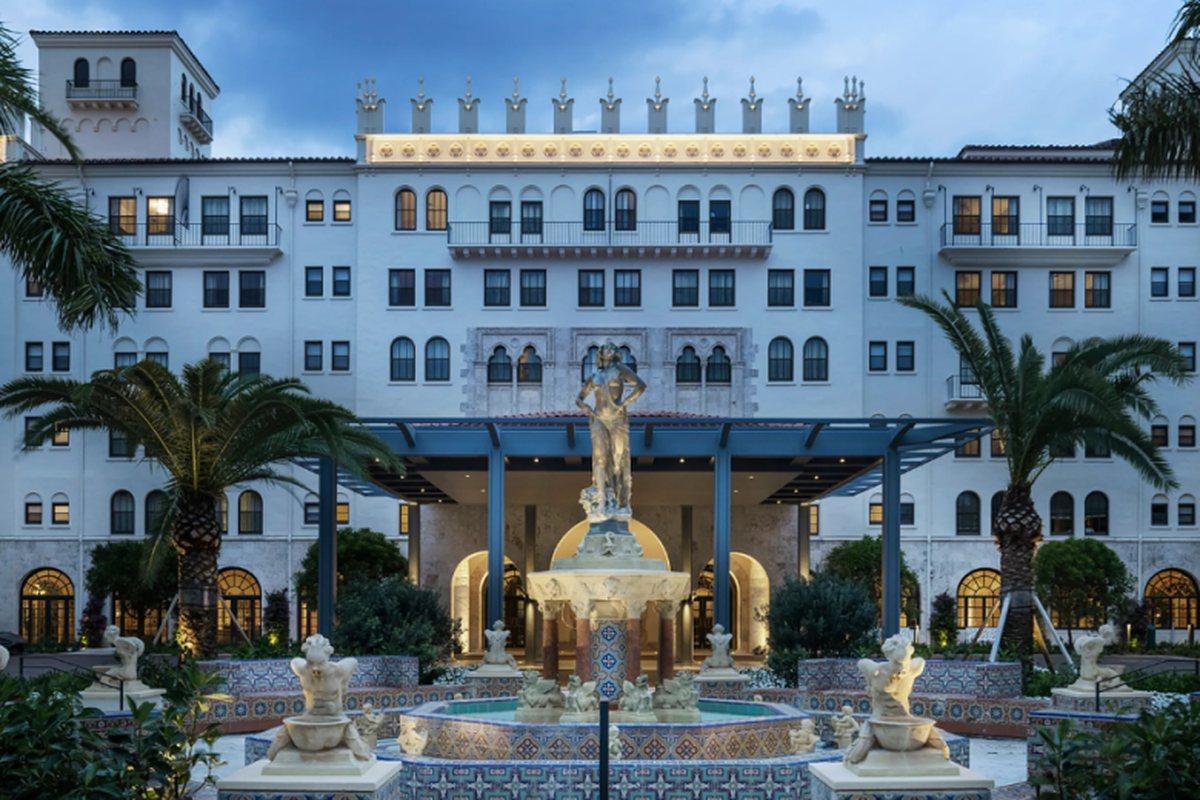
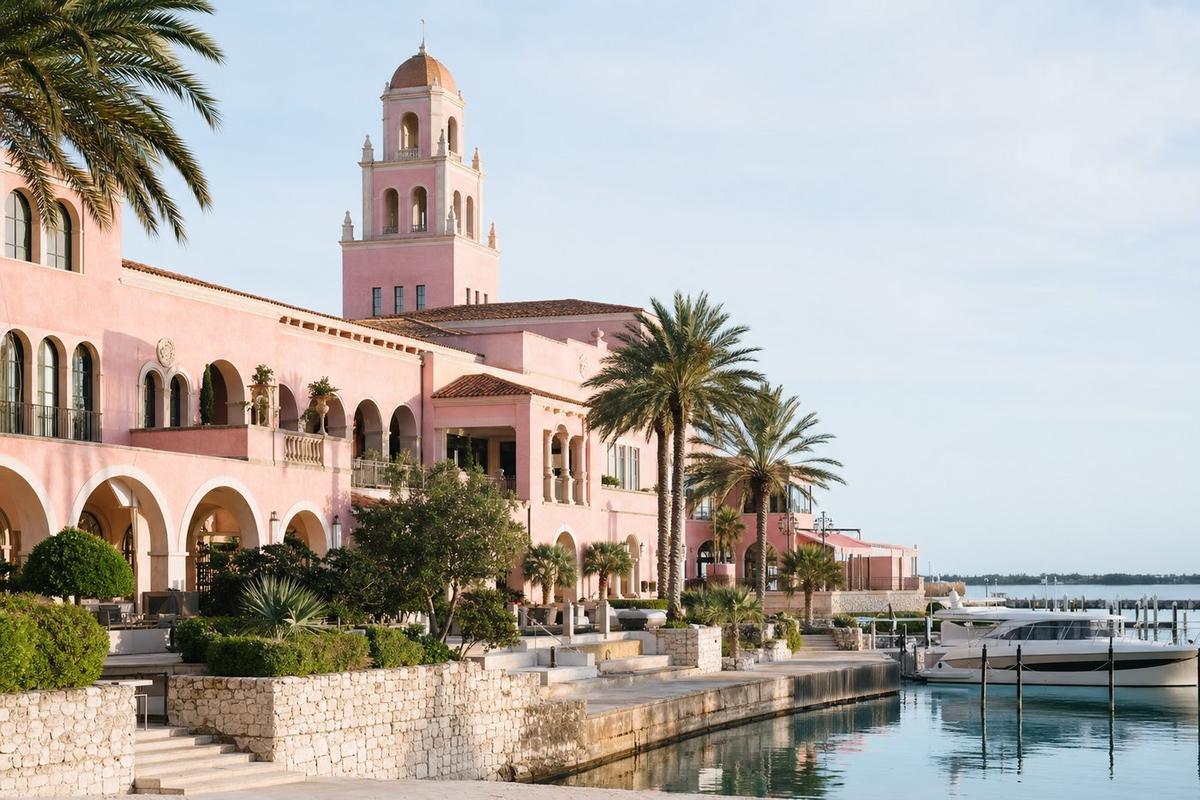
Resorts and campuses
Multiple towers, amenity zones and a perimeter that has to hold without feeling gated. We have delivered this work at properties including The Boca Raton.
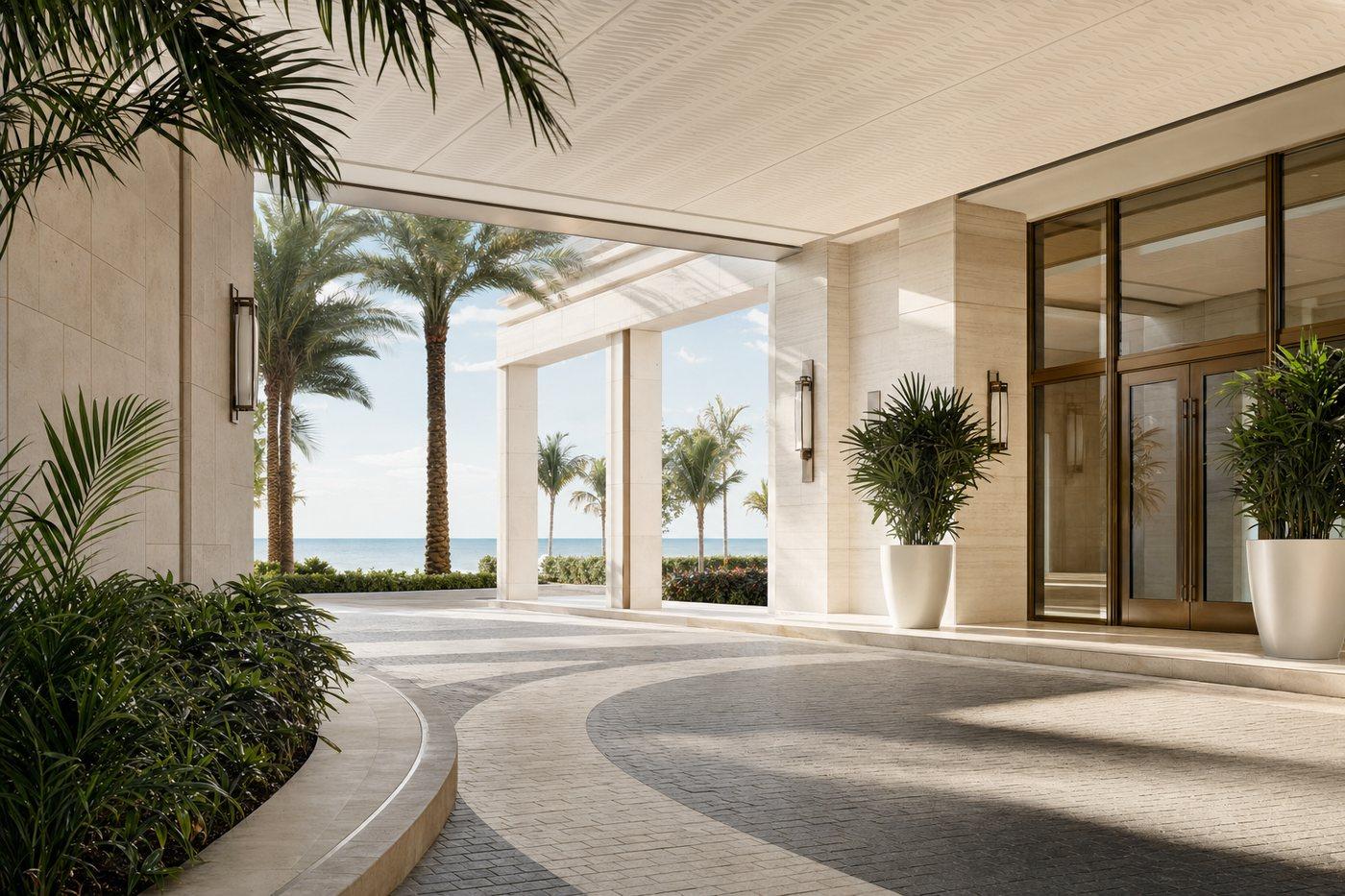
Fortress Global Technology designs and installs integrated security systems for hotels, resorts and hospitality properties nationwide. We help operators protect guests, staff and assets without compromising the welcoming environment your brand depends on.
Multiple towers, amenity zones and a perimeter that has to hold without feeling gated. We have delivered this work at properties including The Boca Raton.
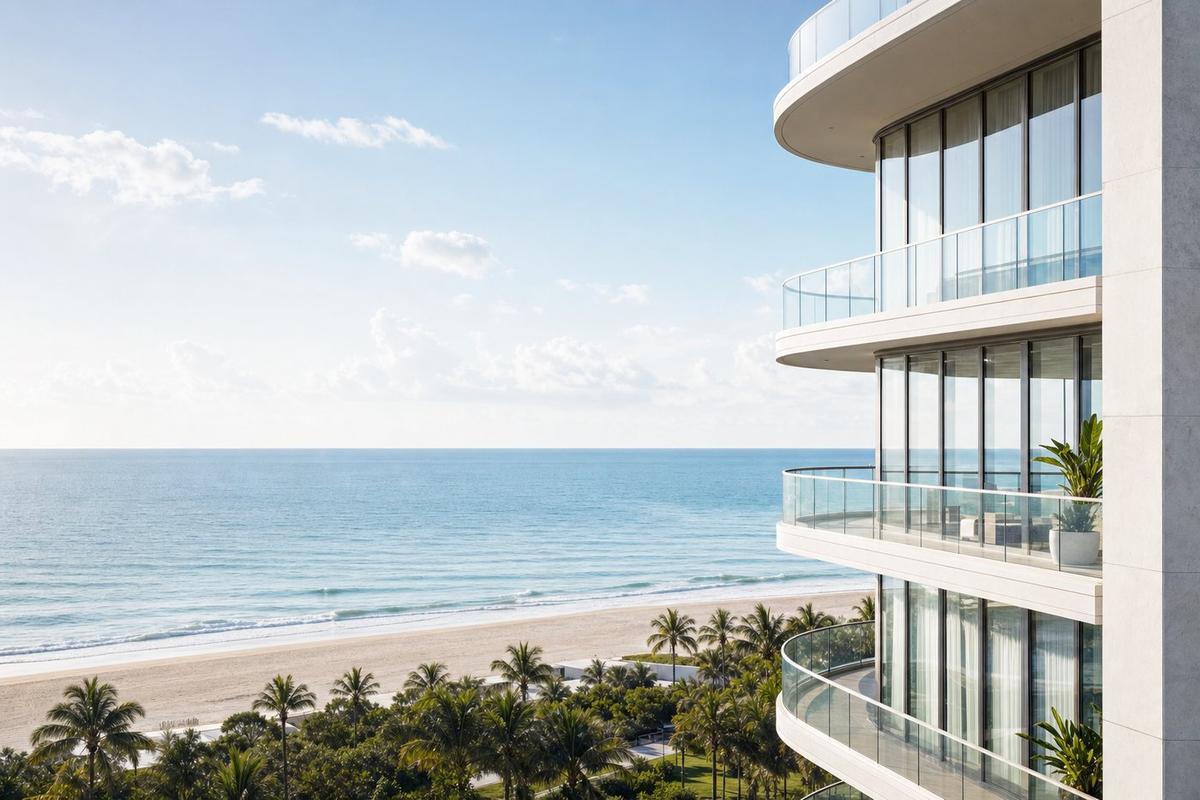
Tighter footprints, higher density and no room for disruption. Scoped to the building and the operating team, as at The Conrad Hotel in Fort Lauderdale.
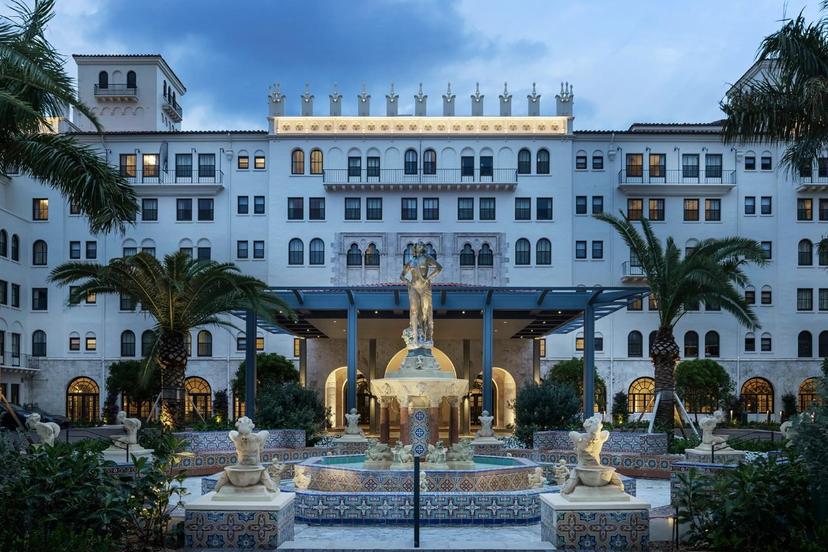
Hospitality security demands a balance that few industries face: robust protection for guests, staff and property alongside an environment that feels comfortable and inviting. These are the core challenges we address.
Traditional key cards are easily shared, copied or lost, creating gaps in room security. We implement access control that lets property managers issue, modify and revoke credentials remotely and in real time. Whether a guest checks out early or a key card is reported missing, access can be adjusted immediately from a central platform.
Front desk cash drawers, hotel safes, back-of-house storage and service corridors are frequent targets for internal theft. We install access-controlled entry points and targeted surveillance in these areas, creating both a deterrent and a documented record for any incident review or insurance claim.
Pools, fitness centers, parking structures and outdoor common areas are large, open and staffed inconsistently. We position cameras for maximum coverage with minimal blind spots, integrating feeds into a unified video management platform so security personnel can watch all areas from a single interface.
Hotels routinely bring in third-party vendors, maintenance crews and delivery personnel. Without a structured access protocol, any of them can move through the property unchecked. We implement time-restricted, role-based credentials so vendors only access the areas they need, during the windows they are authorized, with a full audit trail retained.
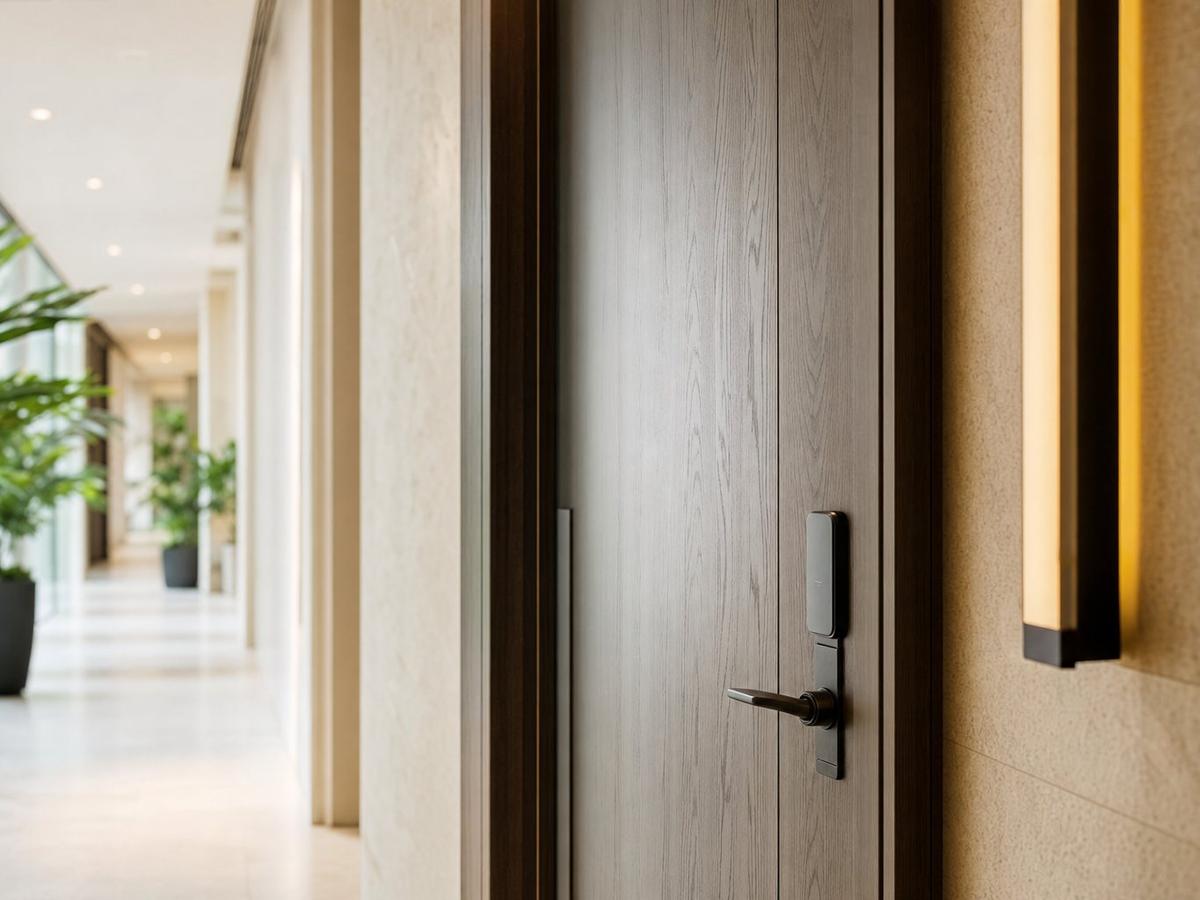
Cloud-based access control from Brivo and Verkada, supporting mobile credentials, key cards and PIN entry for guest rooms, service corridors and restricted back-of-house areas.
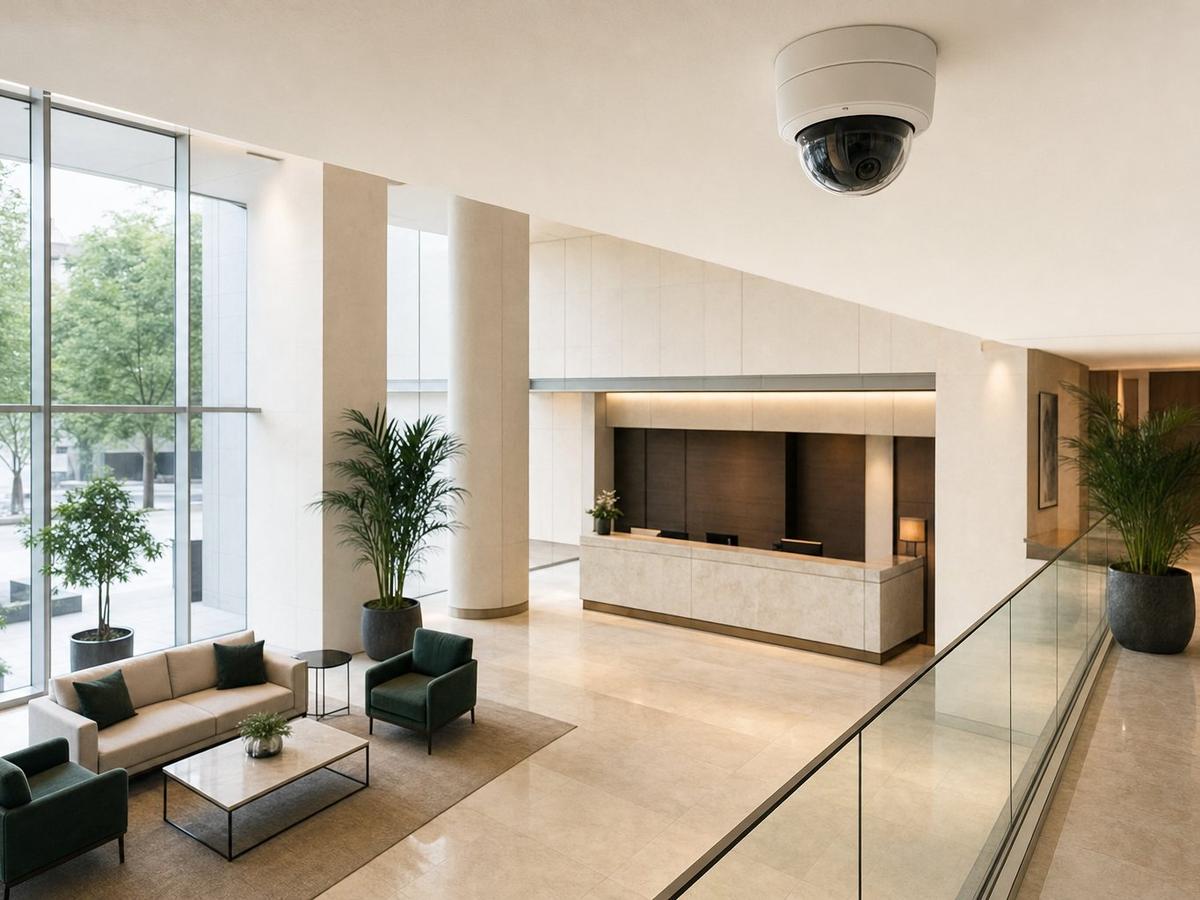
High-definition IP cameras from Hanwha, Axis and Verkada positioned throughout lobbies, corridors, elevators and common areas with centralized video management via Milestone or Verkada's cloud platform.
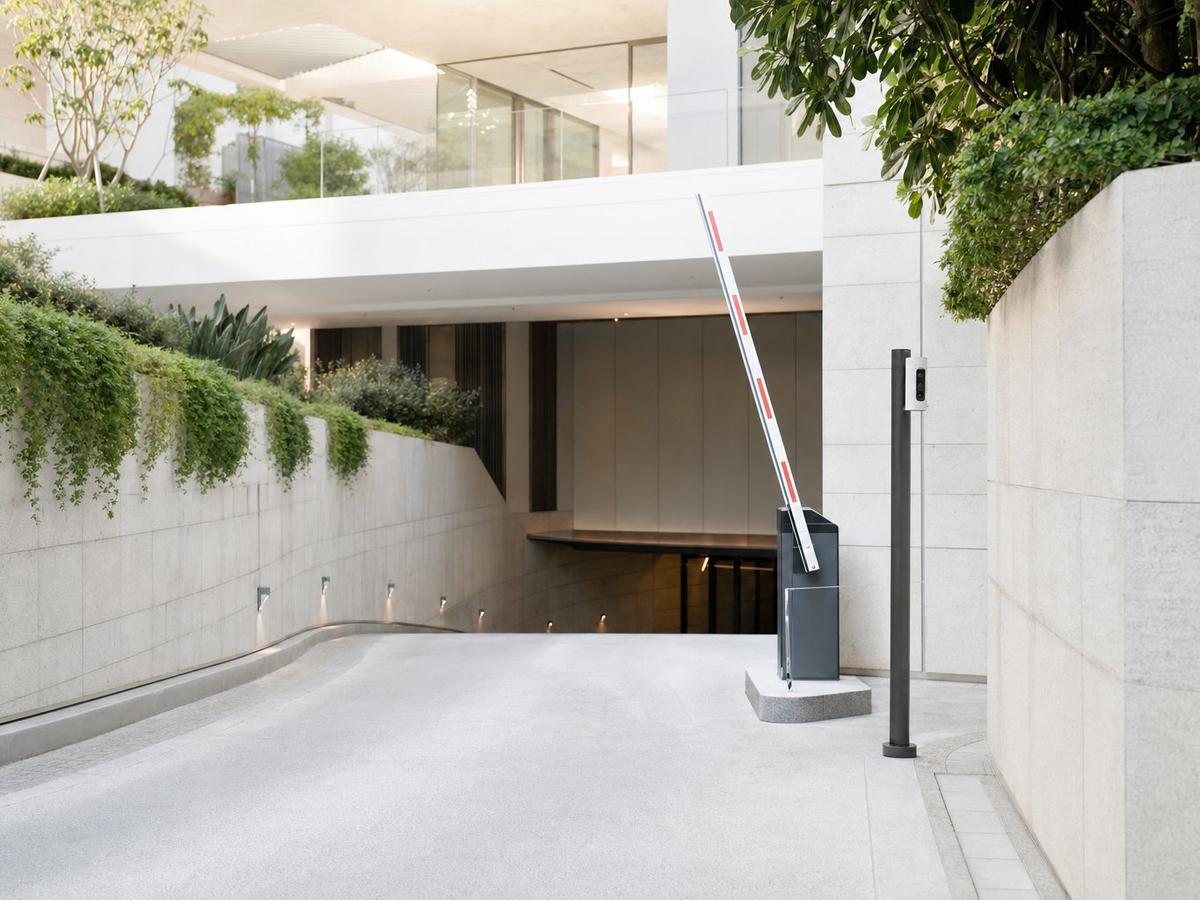
Plate recognition cameras at parking structure entrances and valet lanes to log vehicle activity, support loss prevention and provide documentation for any vehicle-related incidents.
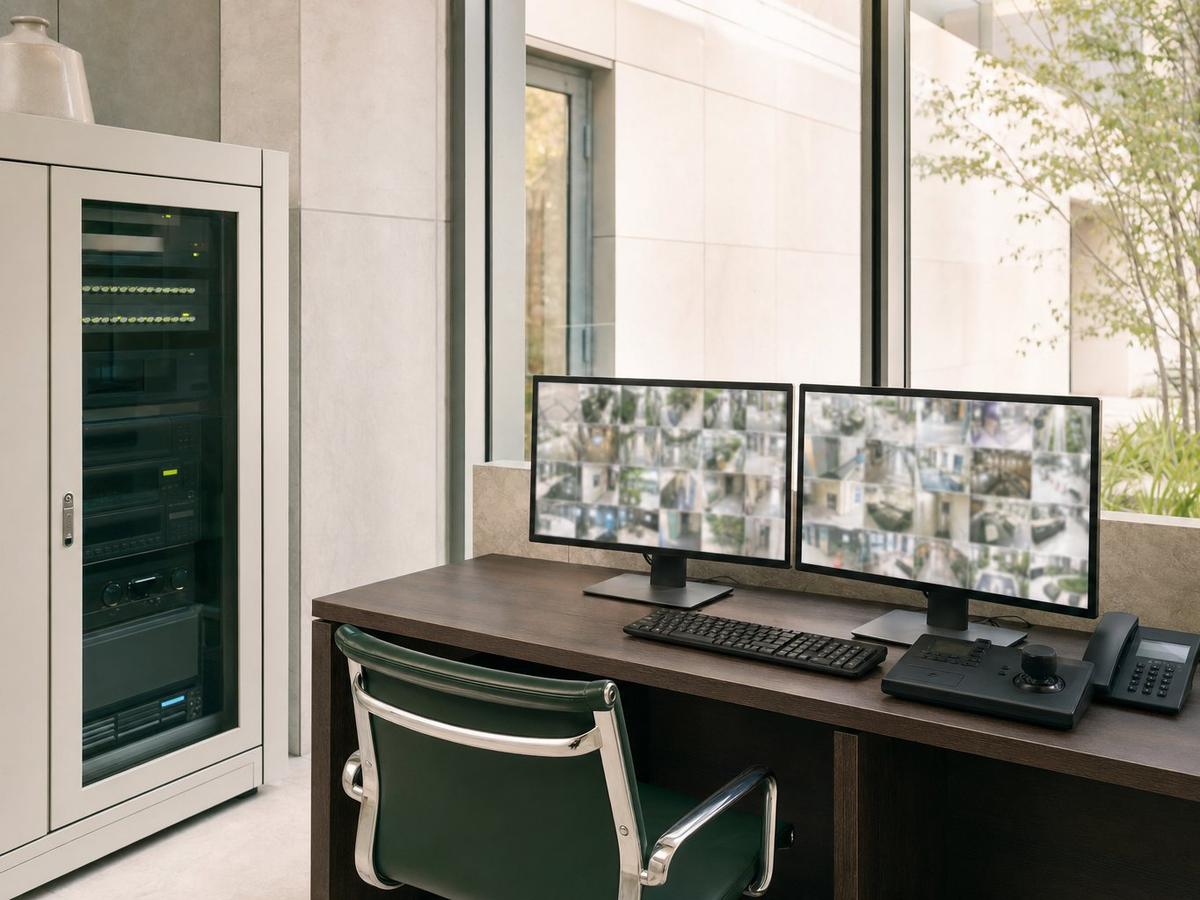
Unified platforms that consolidate camera feeds from multiple buildings or towers into a single dashboard, accessible by authorized staff on or off property.
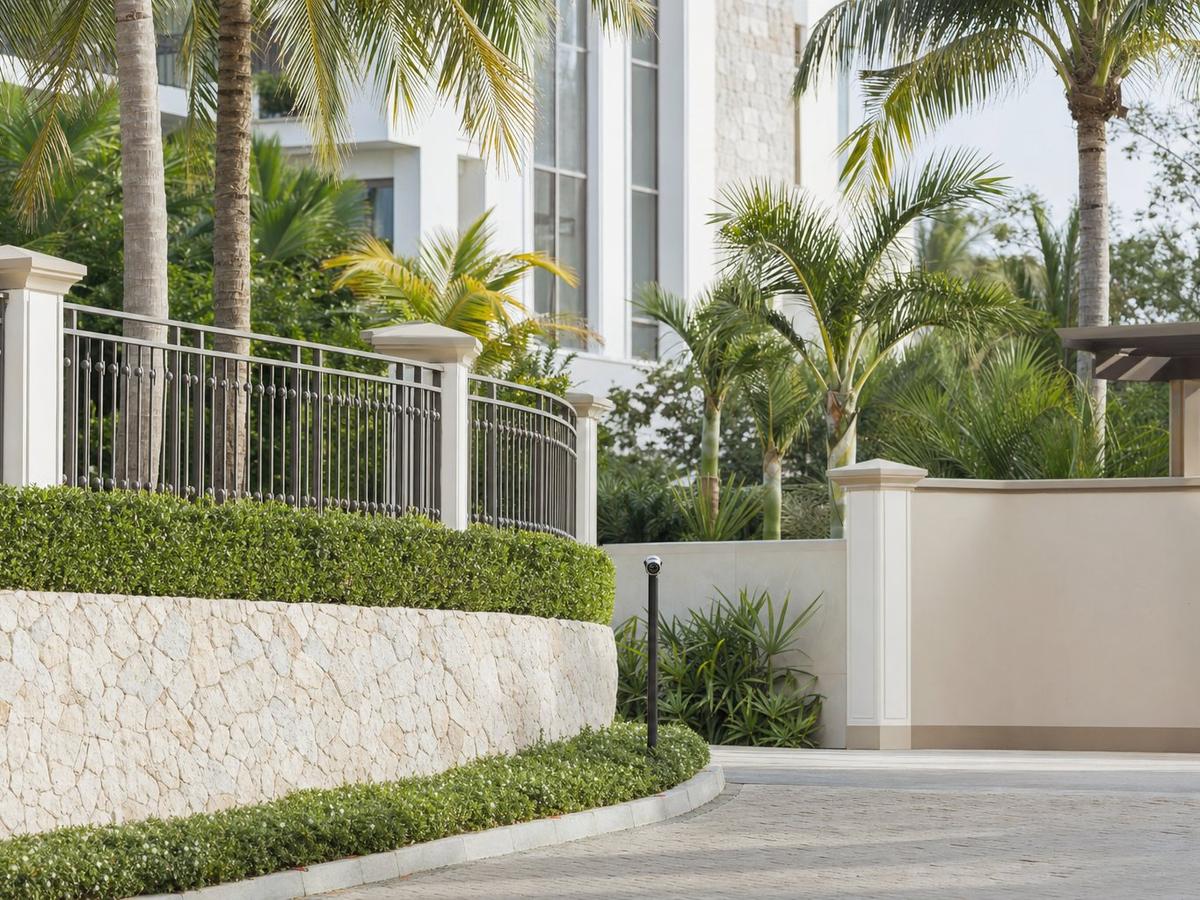
Fence line cameras, gate access control via LiftMaster and perimeter intrusion detection for larger resort campuses, ensuring coverage from the property boundary inward.
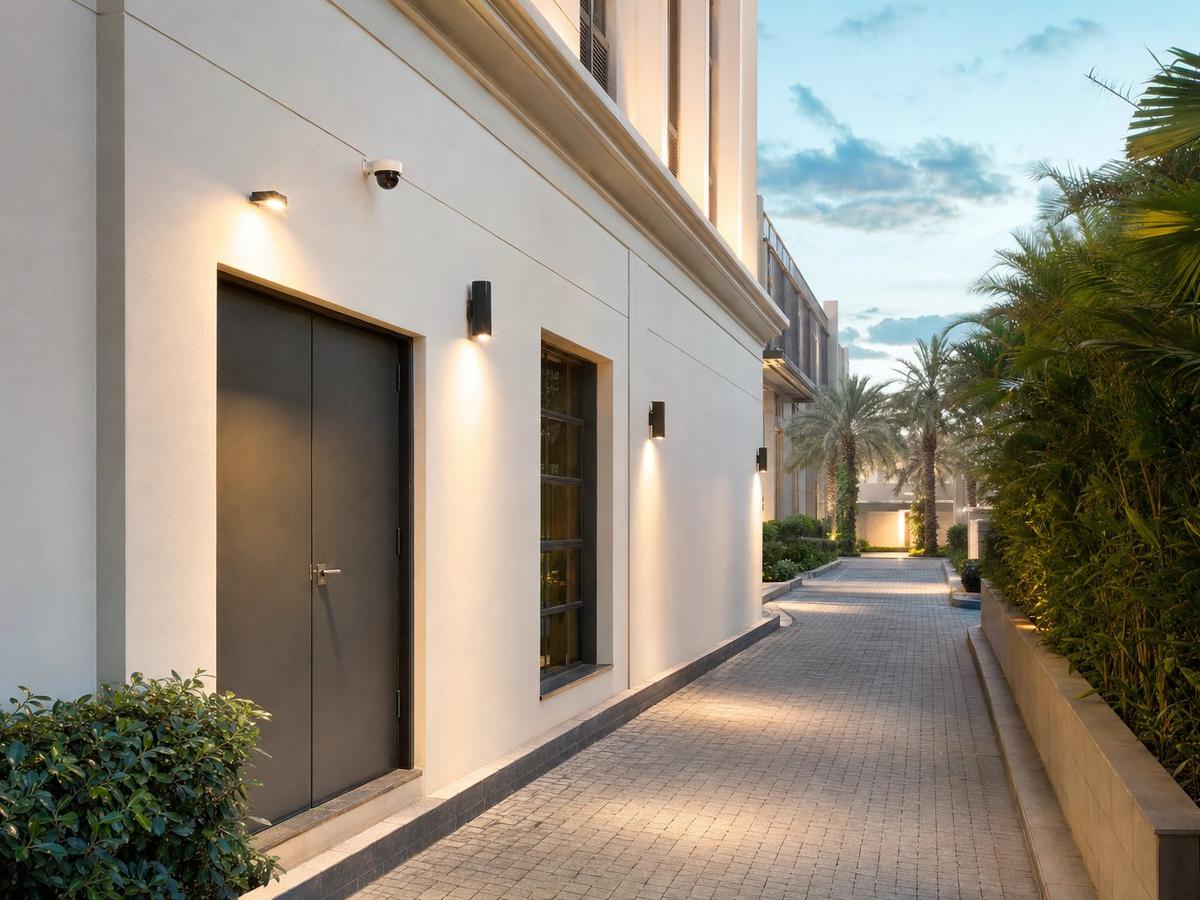
Live and recorded video access for off-site security personnel or management teams, with alert-based notifications for motion events in high-priority zones during low-staffing hours.
Years partnering with The Boca Raton
Completed installations across the U.S.
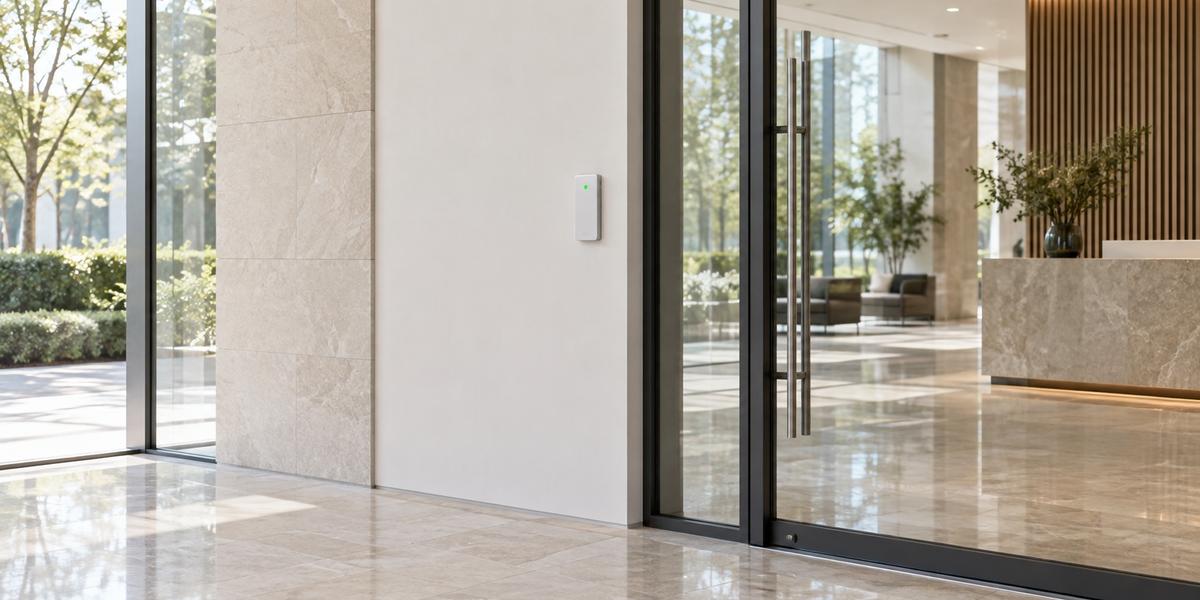
Role-based, time-restricted credentials for guests, staff and vendors, managed remotely.
View page
Valet and garage lanes logged automatically, with documentation for every vehicle incident.
View page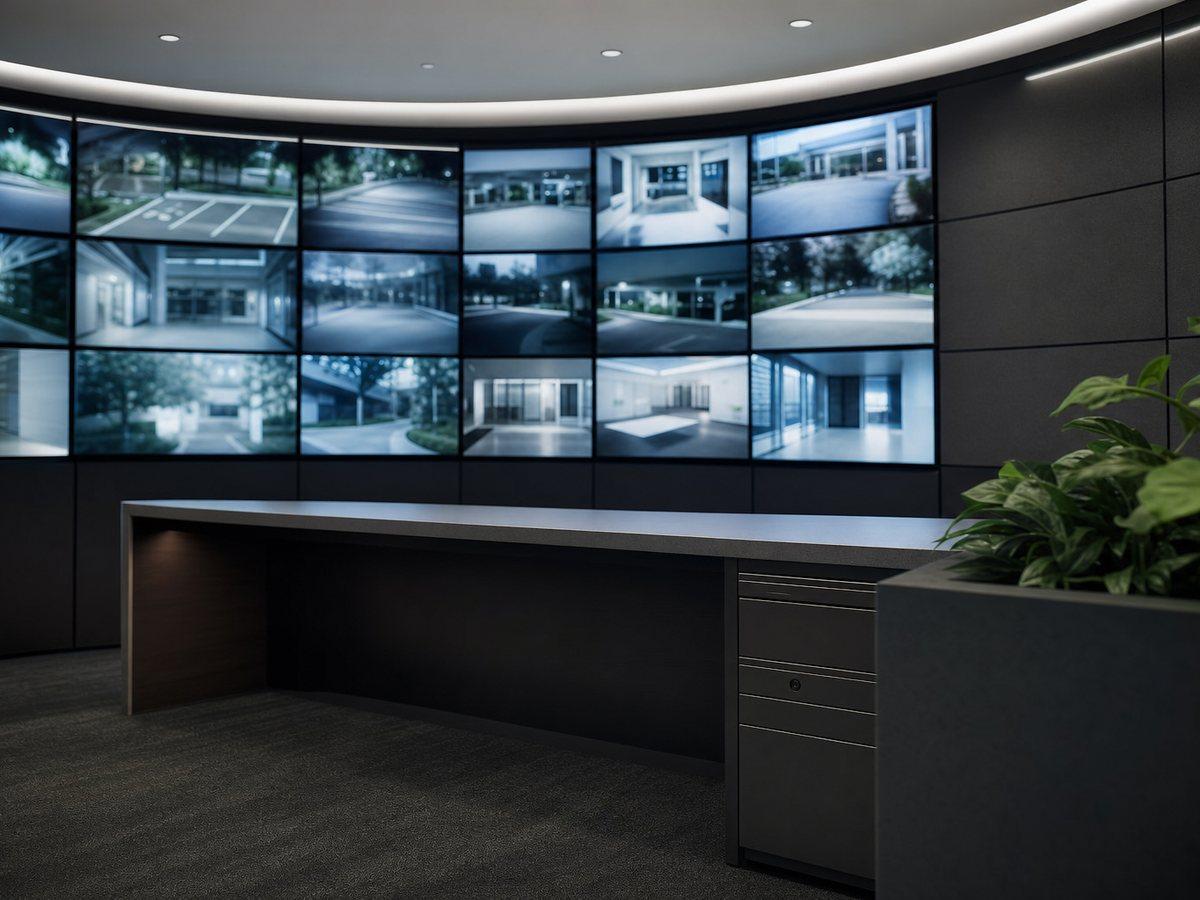
Overnight oversight for the hours when your on-property staffing is lightest.
View pageWhat hotel operators and asset managers ask before an installation starts.
Ask us directlyThe right system depends on the size of the property, the number of access points and how credentials are managed for both guests and staff. Cloud-based platforms allow hotel managers to issue and revoke credentials remotely without being on-site. Staff credentials can be role-based, so a housekeeping employee only accesses the floors and service areas relevant to their assignment. Guest room access can be managed through key cards or, in newer installations, mobile credentials through an app-based system.
For back-of-house and restricted areas like the cash office, safe room or main electrical room, we typically layer in PIN plus credential requirements for added protection. All access events are logged with time stamps, creating an audit trail that is invaluable when investigating incidents. Fortress GT handles the full installation as a licensed electrical contractor, including all low voltage wiring, hardware mounting and system configuration.
Amenity security is one of the most nuanced challenges in hospitality because the areas need to feel open and welcoming while still being controlled. For pools, fitness centers and clubhouse-style amenity spaces, we typically combine access-controlled entry points with discreetly placed surveillance cameras. Access control at amenity entrances can use key cards, fobs or mobile credentials already issued to guests, so there is no separate check-in process required.
Camera placement follows careful planning to ensure coverage of entry and exit points along with perimeter areas, without positioning cameras in ways that feel intrusive. For outdoor pool areas we use weatherproof cameras rated for the environment and position them to cover the deck, gate entries and any access corridors leading to the pool. The result is a protected space where guests feel comfortable rather than surveilled, and staff have the oversight they need to respond quickly.
Yes, and this is one of the core advantages of the video management systems we install. These platforms are designed for multi-site and multi-building deployments. All camera feeds from different buildings, towers or even separate properties can be consolidated into a single dashboard that authorized users access from any device with an internet connection.
For an operator managing a campus with a main tower, conference wing, parking structure and pool building, a single security operator can monitor all locations simultaneously without switching between separate systems. Access control events are visible within the same platform, so if a door alarm triggers at a service entrance, the security team can immediately pull up the camera feed for that location. We also support role-based access for the management platform itself, so general managers, security staff and corporate oversight each have appropriately scoped views.
We address this through time-restricted and zone-restricted credentials within the access control system. When a contractor is scheduled to work on a specific floor or in a specific mechanical room, we can issue a credential that is only valid during the window of their scheduled work and only grants access to the doors they need. Once the work period ends, the credential automatically expires, so there is no need to physically collect a key or card afterward.
All access events are logged, so there is a complete record of when the contractor entered, which doors they accessed and when they left. For recurring vendors like HVAC maintenance or elevator service companies, credentials can be set on recurring schedules rather than requiring manual reissue each visit. This reduces the administrative burden on hotel staff while maintaining tight control over who is on the property.
In hotel lobbies, camera placement focuses on the main entrance and exit points, the front desk area, elevator lobbies and any corridors connecting the lobby to service areas or parking access. Wide-angle fisheye cameras work well for capturing full coverage of a large open lobby, while PTZ cameras allow security staff to zoom in on specific activity when needed. The goal is to capture clear facial imagery at entry and exit points without making arriving guests feel interrogated.
In parking structures, we focus on entry and exit lanes for license plate recognition, stairwell and elevator lobbies within the structure, and coverage of the parking levels themselves. In multi-story structures we prioritize coverage at the transitions between levels, at pedestrian access points and along the main driving lanes. All feeds connect back to the central video management platform, where footage is retained according to the hotel's defined retention policy.
Yes. While Fortress GT specializes in larger commercial and multi-property installations, we work with hospitality properties of varying scales, from full-service resorts with multiple buildings to boutique hotels with a single building and smaller access control needs. The core technology is scalable by design.
A boutique hotel with 40 rooms and a small lobby might have a deployment of 8 to 12 cameras and a handful of access-controlled doors, while a resort campus might require hundreds of cameras across multiple buildings and a more complex network to support them. In both cases the platform and the approach are the same: integrated access control and video surveillance managed from a unified interface, installed by a licensed electrical contractor with full permitting and inspections handled. We size the solution to the property, the operational team and the budget.
Retention is determined by a combination of storage capacity, local compliance requirements and the hotel's own operational policies. Most hospitality operators retain footage for a minimum of 30 days, with higher-traffic and higher-liability areas often retained for 60 to 90 days. We design storage infrastructure to match the retention requirement based on camera count, resolution settings and recording schedule.
Cloud-based systems like Verkada store footage on the camera itself and in the cloud simultaneously, providing redundancy without requiring on-site server infrastructure. For larger deployments, on-premise NVR or server-based storage is typically implemented, sized to the camera count and retention window. We document the retention configuration as part of every installation and can adjust it over time if your compliance requirements change.
Contact us to schedule a site assessment. We will evaluate your property, identify coverage gaps and recommend an integrated security solution built around how your operation actually runs.