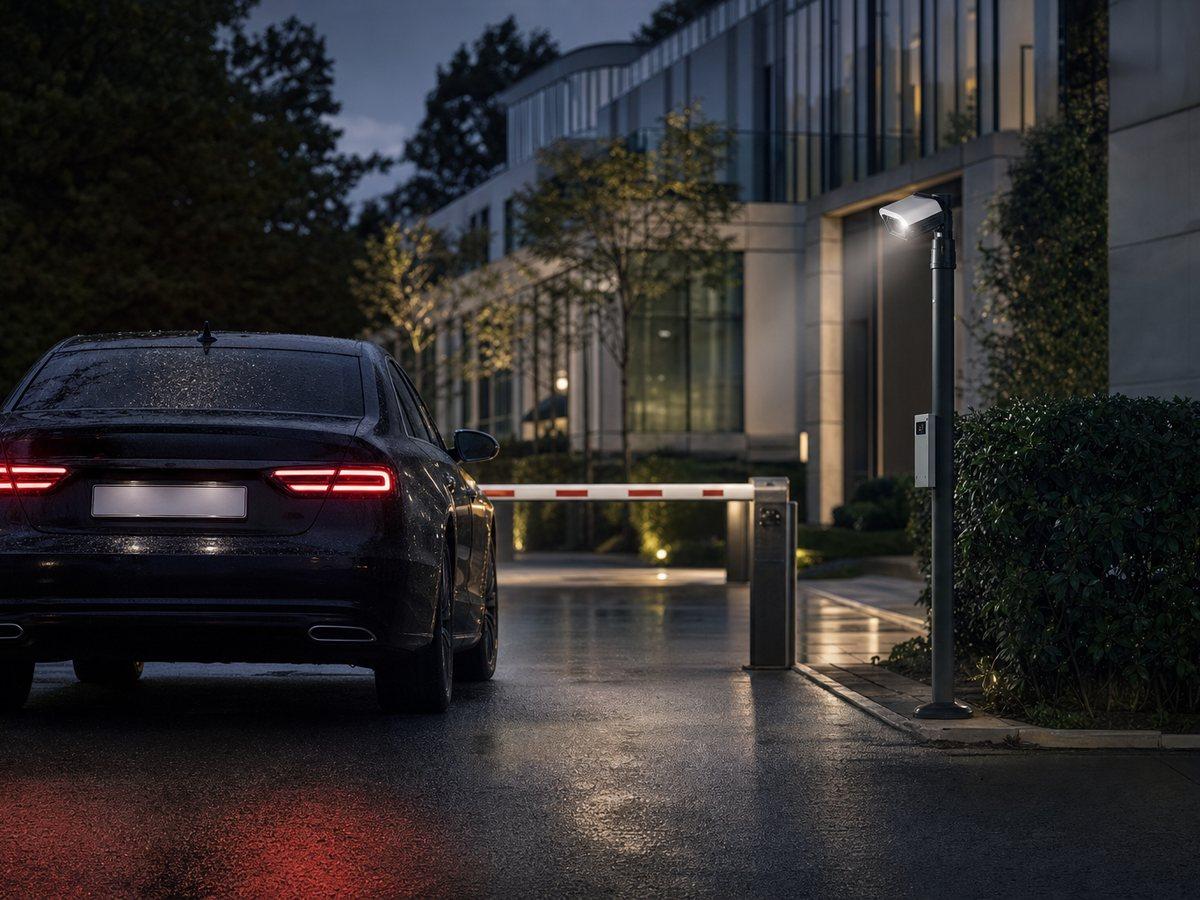
Plate recognition camera at a gate lane
  1. Home
  2. Solutions
  3. License Plate Recognition

License Plate Recognition Systems for Commercial and Residential Properties

Fortress Global Technology designs and installs automated license plate recognition systems that give commercial properties and residential communities frictionless vehicle access, complete audit trails, and scalable parking management without the cost and complexity of key cards, fobs, or attendants.

Licensed LPR system installation by Fortress Global Technology

License plate recognition, commonly called LPR or ALPR (automated license plate recognition), uses high-resolution cameras and optical character recognition software to read vehicle plates in real time, compare them to a defined database, and trigger gate, barrier, or alert actions based on the result. The technology has matured to the point where commercial-grade LPR cameras routinely exceed 98% read accuracy in properly configured installations, operating reliably in rain, low light, glare, and high vehicle throughput conditions.

Fortress Global Technology is a licensed electrical contractor with 20 years of experience deploying access control and security technology nationwide. We integrate native LPR and LPR-capable camera systems with gate automation hardware, cloud databases, and property management platforms. Our team handles site assessment, camera positioning, gate controller integration, plate database setup, and staff training on every project we deliver.

Commercial office property

Commercial properties

Office parks, distribution centers, retail developments, and mixed-use properties use LPR to control employee and vendor access, log delivery vehicle activity, manage parking enforcement, and generate timestamped vehicle audit trails without staffing a gatehouse.
Luxury residential community entrance with landscaped grounds

Community associations and residential

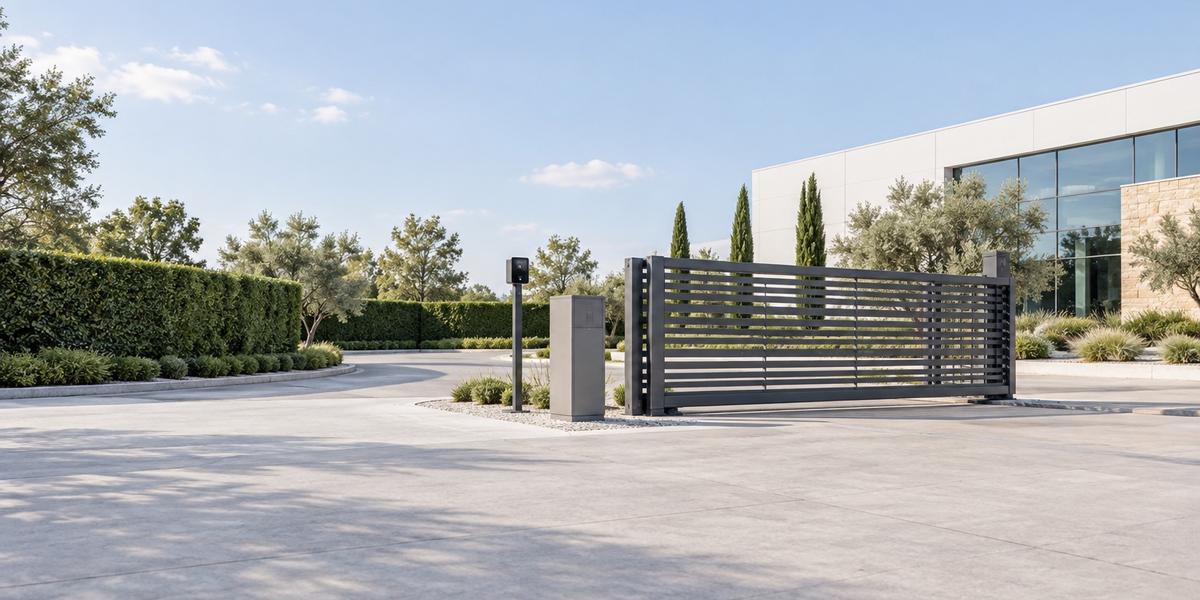
Gated communities, HOAs, condominium associations, and luxury residential developments use LPR to provide seamless entry for residents, automate visitor vehicle logging, enforce parking rules in common areas, and eliminate the operational burden of managing physical credentials.

LPR system types and service capabilities

Fortress Global deploys the full range of license plate recognition capabilities, from single-gate resident access to multi-site vehicle intelligence platforms.

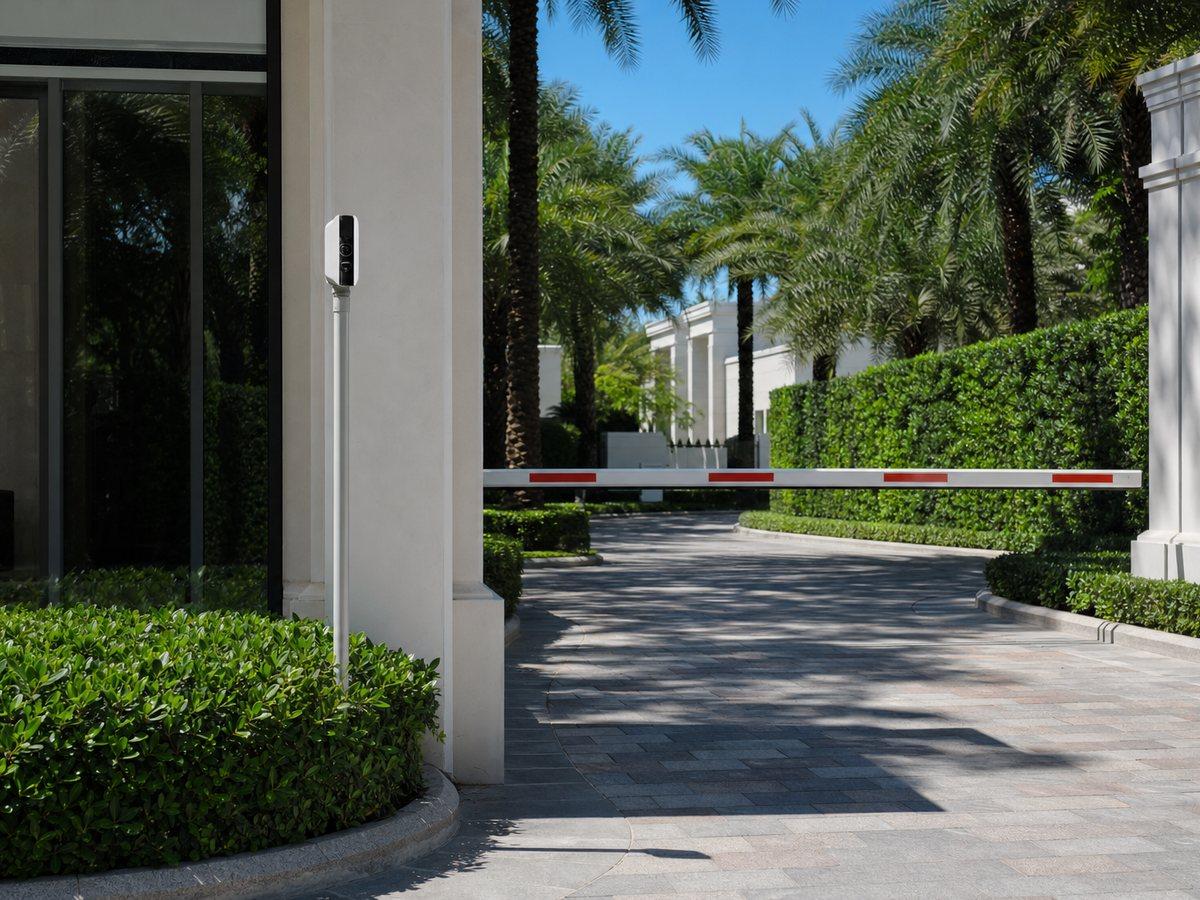
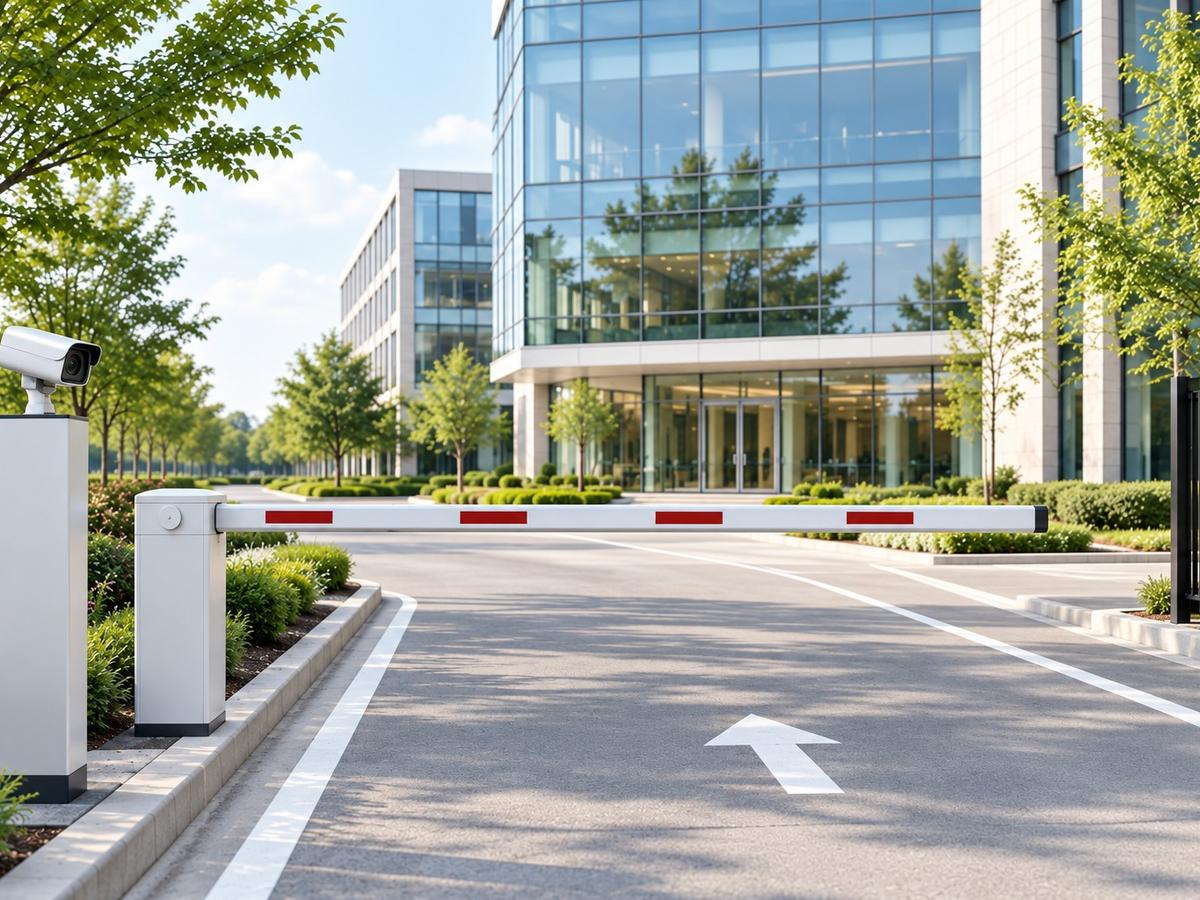
Office park entry lane with a lowered barrier arm and a plate recognition camera on a pedestal

Gate access via license plate

  • Frictionless entry for whitelisted resident and employee vehicles
  • Instant gate or barrier trigger on plate match
  • No fobs, cards, or apps required for authorized users
  • Real-time whitelist sync across all entry points
  • Override and manual release capability for security staff
  • Integration with gate operators
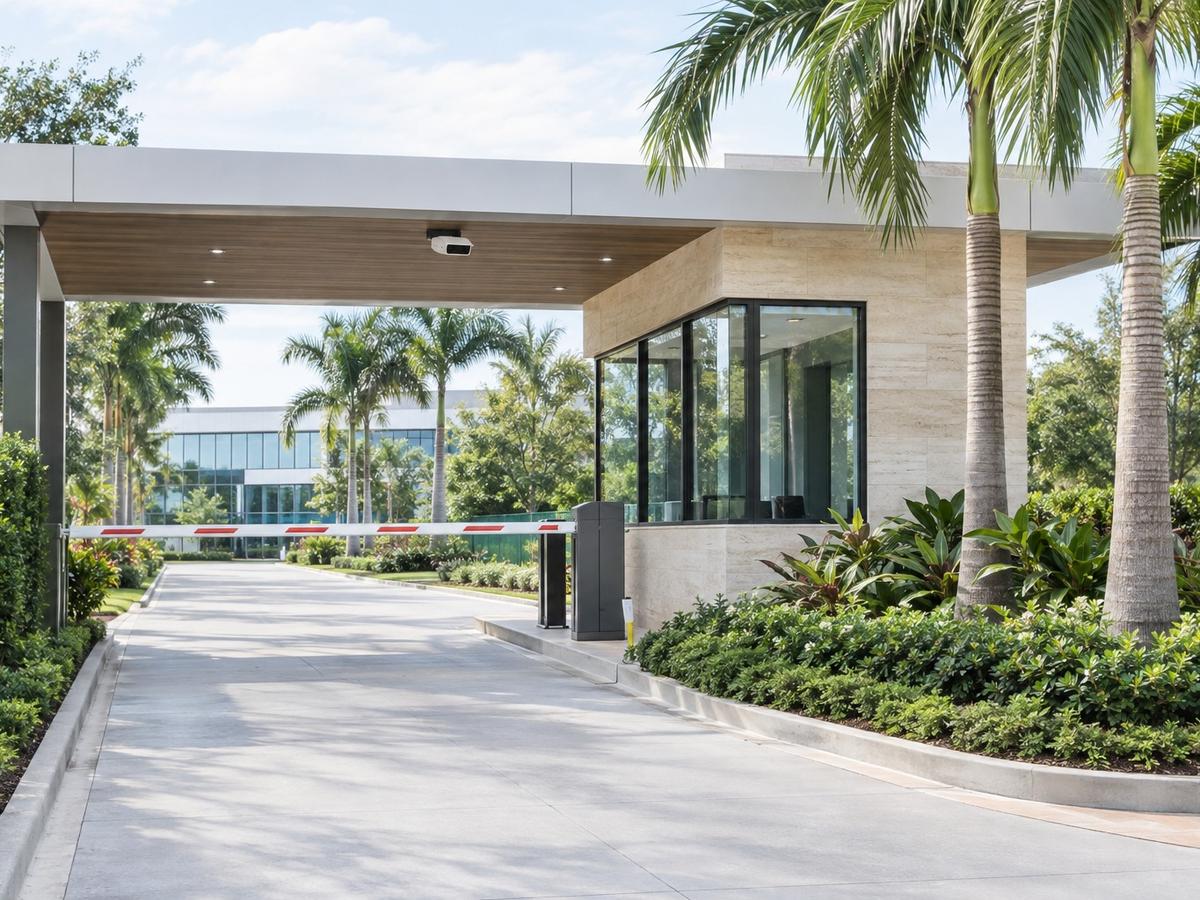
Commercial gatehouse lane with a license plate camera under the canopy

Visitor and delivery logging

  • Automatic plate capture and timestamp on every entry
  • Visitor pre-registration with one-time plate authorization
  • Delivery vehicle and vendor activity logs
  • Alert on unrecognized plates at controlled entry points
  • Photo evidence capture for every vehicle event
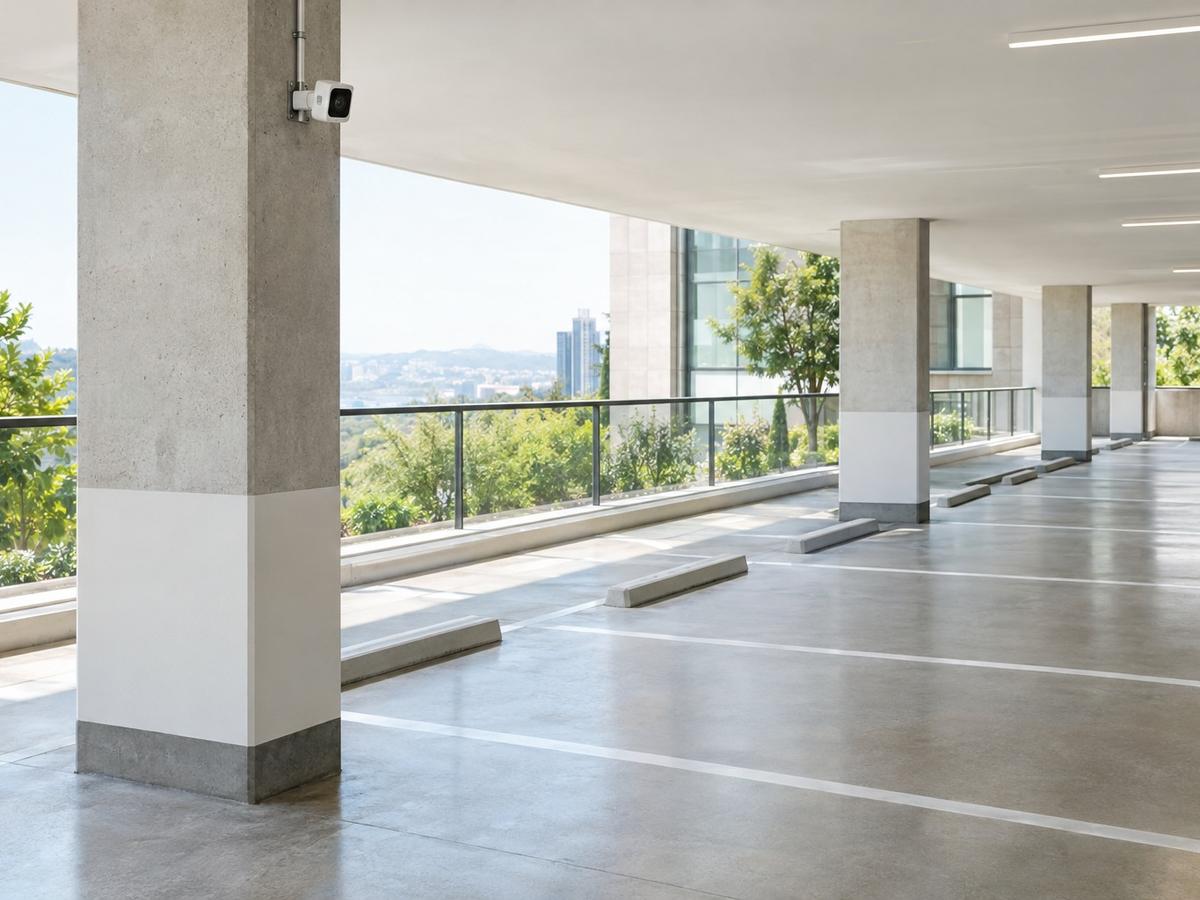
Residential parking garage row with a license plate camera on a column

Parking enforcement

  • Identify unauthorized vehicles in resident or permit zones
  • Dwell-time alerts for spaces with time limits
  • Automatic flagging of repeat violators
  • Generate tow authorization documentation with timestamped images
  • Integration with parking management platforms where applicable
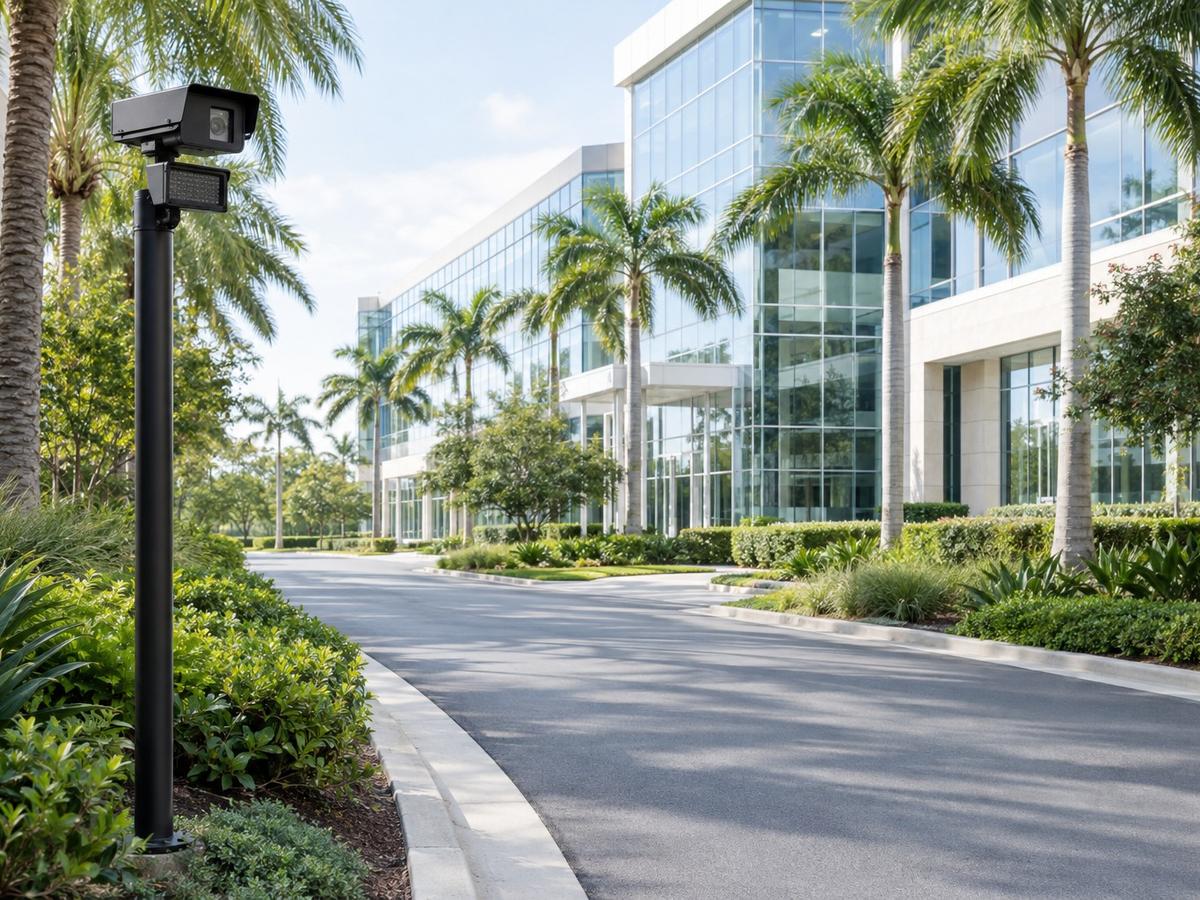
Corporate campus access road with a speed-rated license plate camera on a pole

Speed detection

  • Speed-rated LPR cameras for traffic monitoring
  • Capture plate, speed, and image in a single event record
  • Alert on vehicles exceeding posted speed thresholds
  • Traffic calming documentation for board or management review
Laptop showing a grid of vehicle images on a property management office desk

Cloud plate database management

  • Web-based whitelist and blacklist management
  • Bulk import and export of authorized plate lists
  • Role-based access for property managers and security staff
  • Automatic database sync to all cameras and access points
  • Expiration-based authorization for temporary access
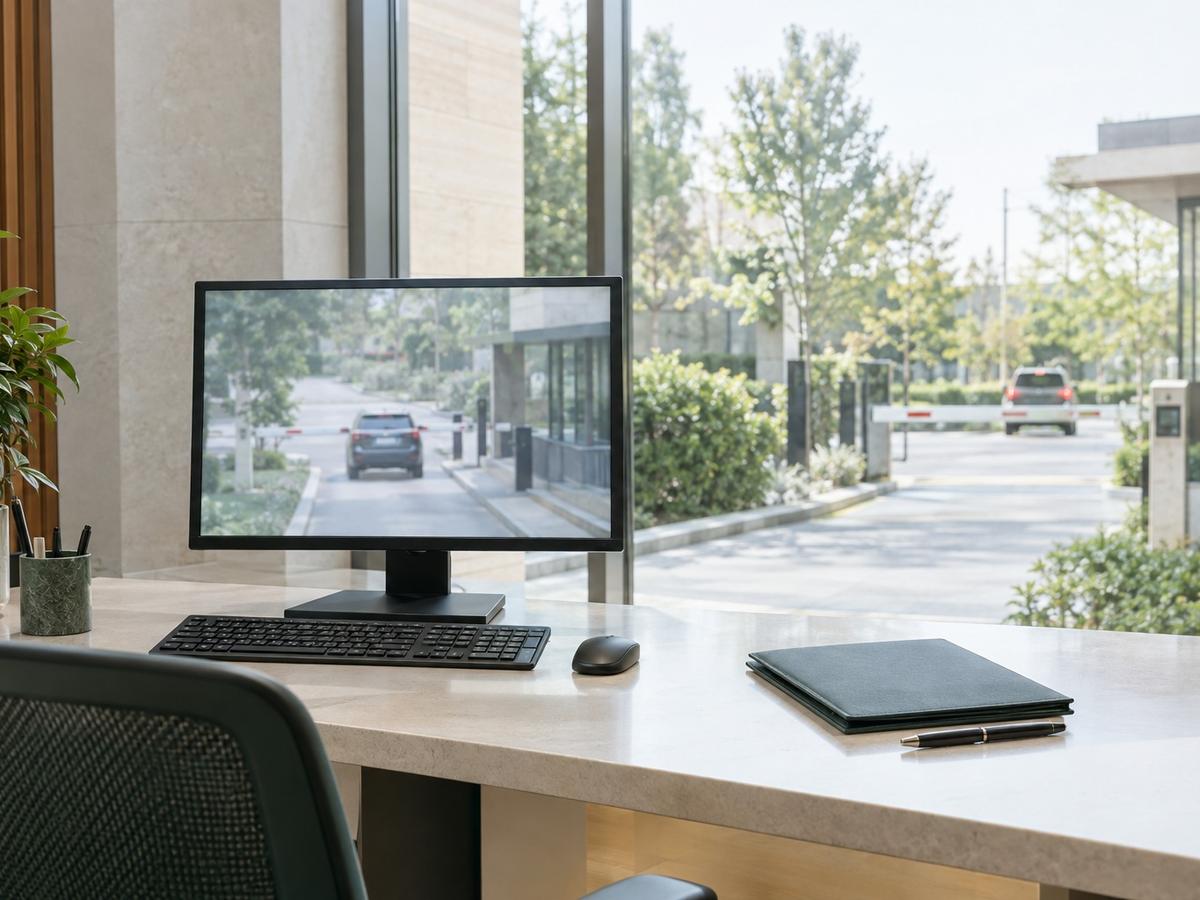
Security office monitor showing a vehicle entering a gate lane

Evidence documentation

  • Evidence-quality plate and vehicle images stored per event
  • Exportable incident reports with full chain of custody
  • Long-term retention for insurance and legal proceedings
  • Searchable event history by plate number, date, and entry point
  • Integration with video management systems for full context

Why choose Fortress Global for license plate recognition

  • Licensed electrical contractor, fully insured
  • LiftMaster-certified gate automation integration
  • Scales from single gate to multi-site enterprise deployments
  • Cloud database management with no server to maintain
  • Full audit trail on every vehicle entry and exit
  • Ongoing support and system management available
20+

Years in the industry

500+

Completed installations across the U.S.

License plate recognition frequently asked questions

A license plate recognition system combines specialized cameras, image processing software, and a vehicle database to automate gate access and vehicle logging. When a vehicle approaches a camera-equipped entry point, the camera captures a high-resolution image of the front or rear license plate. Optical character recognition software reads the plate characters in real time and compares the result against a database of authorized plates.

If the plate appears on the whitelist, the system sends a signal to the gate controller, barrier arm, or door to grant access, typically within one to two seconds of the vehicle arriving at the read zone. If the plate is not on the authorized list, the system can deny access and simultaneously log the event with a timestamped image. Every entry and exit event, whether authorized or not, is recorded with plate data, timestamp, camera location, and captured image, creating a complete and searchable vehicle activity log.

Yes, and for most properties it provides a meaningfully better experience for both residents and management. Key cards and fobs require residents to handle a physical credential, create ongoing replacement and reprogramming costs when credentials are lost or a resident moves out, and introduce security gaps when credentials are not returned or are shared with unauthorized individuals. A license plate recognition system uses the vehicle itself as the credential.

Authorized plates are added to the database when a resident moves in and removed when they leave, with no physical hardware to track, replace, or deactivate. Residents experience true hands-free entry: they pull up to the gate and it opens. For properties that still want a secondary credential option for walk-in pedestrian access or temporary situations, LPR integrates cleanly alongside intercom, keypad, and card reader systems. Fortress Global can design a hybrid access architecture that serves every use case your property requires.

Commercial-grade LPR cameras deployed with proper positioning and configuration consistently achieve read accuracy rates above 98% in real-world conditions. Accuracy depends on several factors that Fortress Global addresses during site design: camera height and angle relative to the plate, distance from the read zone to the camera sensor, lighting conditions including direct sun, glare, and nighttime illumination, vehicle speed through the read zone, and plate condition.

Fortress Global conducts a site assessment on every project to determine optimal camera mounting positions, select the appropriate lens and sensor configuration, and specify any supplemental lighting needed to maintain reliable reads after dark. Accuracy shortfalls are almost always a function of installation quality, not camera technology.

When a vehicle presents a plate that does not match an authorized entry in the database, the configured access rule determines the response. For most gated community and commercial applications, the gate remains closed and the event is logged with a full timestamped image of the plate and vehicle. Depending on your configuration, security staff or a property manager can receive an immediate alert via SMS, email, or push notification.

Many properties pair LPR with a video intercom at the same entry point, so unrecognized vehicles can request access by calling a resident or contacting a management office. An authorized user can then remotely grant a one-time entry, and the system logs that decision with the operator identity. Blacklisted plates, such as those belonging to previously trespassed individuals, can trigger an escalated alert to security staff rather than a standard access-denied log, giving your team the ability to respond in real time to known threats.

Yes. Commercial LPR cameras are specifically engineered for 24-hour operation in challenging environmental conditions. LPR cameras can incorporate infrared illuminators that activate automatically in low light, providing consistent plate illumination without bright visible light that would be disruptive to residents. Infrared illumination also eliminates the glare and washout problems that affect standard visible-light cameras when reading reflective license plates.

For rain and humidity, both platforms use sealed, weatherproof housings rated for outdoor installation. Fortress Global selects and positions cameras specifically to maintain reliable performance year-round. For entry lanes with significant ambient light variation, such as covered parking garage entrances, we specify camera models with wide dynamic range sensors that handle simultaneous bright and dark areas in a single frame.

Standard LPR deployments are designed for controlled entry lanes where vehicles slow to a stop or near-stop, typically below 10 mph. For applications requiring plate capture at higher vehicle speeds, such as parking deck throughways, private roads, or traffic monitoring, Fortress Global specifies speed-rated LPR cameras with faster shutter speeds and higher-resolution sensors designed to capture clean plate images at speeds up to 100 mph or more depending on the model.

These speed-capable configurations are used primarily for traffic monitoring, evidence documentation, and alert-based flagging rather than gate automation, since high-speed vehicle entry at a barrier presents operational and safety challenges regardless of camera capability. If your property has a specific high-speed capture requirement, Fortress Global will assess the approach geometry, determine appropriate camera models, and design the system around your actual throughput needs.

Pricing varies based on the number of entry and exit lanes, the gate automation hardware required, the camera models selected, and whether you need cloud database management, on-site server infrastructure, or integration with an existing access control platform. A single-gate LPR installation for a residential community with cloud-based plate management is a significantly different project scope than a multi-site commercial campus with 12 entry points, speed detection on internal roads, and integration into an enterprise access control system.

Fortress Global provides detailed, itemized quotes for every project after completing a site assessment, so you understand exactly what is being installed and why. Because we are a licensed electrical contractor with an in-house installation team rather than a reseller relying on subcontractors, our pricing reflects direct labor costs and strong integrator pricing on hardware. Contact us at (754) 345-7507 or use the form below to schedule a no-obligation site assessment.

Install a license plate recognition system on your property

Give authorized vehicles seamless entry and give your security team a complete, searchable record of every vehicle that accesses your property. Fortress Global Technology handles every detail from camera positioning through gate integration and database configuration.

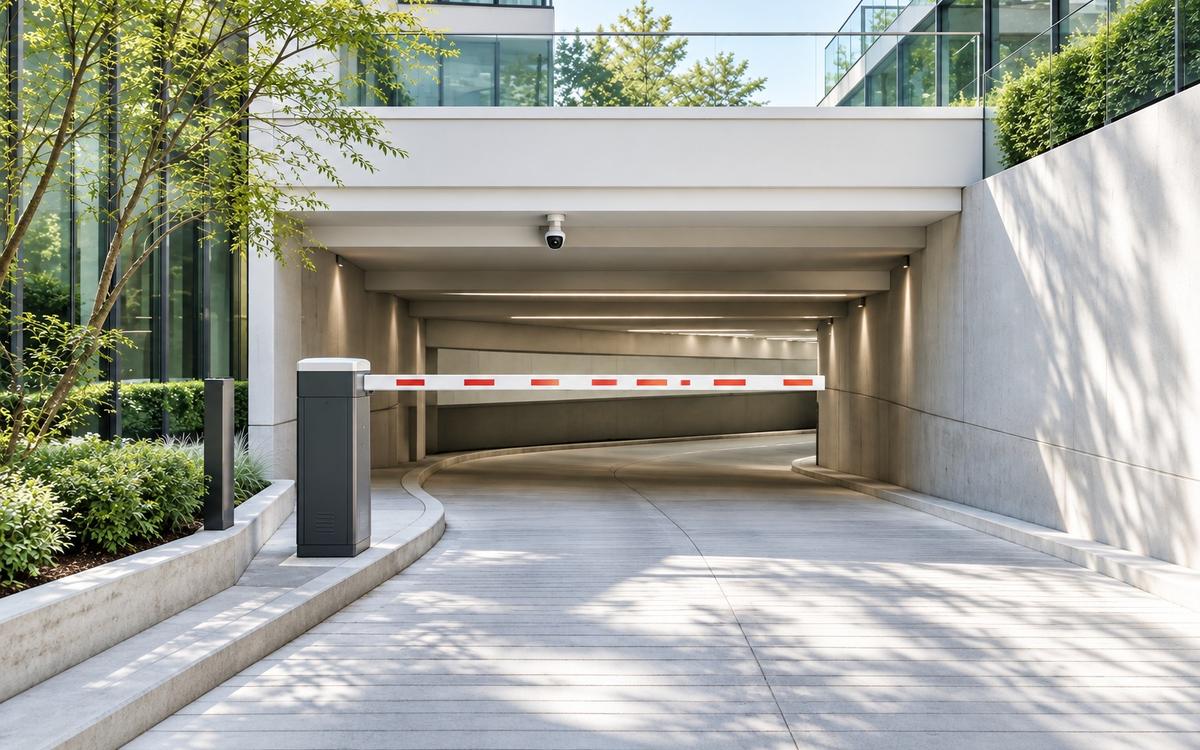
Parking garage entrance ramp with a barrier arm and a camera above the lane