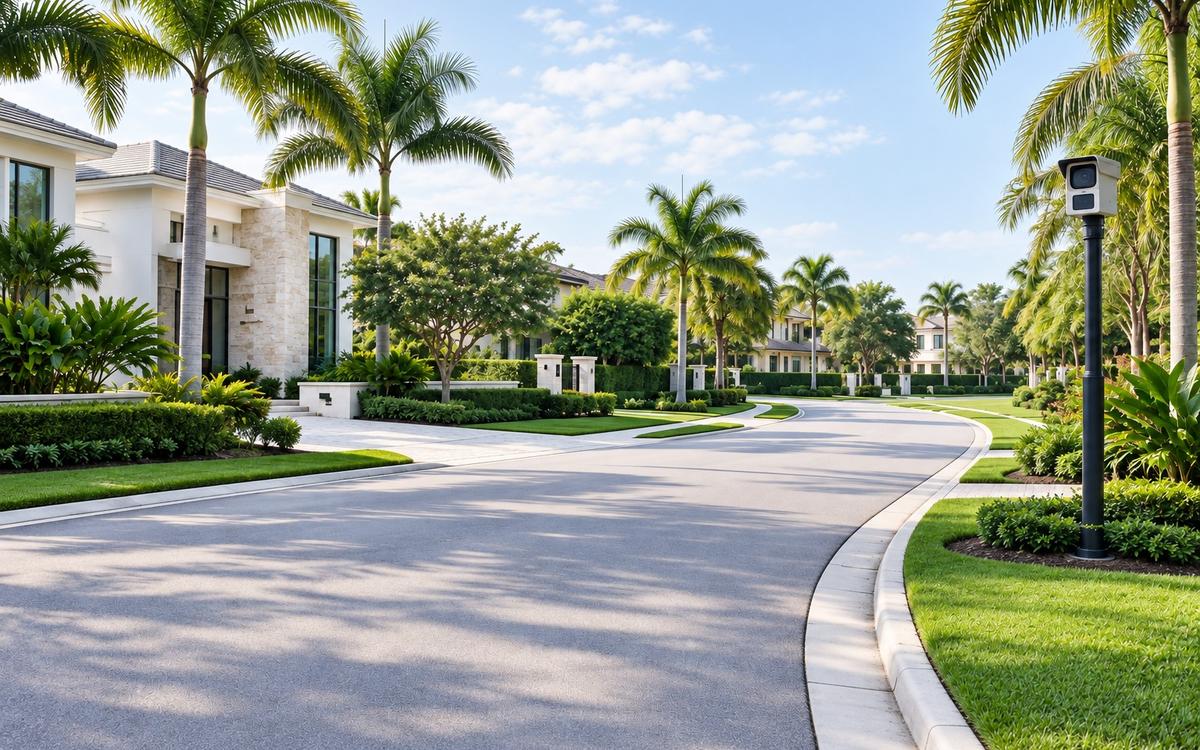
Community entrance with plate recognition camera
  1. Home
  2. Solutions
  3. HOA Traffic Enforcement

HOA Traffic Enforcement and License Plate Recognition Systems

Fortress Global Technology designs and installs automated license plate recognition systems for HOA communities and gated residential developments, replacing manual oversight with accurate, timestamped documentation that eliminates disputes, reduces management burden, and keeps communities safer without ongoing staffing costs.

Licensed LPR installation and gate integration for HOA communities

Managing traffic, parking, and access in a residential community is a constant operational challenge for HOA boards and property management companies. Manual enforcement is time-consuming, inconsistent, and prone to disputes that strain relationships between management and residents. License plate recognition technology solves these problems by automating the documentation process, creating an objective, timestamped record of every vehicle entering and exiting the community, matching plates against registered resident and approved vendor lists, flagging unregistered or non-compliant vehicles, and generating violation reports that board members can access through a cloud portal at any time.

Fortress Global Technology has been installing security and gate automation systems for HOAs and gated communities for over 20 years. We integrate LPR cameras with existing gate operators and access control platforms so that communities can add intelligent traffic enforcement to infrastructure they already have, protecting their investment and minimizing disruption during installation.

Corporate operations team at work

Commercial properties

Office parks, industrial campuses, and gated commercial developments use LPR systems to automate visitor management, log vendor and delivery vehicle access, and enforce parking policies across large properties without additional staffing overhead.

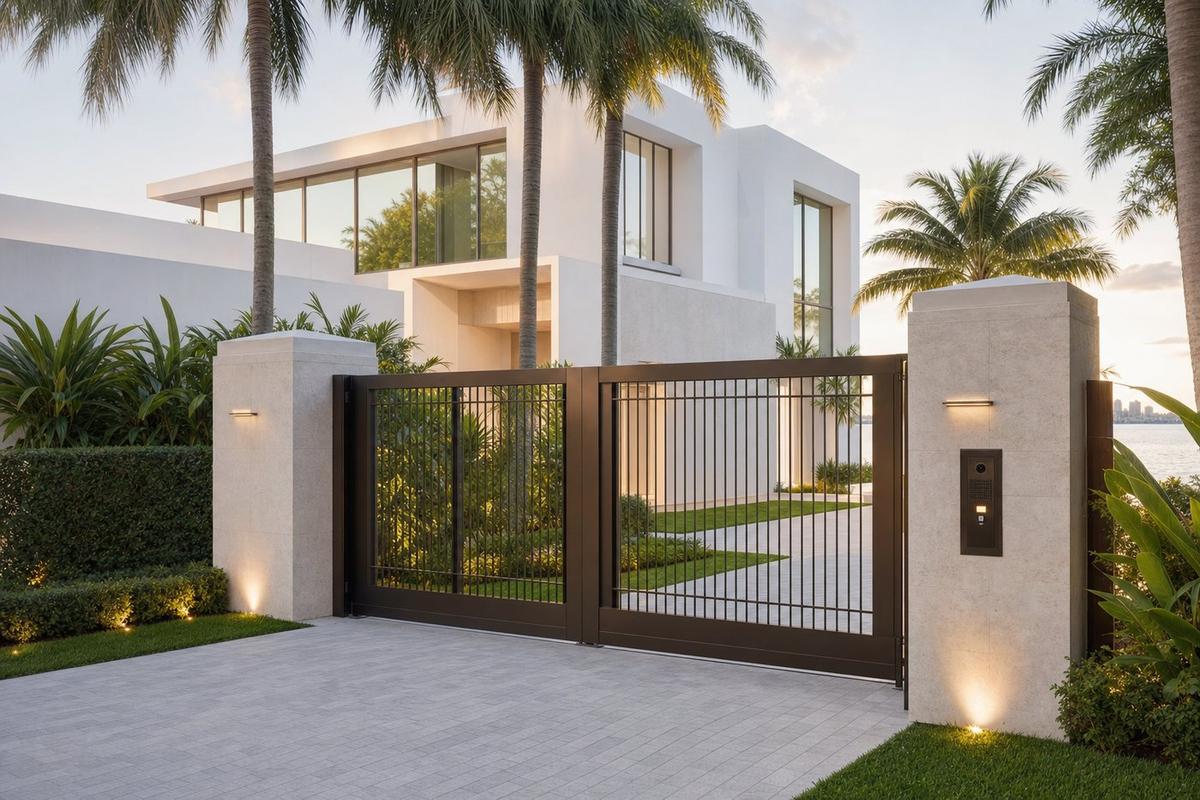
Luxury residential community entrance with landscaped grounds

Community associations and residential

HOAs, condominiums, and gated residential developments use LPR-based traffic enforcement to automate access logging, enforce parking rules consistently, document violations with irrefutable evidence, and give board members real-time visibility into community traffic through a web-based portal.

HOA traffic enforcement system types we install

From entrance cameras to cloud-based violation reporting, Fortress Global delivers a complete LPR enforcement solution designed for residential community operations.

Plate recognition camera on a short post at a gated community entry with a gatehouse and palms

LPR camera installation

High-resolution license plate recognition cameras are installed at all community entry and exit points, parking structure entrances, and any interior lanes where enforcement is required. LPR cameras are calibrated for accurate plate capture at traffic speeds, in low light, and across the range of vehicle heights present in a residential community. Fortress Global handles camera placement, mounting, cabling, and configuration to ensure reliable capture rates from day one.

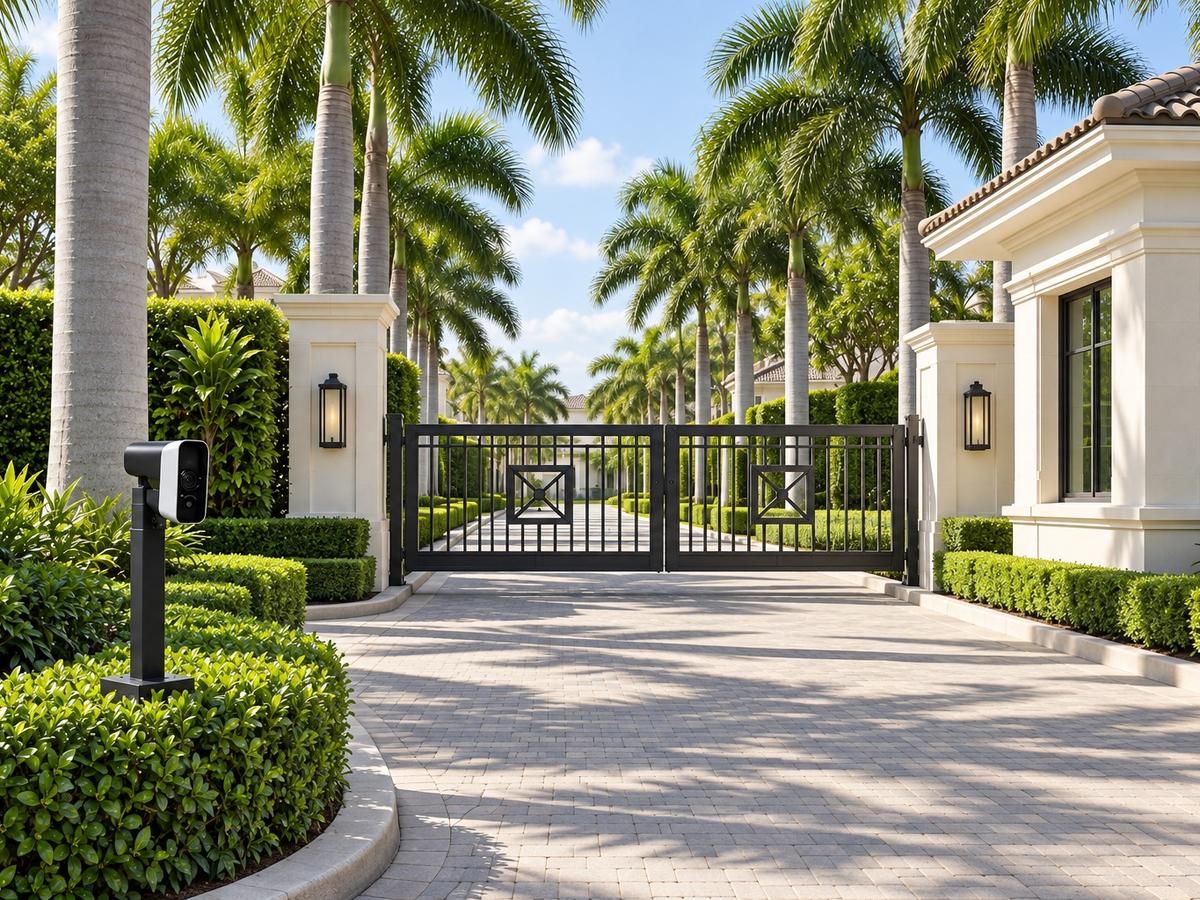
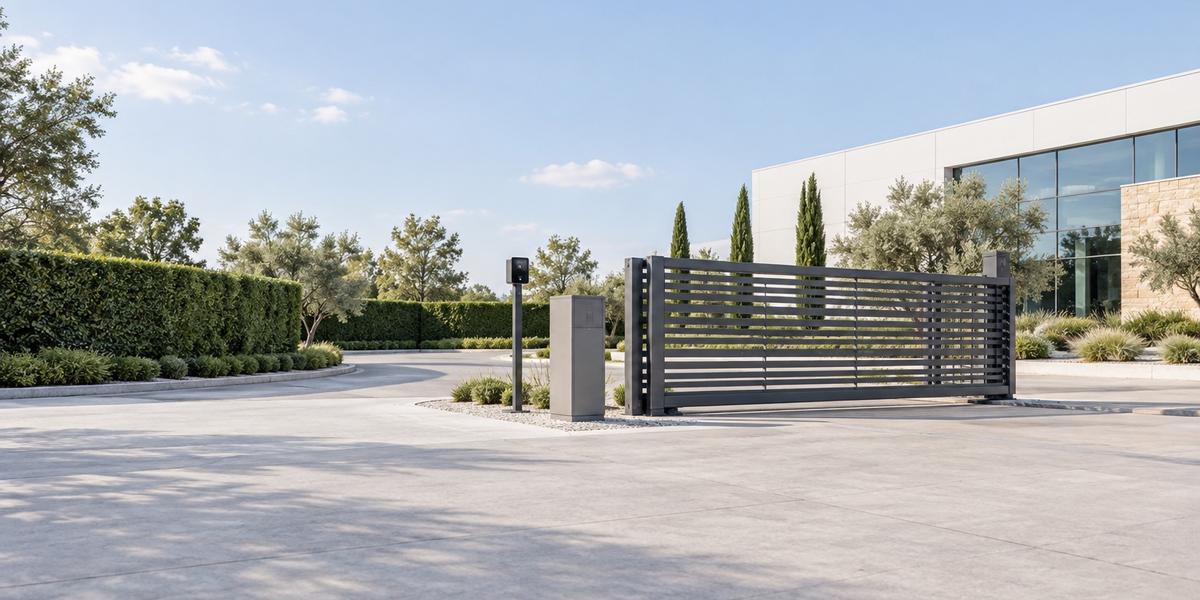
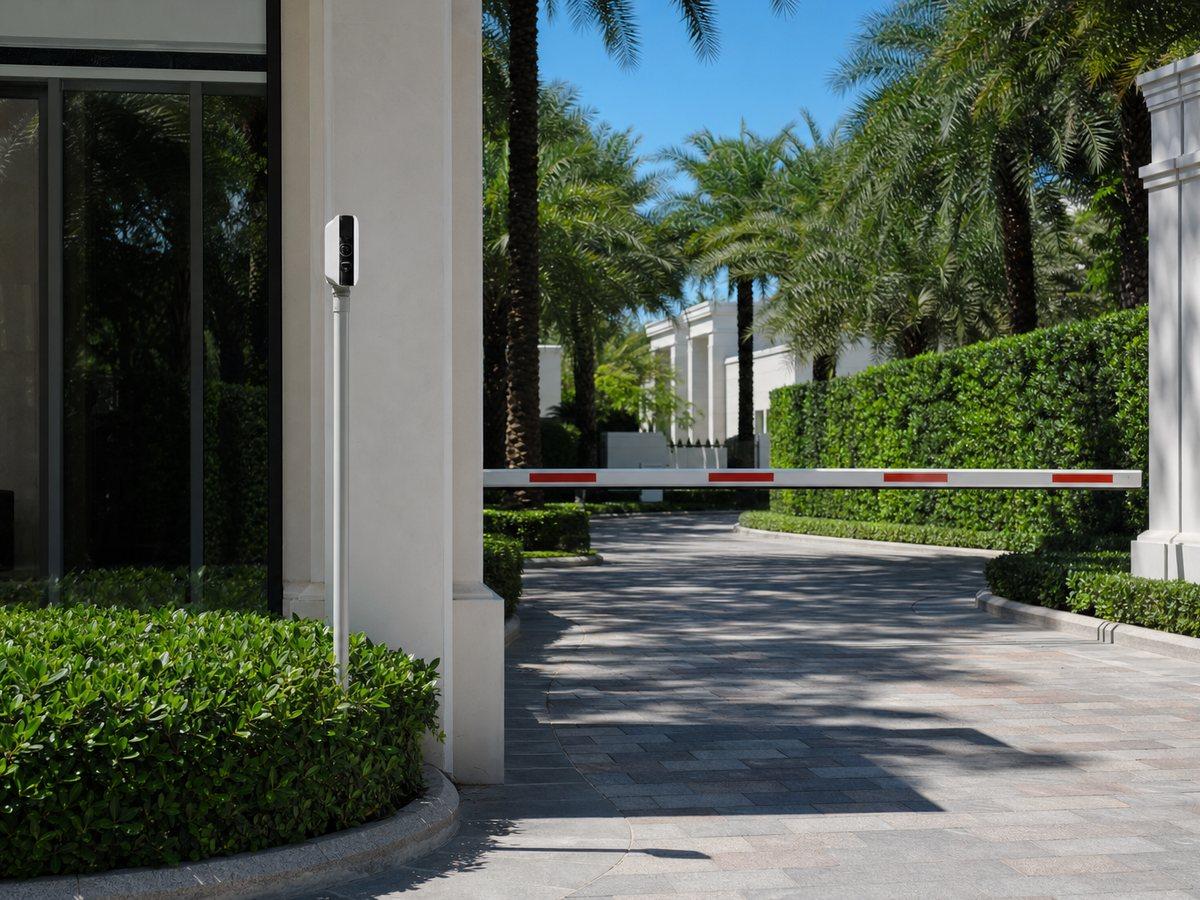
Gated community entry lane with an opening ornamental gate, its operator and a license plate camera

Gate integration

LPR systems integrate directly with gate operators and access control platforms already in place at most gated communities. When a registered resident's plate is read at the entry lane, the gate opens automatically without any action required from the driver. Unregistered plates are logged, and the gate behavior for those vehicles is configured according to the community's access policy, whether that means requiring intercom contact, issuing a visitor pass, or simply documenting the entry. Fortress Global's 20+ years of gate automation experience means integrations are executed cleanly without disrupting existing gate operation.

Laptop on a clubhouse office desk overlooking palms and townhomes

Resident registration system

The resident registration portal allows homeowners and tenants to register their vehicles directly through a self-service web interface. Registered plates are added to the allow list, and multiple vehicles per unit can be accommodated based on community policy. The registration system maintains a current record of all approved vehicles, tracks lease expirations or ownership changes that require plate updates, and gives management a complete, searchable vehicle database. Registration data syncs in real time with LPR cameras at the gate so that newly registered plates are recognized immediately.

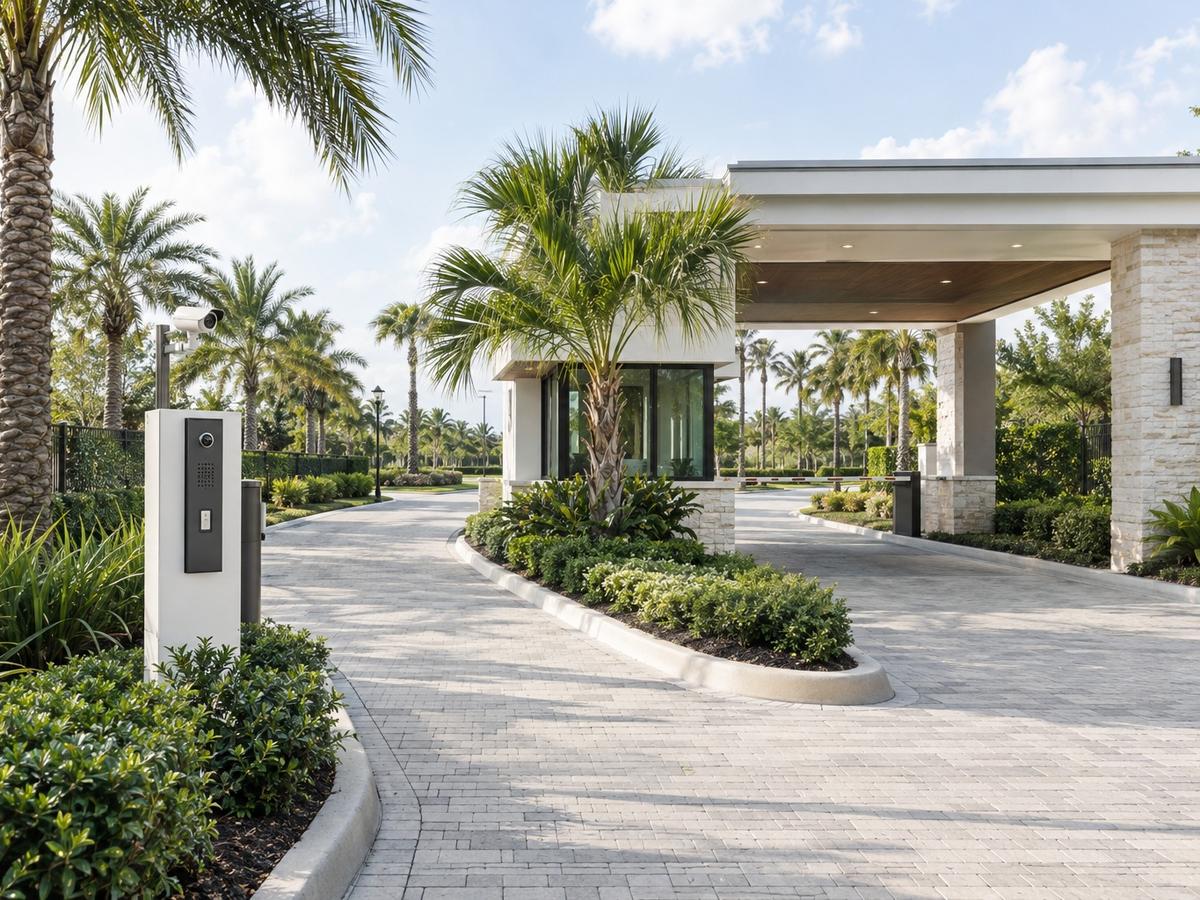
Visitor lane at a gated community entrance with a call box pedestal and a gatehouse

Visitor management

Visitors, contractors, and delivery drivers who are not on the resident allow list are handled through a defined visitor management workflow. Residents can pre-register expected guests through the portal, adding their plate number so the gate opens automatically upon arrival. One-time passes and time-limited access credentials can be issued for contractors or service vendors. All visitor entries are logged with plate images and timestamps, giving management a complete record of non-resident access to the community.

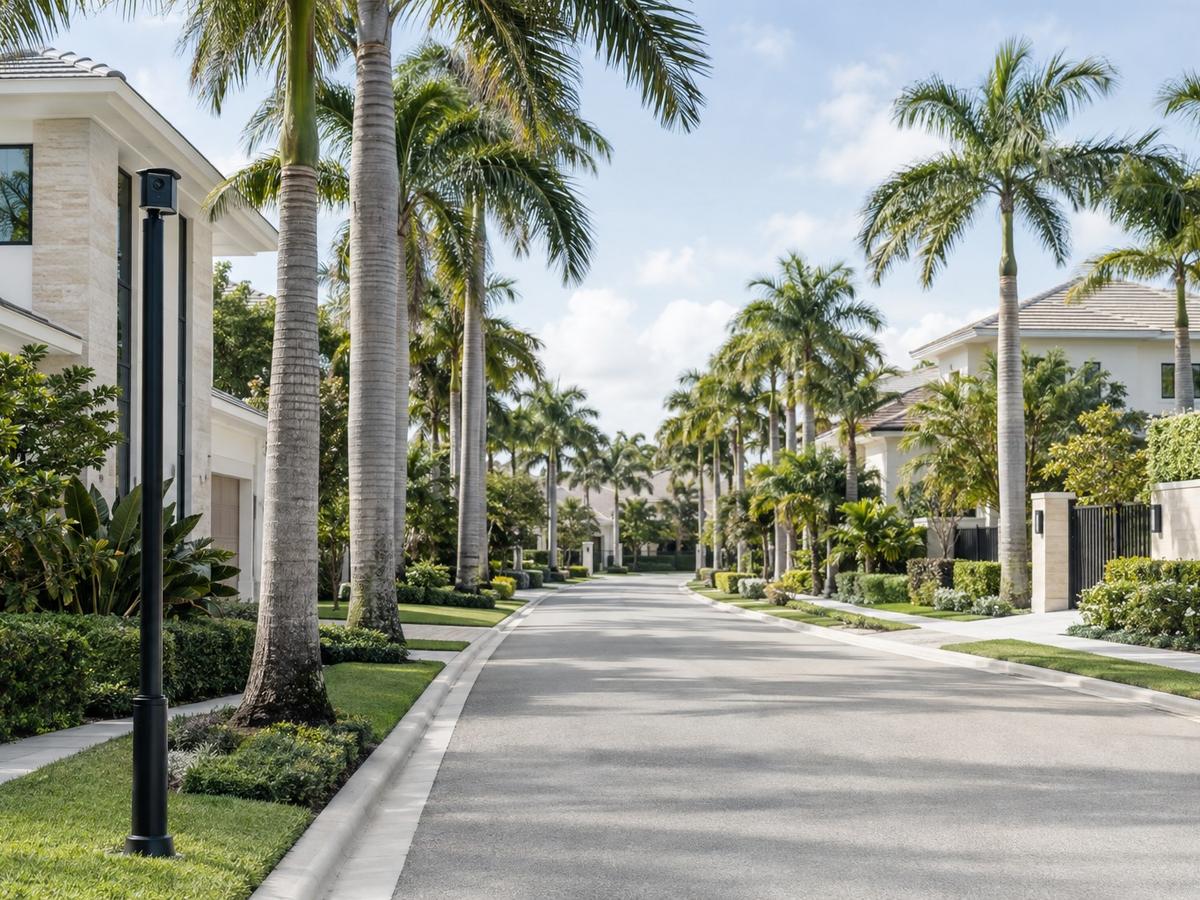
Palm-lined internal road in a gated community with a speed camera on a pole

Speed monitoring

Speed detection modules paired with LPR cameras can measure vehicle speed at community entrances and along internal roadways. When a vehicle exceeds the posted speed limit, the system captures a timestamped image with the plate number and speed reading, creating a documented record that management can use to notify the registered owner. Speed monitoring provides objective evidence for board enforcement actions and can serve as a deterrent that reduces speeding over time once residents are aware the system is in place.

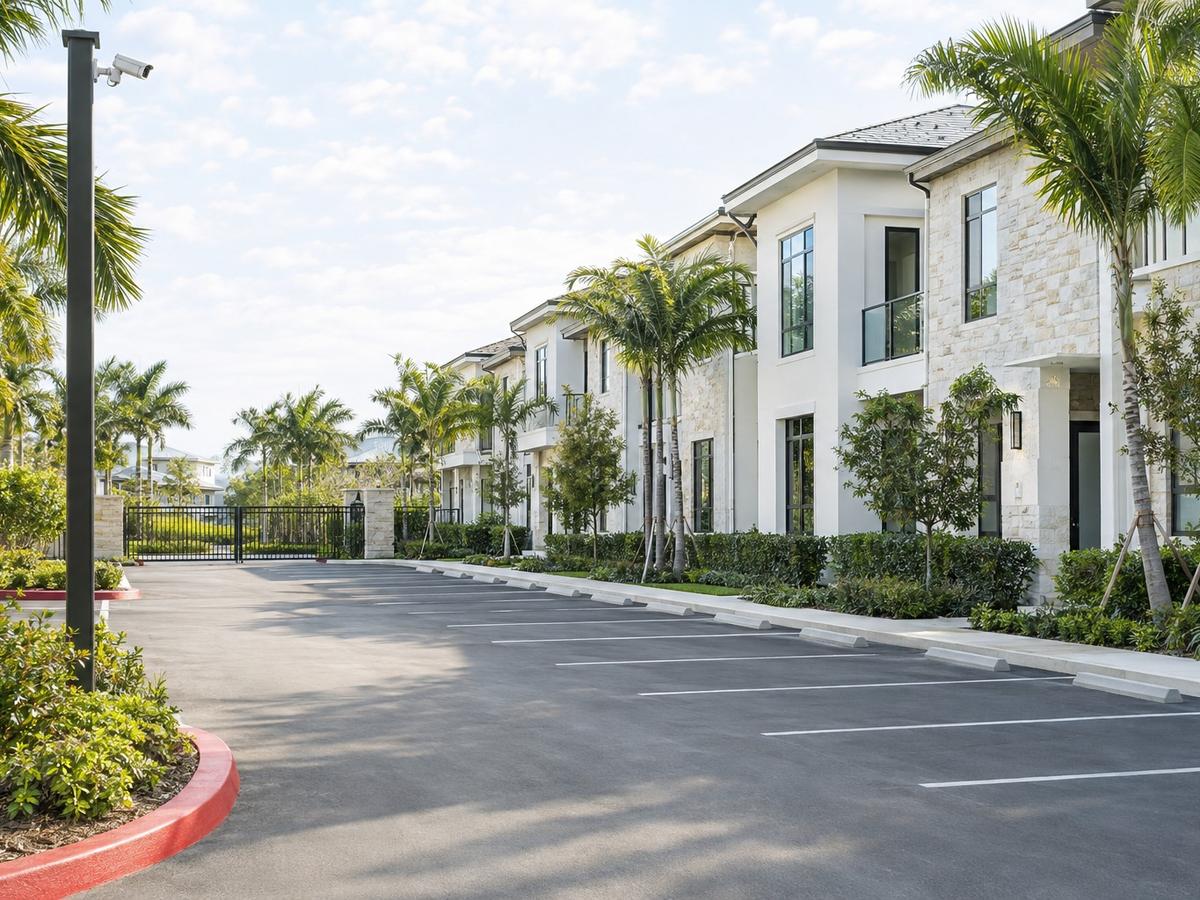
Townhome parking area with marked spaces and a fire lane curb watched by a pole camera

Violation documentation and reporting

Every parking violation, access policy breach, or speed infraction is automatically documented with a timestamped photograph, plate number, date, time, and location. Violation records are accessible to authorized HOA board members and property managers through a cloud-based portal accessible from any web browser. Reports can be filtered by date range, violation type, unit number, or plate, making it straightforward to identify patterns, build a case history for repeat offenders, and produce documentation for formal notice and fine proceedings. Automated documentation removes the subjective judgment that makes manual enforcement contentious and replaces it with an objective, consistent record.

Why choose Fortress Global for HOA traffic enforcement

  • Licensed electrical contractor, fully insured
  • Certified gate integration expertise
  • Seamless integration with existing gate and access control systems
  • Automated documentation removes enforcement disputes
  • Cloud portal gives board members real-time access to reports
  • No ongoing staffing required after installation
  • Self-service resident registration reduces management workload
20+

Years in the industry

500+

Completed installations across the U.S.

HOA traffic enforcement frequently asked questions

License plate recognition systems use specialized cameras positioned at community entry and exit points to capture high-resolution images of vehicle license plates as they pass. Optical character recognition software reads the captured plate number and compares it against a database of registered residents and approved visitors in real time, typically in under one second. If the plate matches a registered entry in the allow list, the gate opens automatically or the system logs a compliant entry.

If the plate is not on the allow list, the system follows the configured policy for that access point, which may include logging the entry as unregistered, triggering an intercom prompt, issuing an alert to management, or requiring a visitor pass to be issued before the gate will open. All reads are stored with a timestamped photograph, creating a complete access log for every vehicle that approaches the property. Violation events are added to the reporting queue and made available to board members through the cloud management portal.

In most cases, yes. Fortress Global has extensive experience integrating LPR camera systems with gate operators and access control platforms commonly found in residential communities. The integration connects the LPR system's allow-list logic to the gate operator's open command, so that a valid plate read triggers the gate to open just as a valid credential read would on a card reader or keypad.

Fortress Global evaluates your existing gate hardware and access control platform during the initial site consultation to confirm compatibility and identify any hardware or firmware updates that may be required before integration can proceed. If your current gate infrastructure is aging or has known reliability issues, we will advise you of that during the assessment so you can decide whether to upgrade before adding LPR rather than building a new system on a failing foundation.

Every event flagged as a violation is automatically documented by the LPR system with a set of data fields that include the date and time of the event, the location (specific camera or access point), a high-resolution photograph of the vehicle and its license plate, the plate number as read by the OCR engine, and the violation type. This documentation package is stored in the cloud platform and associated with the plate number so that a history of all events for a given vehicle can be retrieved quickly.

Authorized HOA board members and property managers access violation records through a web-based portal that does not require any software installation. Reports can be exported for use in formal violation notices and fine proceedings. The objective, photographic nature of the documentation significantly reduces disputes because the evidence is the plate image itself rather than an individual's recollection or manual notation.

Residents register their vehicles through an online self-service portal provided as part of the LPR platform. Each unit or account is assigned login credentials, and the homeowner or tenant logs in to add their vehicle's plate number, state, and optionally the make, model, and color of the vehicle. Multiple vehicles can be registered per unit up to the limit set by management. Newly registered plates are synced to the LPR cameras in real time or on a short automated schedule, so residents can typically use the gate without delay once their vehicle is registered.

Property management can also register vehicles on behalf of residents through an administrative interface. When a vehicle is sold or a tenant moves out, management or the resident can remove the plate from the system, preventing the previous vehicle from continuing to access the community on the prior resident's registration.

Yes. The LPR platform includes visitor management features that allow residents and management to handle non-resident vehicles in a structured way. Residents can pre-register an expected guest's plate through the portal, granting that plate time-limited access so the gate opens automatically upon arrival without requiring the resident to be home to let them in. For recurring service providers such as landscapers, pool maintenance companies, or regular delivery services, management can add those plates to a vendor allow list with defined access hours.

For one-time or unregistered visitors, the gate can be configured to prompt an intercom call or issue a temporary pass. All visitor entries are logged with the same timestamped photograph documentation as resident entries, so the complete access history of the property includes both resident and non-resident vehicle records.

When the LPR system detects a violation, such as a non-registered vehicle attempting entry, a vehicle exceeding the posted speed limit, or a vehicle parking in a restricted zone covered by a camera, the event is flagged automatically and added to the violation log in the management portal. Depending on how the system is configured, management can also receive an immediate notification by email or through the platform's alert system when certain violation types occur.

The violation record sits in the portal queue until a management user reviews it, confirms it meets the criteria for a formal notice, and takes action. Action typically means sending a violation notice to the registered owner of the plate, which the platform can assist with by linking the plate number to a unit record in communities where vehicle registration is tied to unit ownership. The documented record remains in the system and can be retrieved as needed for escalation or formal enforcement proceedings.

The cost of an LPR-based HOA traffic enforcement system depends primarily on the number of entry and exit lanes requiring cameras, whether gate integration work is needed, the extent of existing infrastructure that can be reused, and the cloud monitoring subscription required for the platform. A community with two access lanes and a compatible existing gate system represents a significantly different scope than a large community with multiple controlled access points, speed monitoring lanes, and limited existing infrastructure.

Camera hardware, installation labor, gate integration, platform configuration, and ongoing cloud subscription are the main cost components. Most communities find that the total cost of a well-installed LPR system is recovered within the first year or two through reduced management labor, elimination of after-hours security patrol costs, and avoidance of the ongoing overhead associated with manual enforcement programs. Contact Fortress Global for a site consultation and itemized proposal specific to your community's layout and requirements.

Automate your HOA traffic and parking enforcement

Stop spending board meeting time on parking disputes and access complaints. Fortress Global Technology installs LPR systems that document every vehicle objectively, integrate with your existing gates, and put violation reports in your hands instantly.

Curving road through a gated community with homes, palms and a roadside camera on a pole