

Commercial properties
Our licensed contractors provide low voltage cabling for office buildings and retail centers with structured cabling, security infrastructure, and electrical system integration.
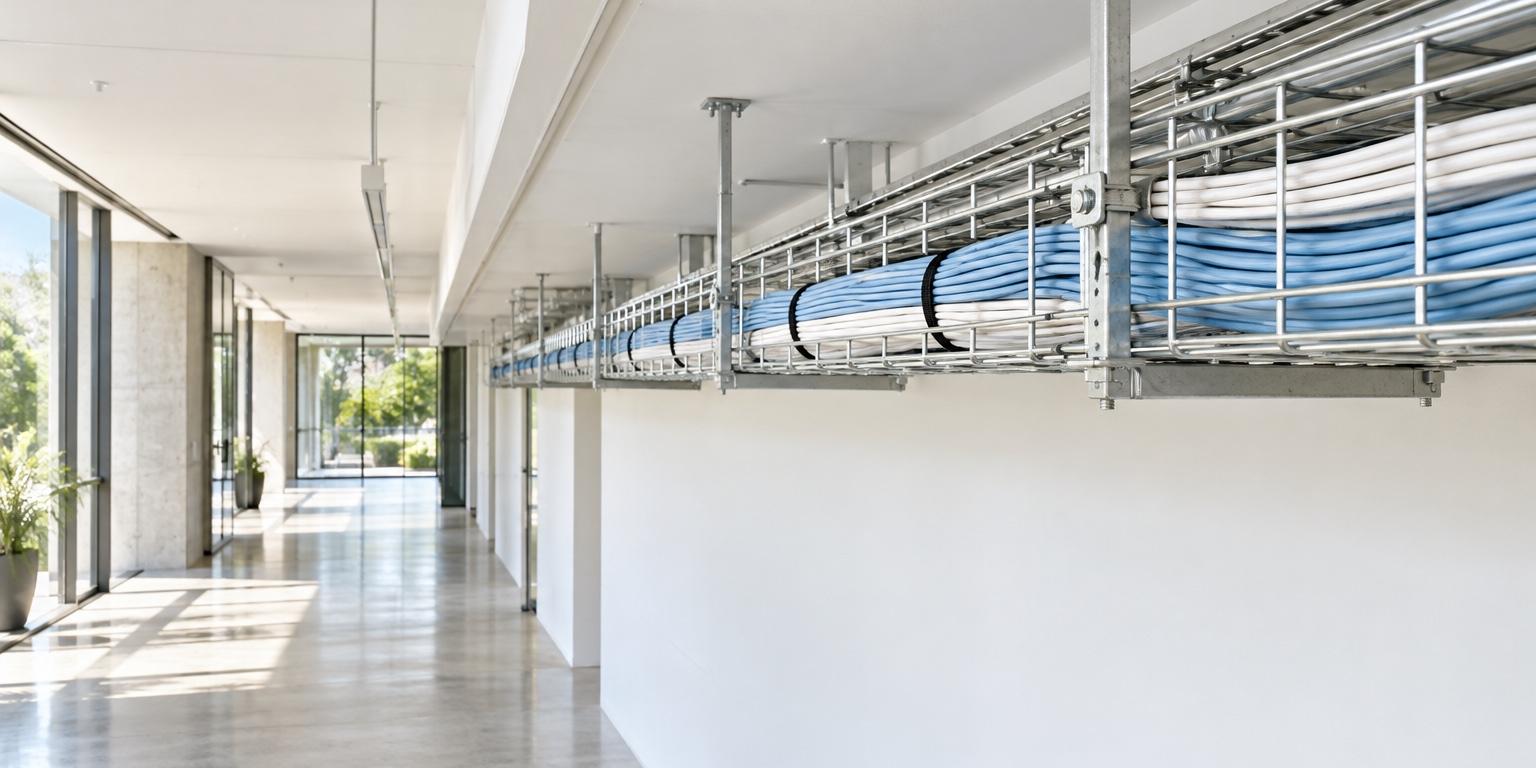
Professional low voltage installation including structured cabling, security system wiring, camera infrastructure, access control cabling, and complete electrical integration performed by licensed contractors ensuring code-compliant installations.
Our licensed contractors provide low voltage cabling for office buildings and retail centers with structured cabling, security infrastructure, and electrical system integration.

We deliver code-compliant installations for condominiums and HOAs with security camera cabling, access control wiring, and proper cable management.
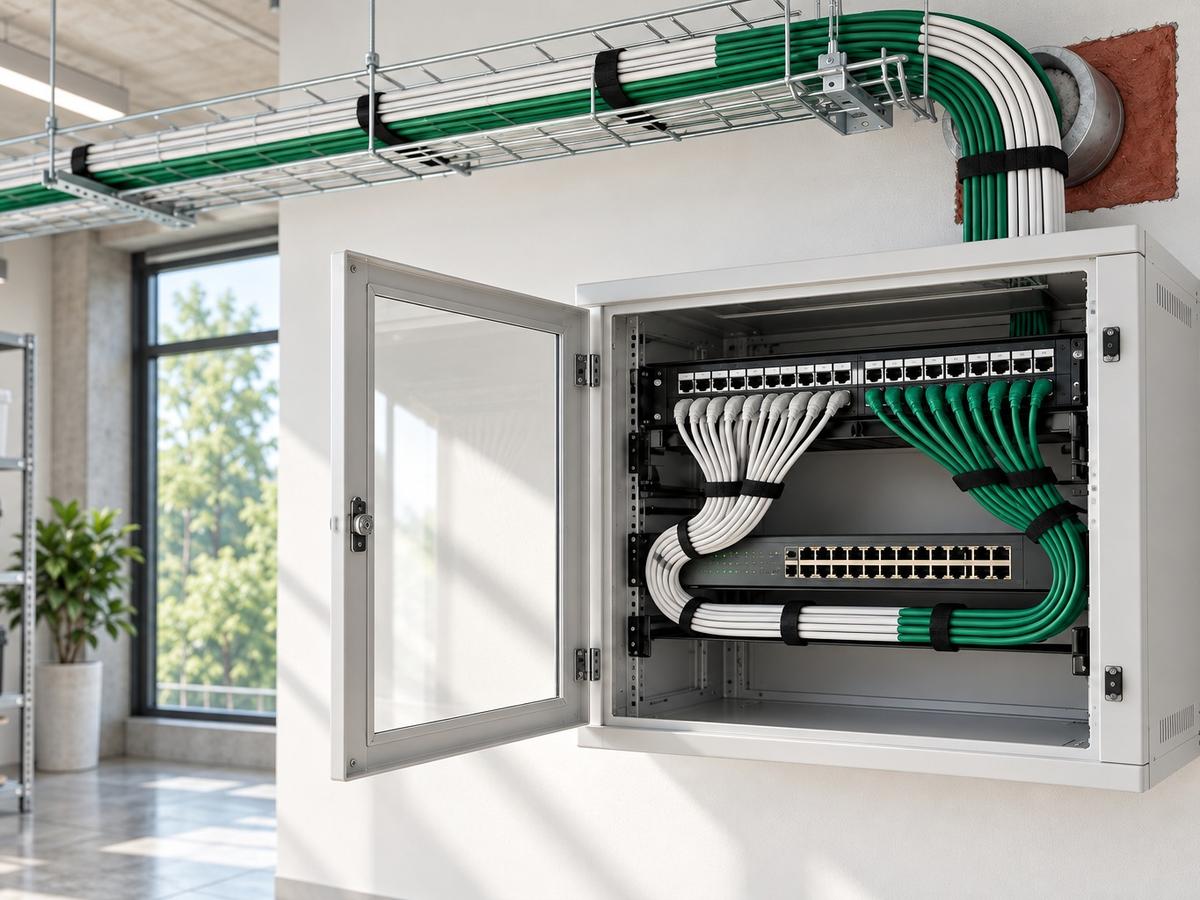
Cat6/Cat6a cabling for IP cameras with PoE power delivery, proper cable pathways following code, network infrastructure supporting video management, and integration with access control systems.
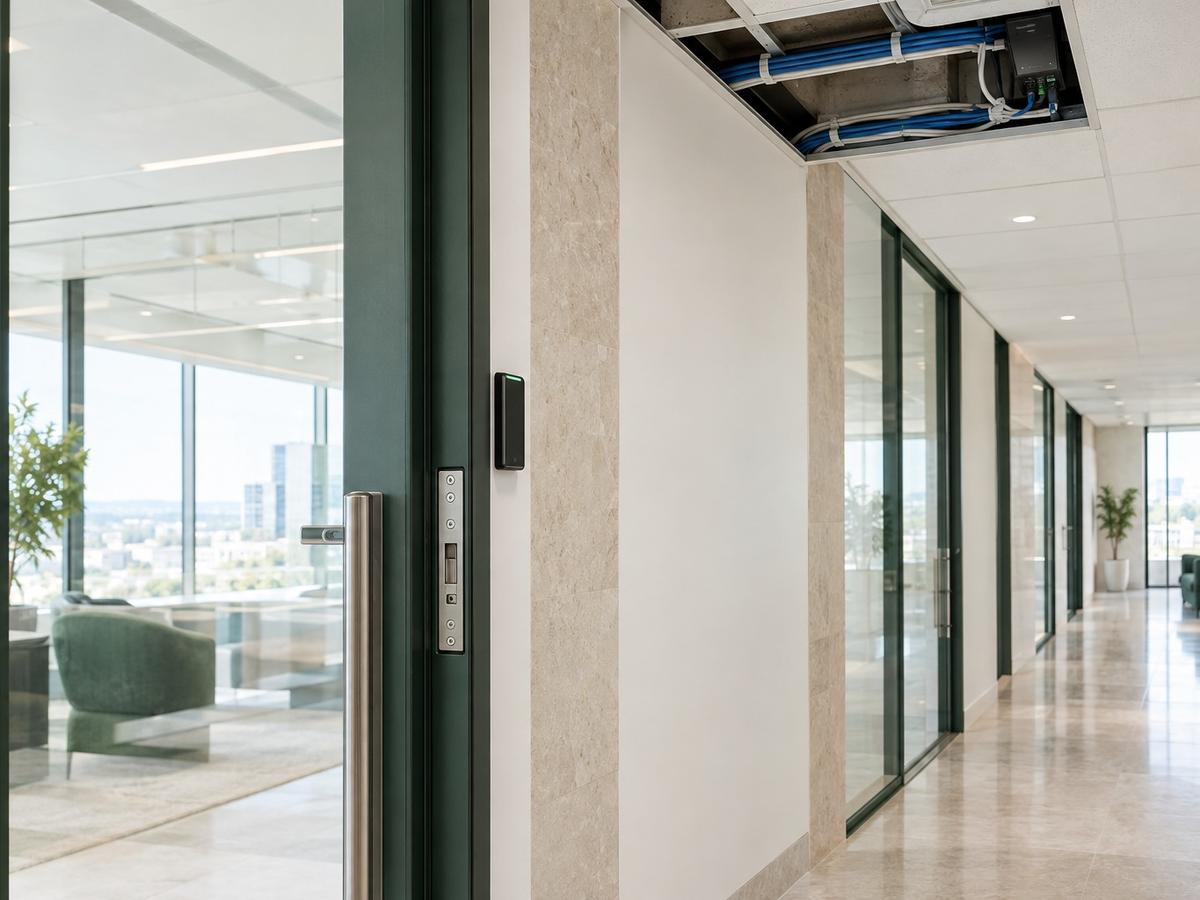
Door controller wiring, card reader connections, electric strike and magnetic lock power, request-to-exit devices, integrated gate and door control, and cloud platform connectivity.
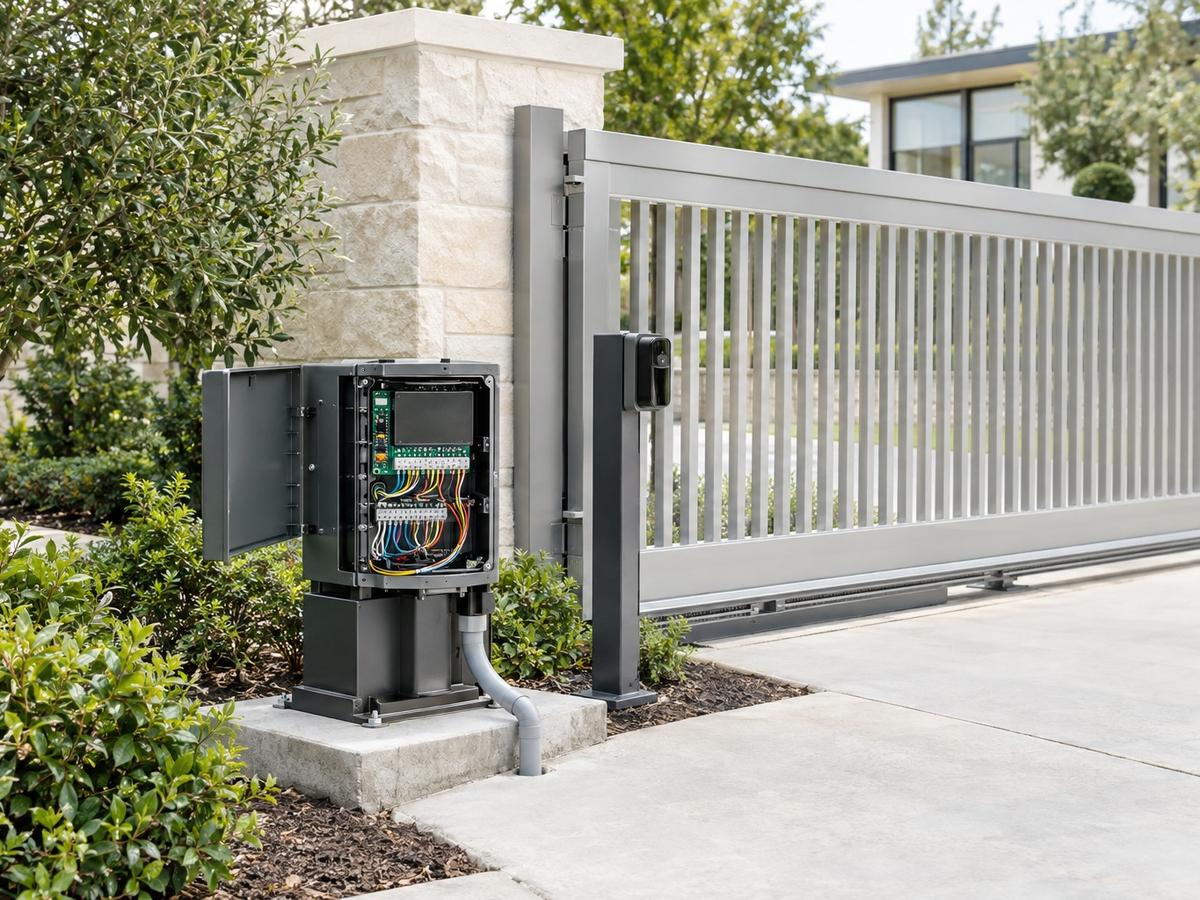
Gate operator power delivery, safety device wiring (photo eyes, loops), intercom and camera connections, license plate recognition systems, and access control integration.
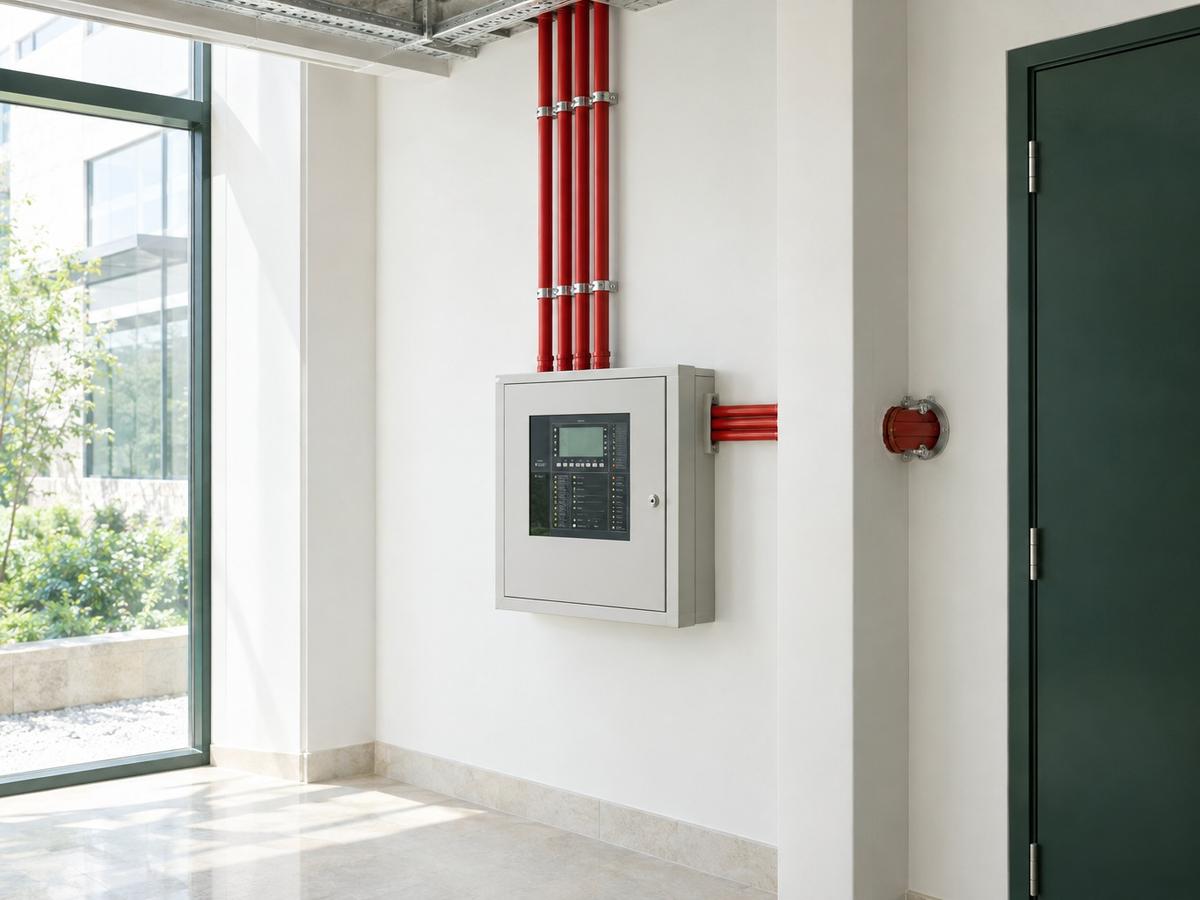
Fire alarm control panel installation, smoke and heat detector wiring, pull station connections, horn and strobe notification devices, code-compliant fire-rated cabling, and proper fire stopping.

Video intercom installation, two-way audio systems, doorbell camera wiring, visitor management integration, and power supply installation with proper overcurrent protection.

Thermostat wiring and HVAC controls, lighting control systems, occupancy sensor installation, energy management systems, and integration with building management platforms.
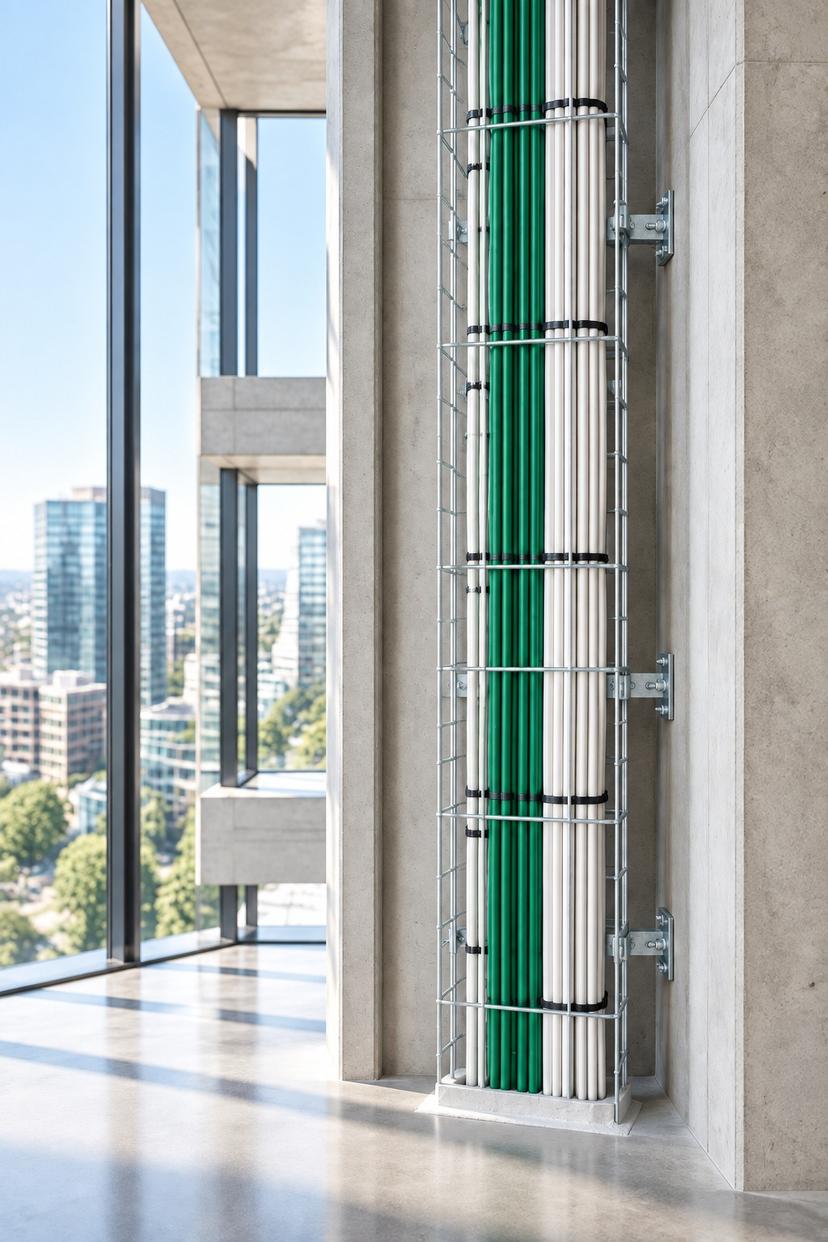
Florida law requires licensed electrical or low voltage contractors for commercial installations. Our licensed contractor status provides accountability and expertise ensuring installations meet NEC Article 725 (Class 2 and Class 3 circuits), local building code requirements and amendments, fire safety standards including fire-rated cable and fire stopping, proper grounding and bonding for safety and performance, and electrical separation preventing interference between low voltage and power systems.
Most commercial low voltage work requires building permits ensuring proper installation and code compliance. We handle permit acquisition through local building departments, scheduling and coordination with building inspectors, corrections if required to pass inspection, and final approval documentation for your building records. Unlicensed work cannot obtain permits and creates liability issues for property owners: installations may not be covered by insurance and could require complete removal and reinstallation by licensed contractors.
Low voltage installations must follow specific National Electrical Code requirements: cable type ratings (CL2, CL3, plenum, riser, general purpose) based on application, fire stopping at floor and wall penetrations preventing fire spread, cable support and horizontal run standards preventing sag or damage, separation distances from electrical power cables preventing interference, and proper installation in cable trays, conduit, or J-hook systems. Licensed contractors understand these requirements: unlicensed installers often don't.
Clean, organized low voltage cabling isn't just aesthetic: it's essential for code compliance, performance, and troubleshooting. We provide proper cable pathways (cable tray, conduit, J-hooks) following code, cable bundling with appropriate separation (data vs power vs fire alarm), strain relief preventing cable damage at termination points, professional labeling at both ends enabling troubleshooting, and neat terminations in electrical panels and junction boxes. This professional approach prevents the tangled wire mess common with unlicensed work.
Fire safety is critical for low voltage installations. We use fire-rated cables appropriate for installation location (plenum-rated for air handling spaces, riser-rated for vertical runs between floors, general purpose for standard installations), install proper fire stopping at all floor and wall penetrations preventing fire and smoke spread, maintain required separation from fire alarm circuits, and provide documentation for fire marshal inspections. These fire safety requirements protect building occupants and are strictly enforced by building inspectors.
Low voltage systems often require integration with building electrical: power supplies installed in electrical panels with proper overcurrent protection, transformer installation for door locks and automation devices, proper grounding and bonding meeting NEC requirements, coordination with electricians on new construction projects, and safe separation preventing interference or electrical hazards. Licensed electrical contractors understand these integration requirements ensuring safe, code-compliant installations.
Security camera infrastructure, access control for doors and elevators, fire alarm systems, intercom installation, building automation cabling, and integration with IT infrastructure.
HIPAA-compliant security systems, nurse call system wiring, access control for medication rooms, surveillance camera cabling, fire alarm installation, and proper separation from medical equipment.
Point-of-sale system cabling, security camera infrastructure, access control wiring, fire alarm systems, public address systems, and digital signage connectivity.
Perimeter security camera wiring, gate automation cabling, access control systems, fire alarm installation in harsh environments, and rugged cable installations for industrial conditions.
Vertical riser cabling between floors, fire-rated cable in shafts, access control for elevators and stairwells, floor-by-floor camera systems, and fire alarm systems with proper supervision.
Guest room access control, surveillance camera systems, fire alarm installation, elevator phone systems, building automation wiring, and energy management cabling.
Building access control wiring, elevator camera systems, common area surveillance, fire alarm installation, package room security, and gate automation cabling.
Campus security camera systems, access control for secure areas, fire alarm installation, emergency notification systems, and intercom infrastructure.
Years in the industry
Completed installations across the U.S.
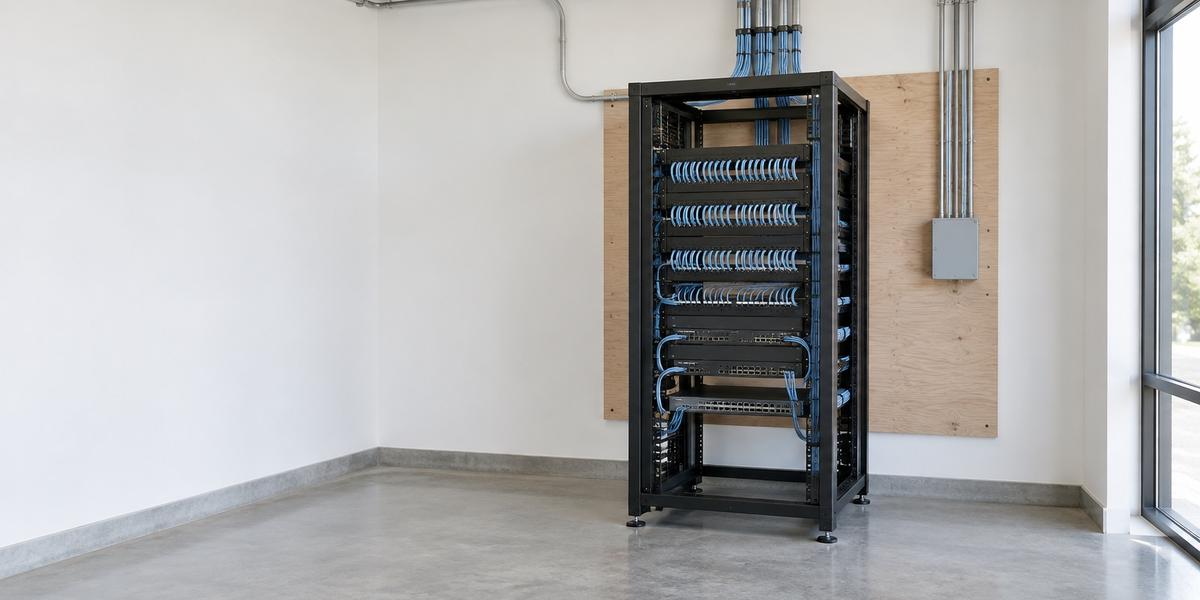
Structured cabling, fiber and rack builds that carry security traffic on properly segmented infrastructure.
View page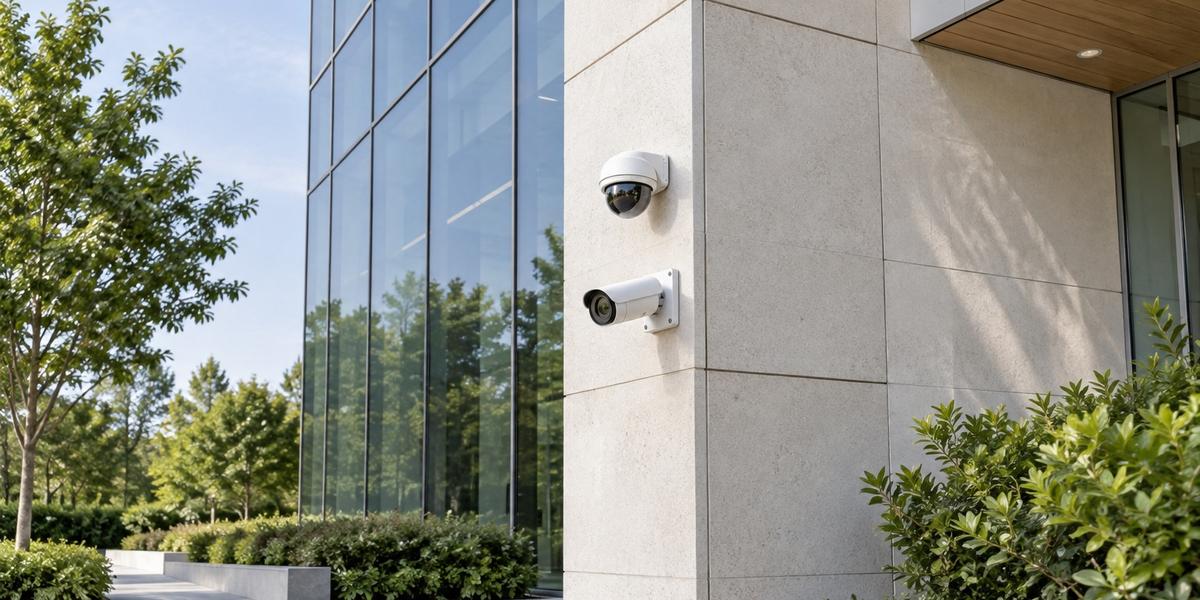
Enterprise-grade IP camera systems with intelligent analytics, cloud storage and remote monitoring.
View page
Cloud and on-premise platforms that secure your facilities while providing real-time monitoring and control.
View pageLow voltage cabling refers to electrical wiring and systems carrying less than 50 volts, substantially lower than the 120/240 volts used for lighting and power outlets. This reduced voltage makes low voltage systems safer to work with but still requires professional installation for code compliance and proper performance.
Systems Supported by Low Voltage Cabling:
As a Florida licensed electrical contractor, we provide code-compliant low voltage installations with proper permitting, fire stopping, and cable management meeting NEC standards. This ensures reliable performance, passes building inspections, and protects property owners from liability associated with unlicensed work.
While low voltage cabling (under 50 volts) doesn't carry the same electrical hazard as high voltage power, Florida law and local building codes require licensed contractors for commercial low voltage installations, and there are important reasons why:
Legal Requirements: Florida Statutes require licensed electrical or low voltage contractors for commercial cabling installations. Building departments require proper permits pulled by licensed contractors. Installations must pass inspections verifying code compliance. Unlicensed work creates liability issues for property owners and may not be covered by insurance claims if systems fail or cause damage.
Technical Expertise Licensed Contractors Provide:
Code Compliance Requirements: Low voltage installations must follow specific codes including cable type ratings (CL2, CL3, plenum, riser, general purpose), fire stopping requirements at floor penetrations, cable support and horizontal run standards, separation distances from electrical power cables, and telecommunications room requirements. Licensed contractors understand these requirements while unlicensed installers often don't, creating installations that fail inspection or create safety hazards.
Liability Protection: When unlicensed work causes problems (system failures, code violations, safety issues), property owners bear the liability and expense of correction. Licensed contractors provide accountability, insurance coverage, and recourse if issues arise. This protection is particularly important for properties where system failures can cause operational disruption and financial loss. As a Florida licensed electrical contractor since 2004, we provide expertise and accountability that unlicensed installers cannot offer. Our installations pass inspection the first time, meet all code requirements, and provide documentation ensuring your infrastructure is legally compliant and properly executed.
Absolutely. Palm Beach and Broward Counties have been our home base for over 20 years. As a Florida licensed electrical contractor, we've installed low voltage systems throughout South Florida's properties with proper permitting, code compliance, and established relationships with building departments for seamless inspections.
Palm Beach County Low Voltage Work: From West Palm Beach's office buildings along Okeechobee Boulevard and Belvedere Road (33401, 33405, 33409, 33411) to Boca Raton's corporate centers along Glades Road and Congress Avenue (33431, 33434, 33487), from Delray Beach's mixed-use developments (33444, 33446, 33483) to Wellington's commercial properties (33414, 33449), we've wired security systems, access control, fire alarms, and building automation throughout Palm Beach County. Our licensed work spans Jupiter's Abacoa developments (33458, 33477), Palm Beach Gardens corporate parks (33410, 33418), Boynton Beach industrial facilities (33435, 33426, 33472), and luxury properties throughout the barrier islands.
Broward County Expertise: Fort Lauderdale's downtown buildings and airport area (33301, 33304, 33309, 33315), Pompano Beach's industrial corridor (33064, 33069, 33073), Plantation's corporate centers along University Drive and Peters Road (33317, 33323, 33324), Coral Springs professional districts (33065, 33071, 33076), Weston's master-planned communities (33326, 33331, 33332), Hollywood's beachfront properties (33019, 33020, 33021), Sunrise's Sawgrass corporate area (33323, 33351), and Davie's educational and commercial facilities (33314, 33328, 33330). Our licensed installations span every Broward community.
Local Authority and Relationships: Established relationships with Palm Beach and Broward County building departments enabling smooth permitting and inspection, understanding of local code amendments and jurisdiction-specific requirements, knowledge of local inspector expectations and common issues, familiarity with fire marshal requirements for each jurisdiction, and 20+ years of documented code-compliant installations providing references and reputation.
Low voltage cabling costs vary based on system type, building complexity, and installation requirements. Licensed contractor installations cost more than unlicensed work but provide code compliance, proper permitting, and long-term reliability eliminating costly repairs and reinstallation.
Typical Cost Ranges:
Cost Factors Include: Cable type and quantity needed, cable pathway requirements (existing vs new installation), building access (occupied vs vacant, ceiling type), distance from power sources and network infrastructure, integration with existing systems, permitting and inspection fees, fire stopping and code compliance requirements, and documentation and as-built drawings.
Licensed vs Unlicensed Work: Licensed contractor installations typically cost 20–40% more than unlicensed work but provide proper permitting and inspection approval, code-compliant installations meeting NEC standards, fire safety compliance protecting building occupants, professional documentation for building records, warranty and accountability if issues arise, and insurance coverage protecting property owners from liability. Unlicensed work often requires complete removal and reinstallation by licensed contractors when discovered during building inspections or real estate transactions, ultimately costing far more than proper installation initially. We provide detailed proposals after site assessment, ensuring pricing accuracy and transparency.
NEC Article 725 defines specific cable types for low voltage installations based on installation location and fire safety requirements. Using proper cable types is essential for code compliance and building inspector approval.
Common Low Voltage Cable Types:
Cable Selection Criteria: Installation location determines cable type: plenum spaces require plenum-rated cable (CL2P, CL3P, FPLP), vertical runs between floors require riser-rated cable (CL2R, CL3R, FPLR), and general spaces can use standard cable (CL2, CL3, FPL). Fire alarms require specific fire alarm cable (FPL types). Power requirements determine Class 2 vs Class 3. Building inspectors verify proper cable types during inspection: using wrong cable types fails inspection and requires removal/reinstallation.
Why Proper Cable Types Matter: Fire-rated cables are designed to prevent fire and smoke spread through building infrastructure, contain fire-resistant materials meeting specific burn test standards, and are required by building codes and fire marshals for occupant safety. Using general purpose cable where fire-rated cable is required creates serious fire safety hazards, fails building inspection, and creates liability for property owners. Licensed contractors understand these requirements and select proper cable types: unlicensed installers often use the cheapest available cable regardless of code requirements.
Fire stopping refers to sealing penetrations through fire-rated walls and floors to prevent fire and smoke spread. When low voltage cables pass through floors or fire-rated walls, building codes require proper fire stopping to maintain the fire rating of the barrier.
Why Fire Stopping is Critical: Building fire ratings create compartmentalized zones slowing fire spread and providing escape time for occupants. Every penetration through fire-rated barriers (floors, walls) compromises this protection unless properly sealed. Unsealed cable penetrations create pathways for fire and smoke to spread rapidly between floors or compartments, defeating the building's fire protection design and creating serious life safety hazards.
Fire Stopping Requirements: NEC and local building codes require fire stopping at all floor penetrations where cables pass between floors, at fire-rated wall penetrations where cables pass through fire barriers, in vertical cable shafts and telecommunications closets, and at any location where maintaining fire rating is required. Building inspectors specifically check for proper fire stopping: missing or improper fire stopping fails inspection.
Proper Fire Stopping Methods: UL-listed fire stop materials (putty, caulk, foam) rated for specific penetration types and sizes, proper installation following manufacturer's specifications, complete sealing with no gaps or voids allowing smoke passage, and documentation of products used and installation dates.
As licensed contractors, we install proper UL-listed fire stopping at all required locations, document installations for building records, and ensure compliance with fire marshal requirements. This isn't just about passing inspection: it's about life safety and protecting building occupants.
Yes, as a Florida licensed electrical contractor, we install complete fire alarm systems meeting NFPA 72 standards and local fire marshal requirements. Fire alarm installation is among the most regulated low voltage work, requiring specific licensing, permitting, and inspection procedures.
Fire Alarm Systems We Install:
Fire Alarm Installation Requirements: Licensed contractor required by Florida law and local codes, building permit and fire marshal approval before installation begins, detailed shop drawings showing device locations and circuit design, inspection during rough-in phase before drywall, final inspection with full system testing and documentation, and ongoing annual inspections maintaining system certification.
NFPA 72 Compliance: Fire alarm installations must meet NFPA 72 National Fire Alarm Code specifying device spacing and placement requirements, notification device coverage and sound levels, circuit supervision preventing undetected failures, battery backup capacity requirements, and testing and documentation procedures. Building inspectors and fire marshals strictly enforce NFPA 72 compliance: improper installations fail inspection and cannot receive a certificate of occupancy.
Our licensed contractor status, established relationships with fire marshals, and 20+ years of fire alarm installation experience ensure your fire alarm system passes inspection, meets all code requirements, and provides reliable life safety protection.
Low voltage installation timeline depends on system complexity, building size, and permitting requirements. Licensed contractor installations take longer than unlicensed work due to proper permitting and inspection procedures, but this ensures code compliance and avoids costly reinstallation when unlicensed work is discovered.
Typical Installation Timelines:
Installation Process: Permit application and approval through building department (1–2 weeks in most jurisdictions), cable pathway installation (cable tray, conduit, J-hooks), low voltage cabling between devices and control points, power supply installation and electrical integration, fire stopping at all floor and wall penetrations, device mounting and termination, system testing and programming, rough-in inspection by building inspector (if required), corrections if inspector identifies issues, final inspection and approval, documentation with as-built drawings and test results.
For occupied buildings requiring minimal disruption, we coordinate installation during off-hours when necessary. We provide detailed project schedules during the proposal phase, keeping you informed throughout installation. While proper licensed contractor installation takes longer than unlicensed shortcuts, it ensures code compliance, passes inspection, and provides documentation protecting property value and avoiding costly reinstallation later.
Comprehensive documentation is essential for low voltage installations: it's required for building inspections, insurance claims, future troubleshooting, and real estate transactions. Licensed contractors provide complete documentation that unlicensed installers cannot offer.
Standard Documentation Includes:
We provide complete documentation in both digital format (PDF drawings, Excel schedules) and physical binders for your building records. This documentation protects your investment, ensures code compliance, and provides reference for future work on your low voltage infrastructure.
Yes, we frequently troubleshoot and repair low voltage systems, often fixing problems caused by improper original installation or unlicensed work. As licensed contractors with comprehensive technical knowledge, we can diagnose issues that others miss.
Common Low Voltage Problems We Fix:
Our Troubleshooting Approach: Comprehensive system testing identifying all issues (not just symptoms), cable testing verifying proper connectivity and signal quality, power supply testing ensuring adequate voltage and current, interference testing identifying electrical noise or grounding problems, and systematic diagnosis using proper test equipment and technical knowledge.
Common Issues from Unlicensed Work: Wrong cable types used (general purpose where fire-rated required), missing fire stopping creating code violations, improper power supplies undersized for loads, poor cable management causing damage and failures, lack of proper grounding causing interference, and no documentation making troubleshooting difficult.
Repair vs Replacement Decisions: We provide honest assessments of whether existing systems can be repaired or require replacement. If unlicensed work doesn't meet code and requires complete reinstallation, we explain why and provide options. Sometimes simple repairs fix problems; other times code violations require starting over with proper licensed installation. Our troubleshooting services identify root causes rather than just treating symptoms, provide code-compliant repairs meeting inspection standards, document repairs for building records, and offer recommendations preventing future failures.
Yes, while our licensed contractor expertise was built in South Florida over 20+ years, we now provide low voltage installations nationwide, from Florida to Hawaii, with completed projects across all 50 states. Our core expertise has always been concentrated in South Florida (Palm Beach, Broward, Miami-Dade) where we maintain our Florida electrical contractor license, and New York City where we maintain an active office. In 2026, we're expanding to Arizona with a Phoenix metro office.
Nationwide Project Experience: California office buildings and technology campuses, Texas industrial facilities and data centers, Hawaii resort properties, Northeast corporate offices and high-rises, Mid-Atlantic medical facilities and educational campuses, Mountain West distribution centers and logistics facilities, Pacific Northwest technology companies, and Southeastern commercial developments and hospitality properties.
Our Nationwide Approach: Initial consultation and system design (often remote using site plans and photos), equipment specification and procurement coordinated centrally, local permit acquisition working with jurisdiction requirements, deployment of our professional installation crews to project site, coordination with local electrical contractors when needed for specific jurisdiction requirements, comprehensive testing and system commissioning, detailed documentation and warranty information, ongoing remote support with local service partnerships. Whether you're in Miami, Manhattan, Phoenix (2026), or anywhere in between, you get the same Fortress Global Technology quality: professional code-compliant installations, proper permitting where required, comprehensive testing and documentation, licensed contractor accountability, and reliable ongoing support. For multi-location companies with properties spanning multiple states, we provide standardized low voltage installation quality with centralized management: one contractor, one quality standard, one support contact from coast to coast.
A professional low voltage installation combines technical expertise, code compliance, and craftsmanship that separates licensed contractor work from unlicensed shortcuts. Here's what distinguishes quality installations:
Proper Planning & Design: Thorough site survey identifying optimal cable pathways, proper cable type selection for each application and location, adequate power supply sizing with appropriate safety margins, thoughtful device placement for optimal function and aesthetics, and documented design plans for permitting and installation guidance.
Code-Compliant Installation: Proper cable types (CL2, CL3, plenum, riser) based on installation location, fire-rated cables in air handling spaces and vertical shafts, fire stopping at all floor and wall penetrations, proper cable separation from electrical power preventing interference, appropriate cable support preventing sag or damage, and grounding and bonding meeting NEC requirements.
Professional Workmanship: Clean cable pathways using cable tray, conduit, or J-hooks per code, organized cable bundling with proper separation by type, strain relief at all terminations preventing cable damage, professional labeling enabling easy troubleshooting, neat terminations in electrical panels and junction boxes, and hidden cable runs wherever possible for professional appearance.
Proper Testing & Commissioning: Cable testing verifying proper connectivity and signal quality, power supply testing ensuring adequate voltage under load, system functional testing confirming all components work properly, and documented test results for building records and warranty claims.
Complete Documentation: As-built drawings showing actual installation, cable schedules with origin/destination/type, equipment serial numbers and warranty information, permit records and inspection approvals, and operation manuals and training materials.
As licensed contractors committed to quality, we deliver installations that pass inspection the first time, meet all code requirements, look professional, provide reliable performance, and include complete documentation. This is what property owners deserve and what building codes require.