

Ornamental iron and chain link fencing
Purpose-built perimeter fencing that defines boundaries, controls access points and provides a physical deterrent appropriate for the aesthetic and security requirements of your property.
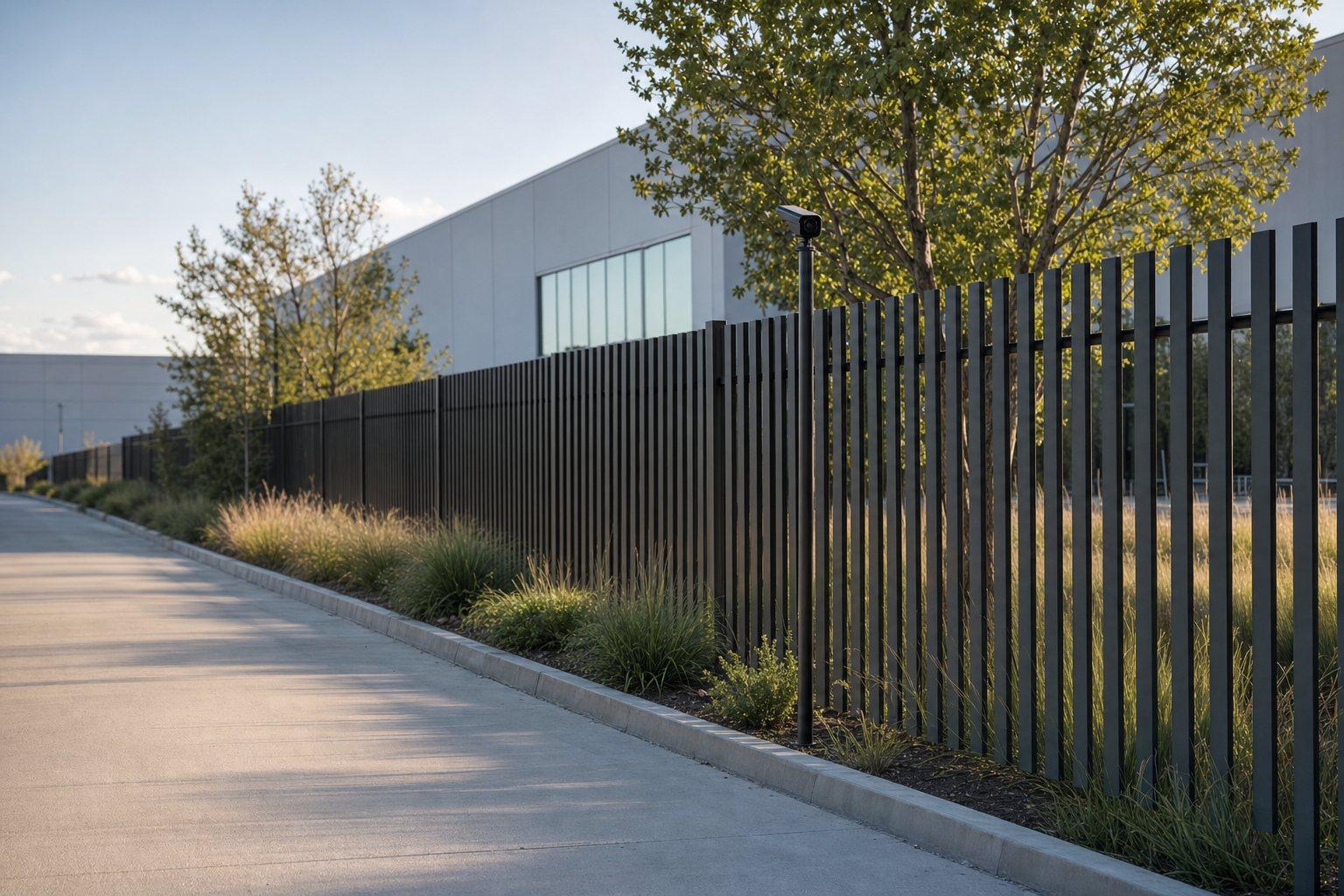
A properly secured perimeter is the first line of defense for commercial properties, HOA communities, gated residential developments, mixed-use properties and industrial facilities. We design and install layered protection that combines physical barriers, electronic detection and surveillance to stop threats before they reach your building or residents.
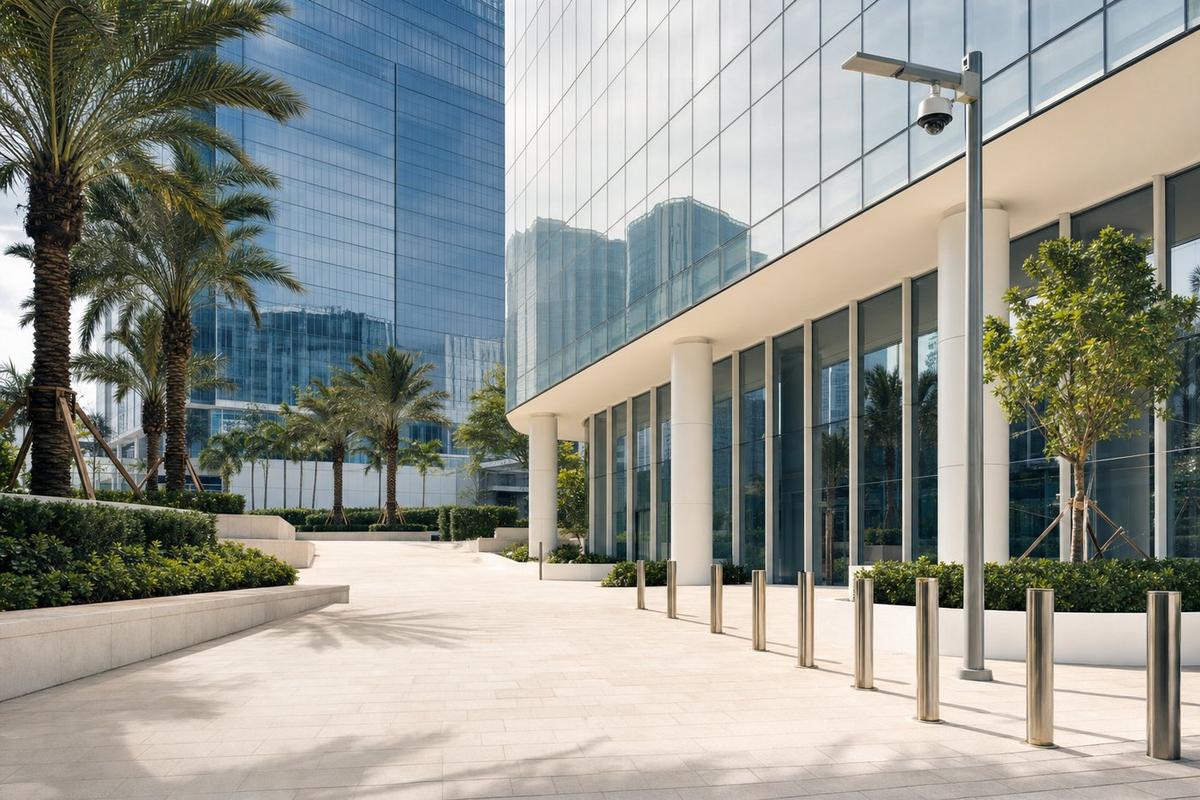
Office campuses, industrial facilities, warehouses and mixed-use developments rely on perimeter security to prevent unauthorized vehicle and foot traffic, protect assets, and maintain a controlled entry environment around the clock.

HOA communities, gated residential developments and condominium properties use perimeter systems to define clear boundaries, deter trespassing, and give residents and boards confidence that their community is actively protected.

Purpose-built perimeter fencing that defines boundaries, controls access points and provides a physical deterrent appropriate for the aesthetic and security requirements of your property.
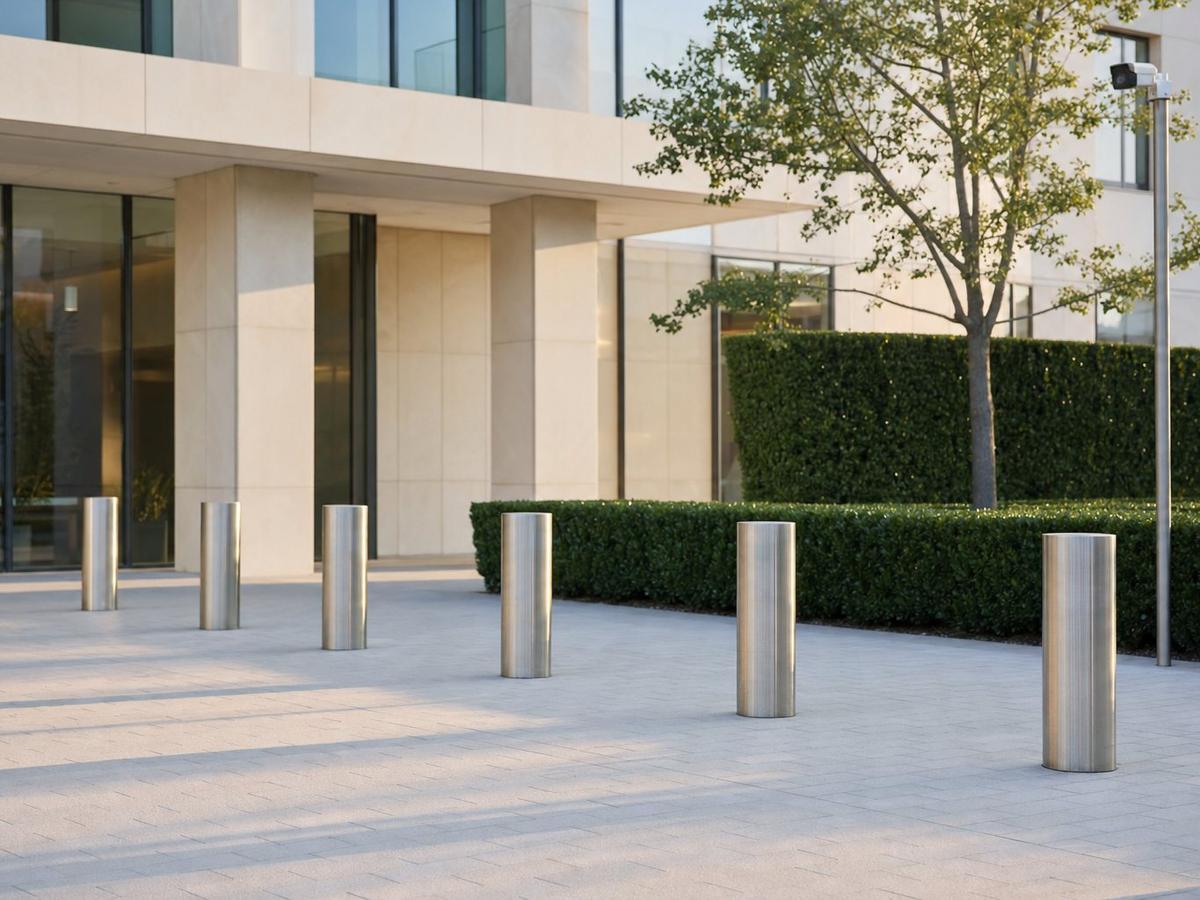
Engineered vehicle barriers and bollards rated to stop unauthorized vehicle intrusion at driveways, pedestrian zones and high-value entry points. Fixed, removable and retractable configurations available.
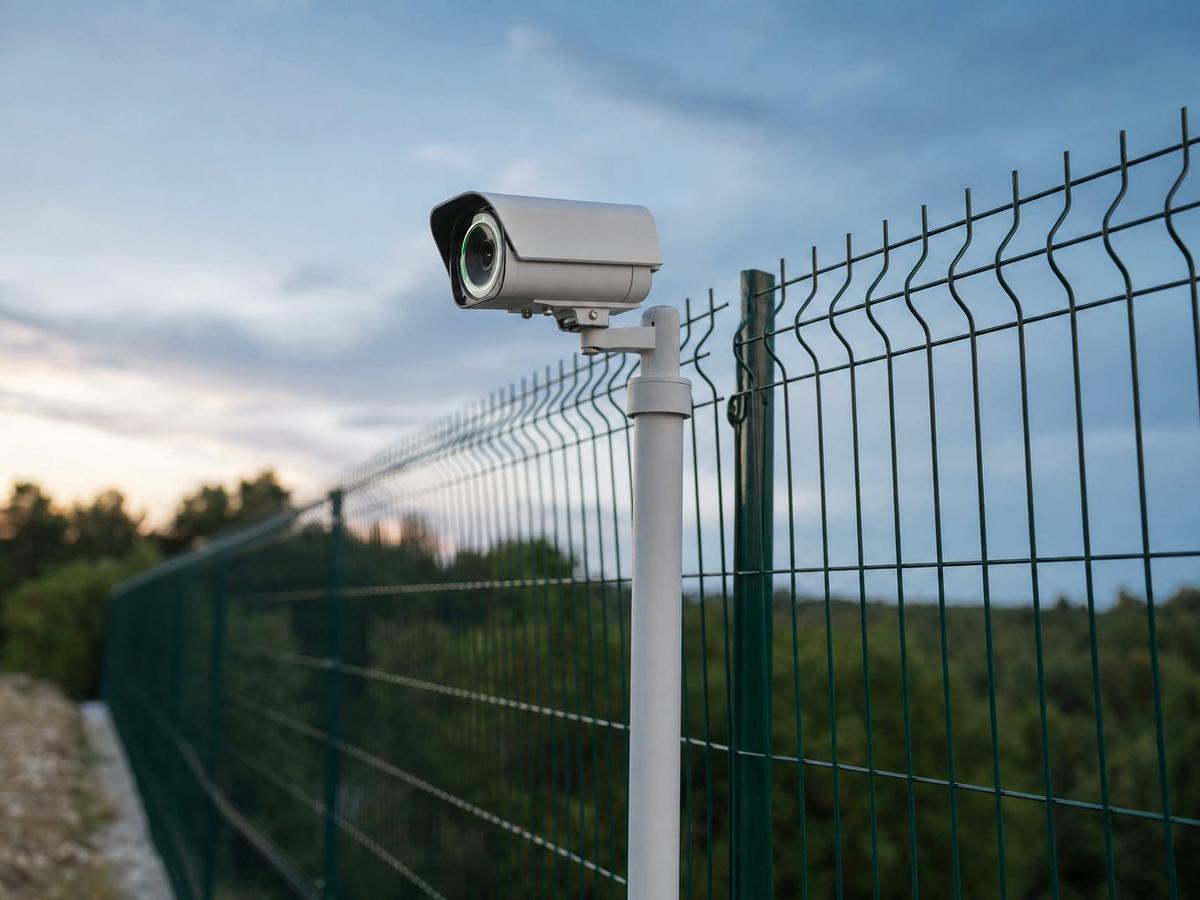
Thermal cameras detect heat signatures in complete darkness, heavy rain and low-visibility conditions, making them the preferred technology for large perimeters, waterfront properties and sites where standard cameras have coverage gaps.
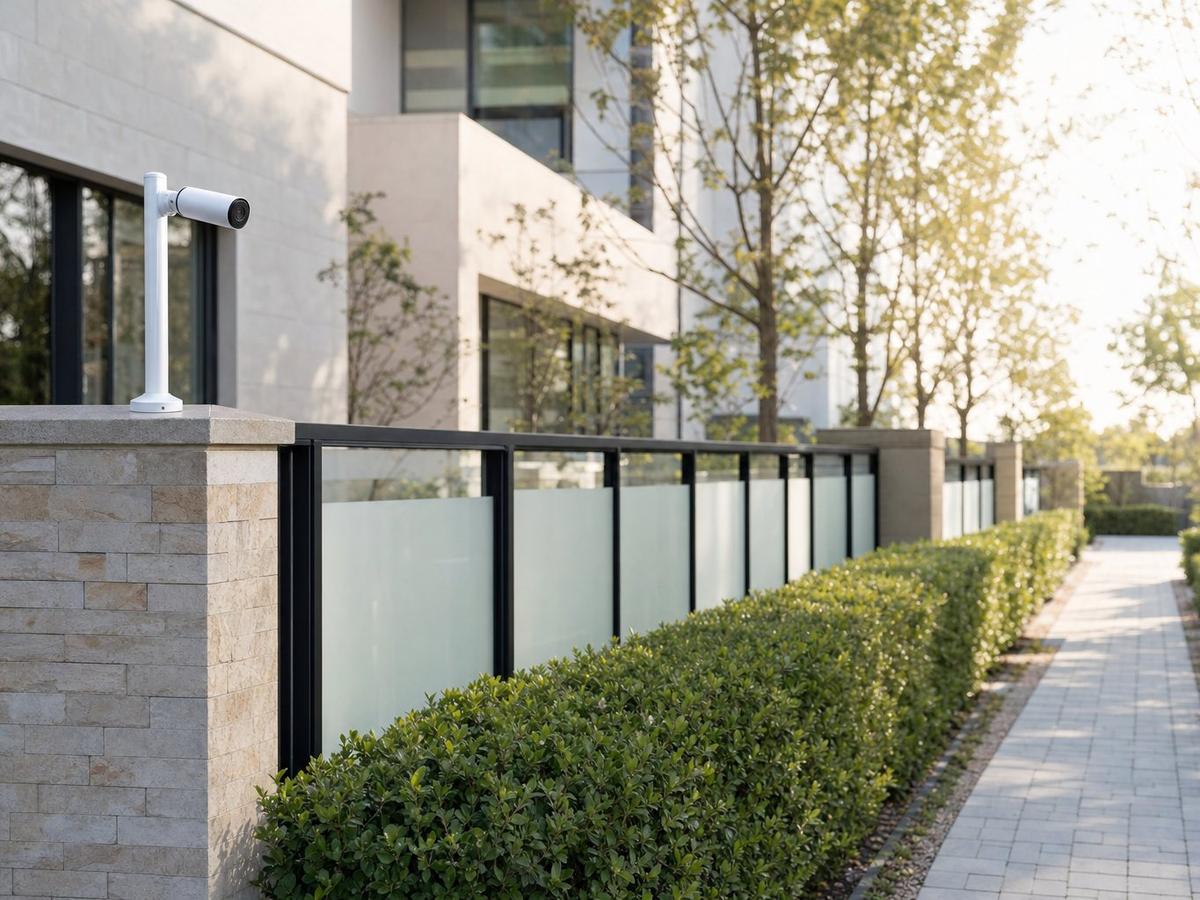
High-resolution IP cameras positioned at fence lines, entry points and vulnerable approach zones provide continuous visual coverage and recorded evidence for any perimeter incident.
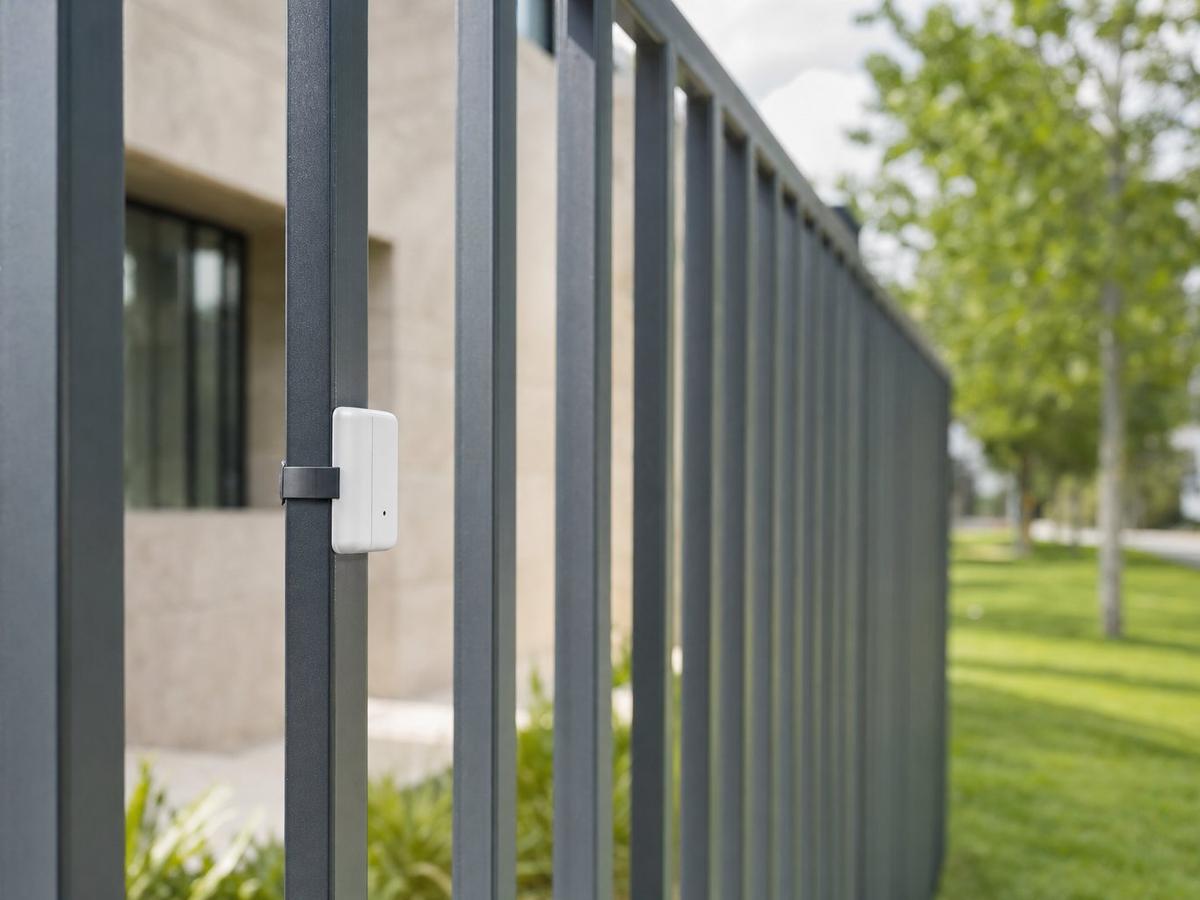
Sensors mounted directly to fence lines detect cutting, climbing or impact events and trigger real-time alerts, allowing operators to respond before an intrusion is complete.
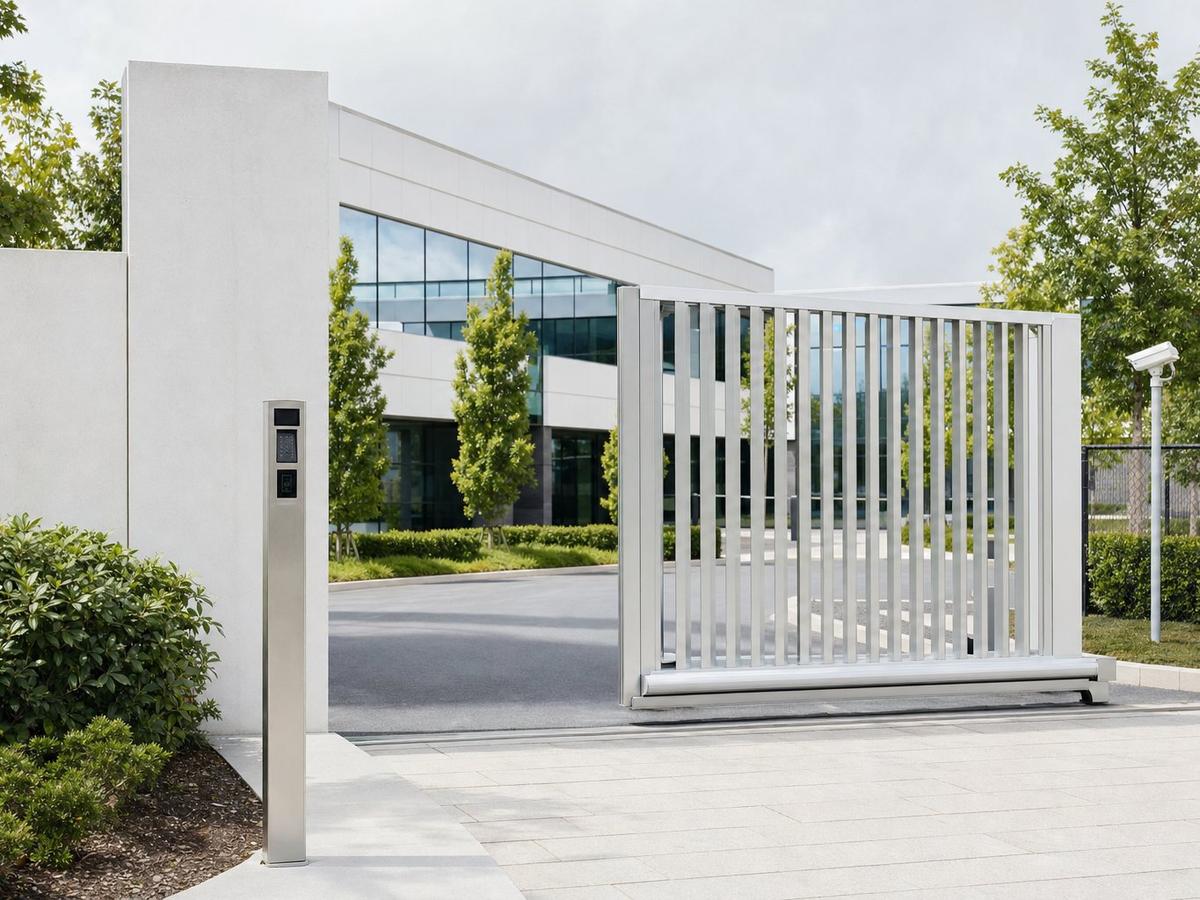
Perimeter detection and surveillance tie directly into gate automation, intercoms and access control platforms, so a detected event can automatically trigger lockdown, alert or recording responses across your entire system.
Years of South Florida and NYC installations
Completed installations across the U.S.
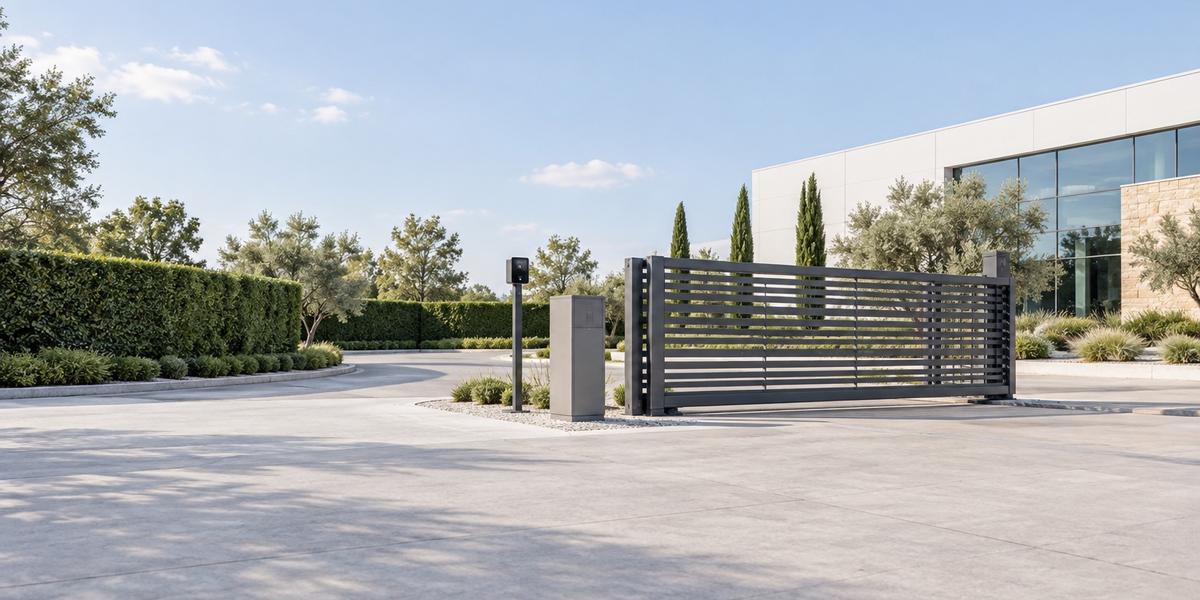
The vehicle entry your fence line protects: commercial operators, credential readers and safety loops.
View page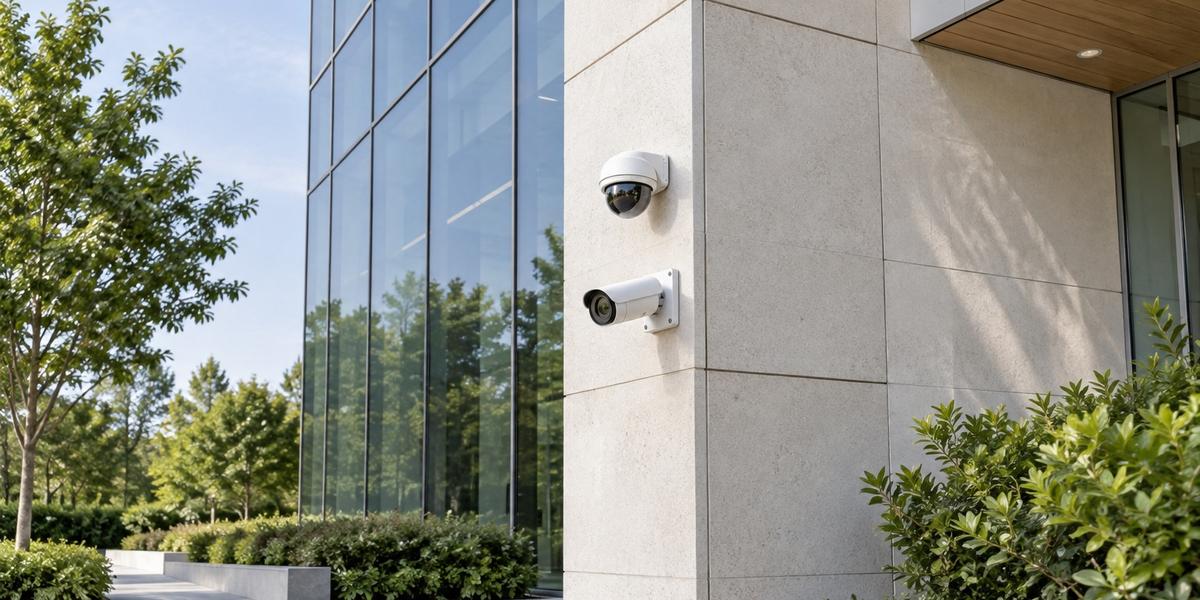
Continuous coverage of the boundary, with retention and remote access your team can actually use.
View page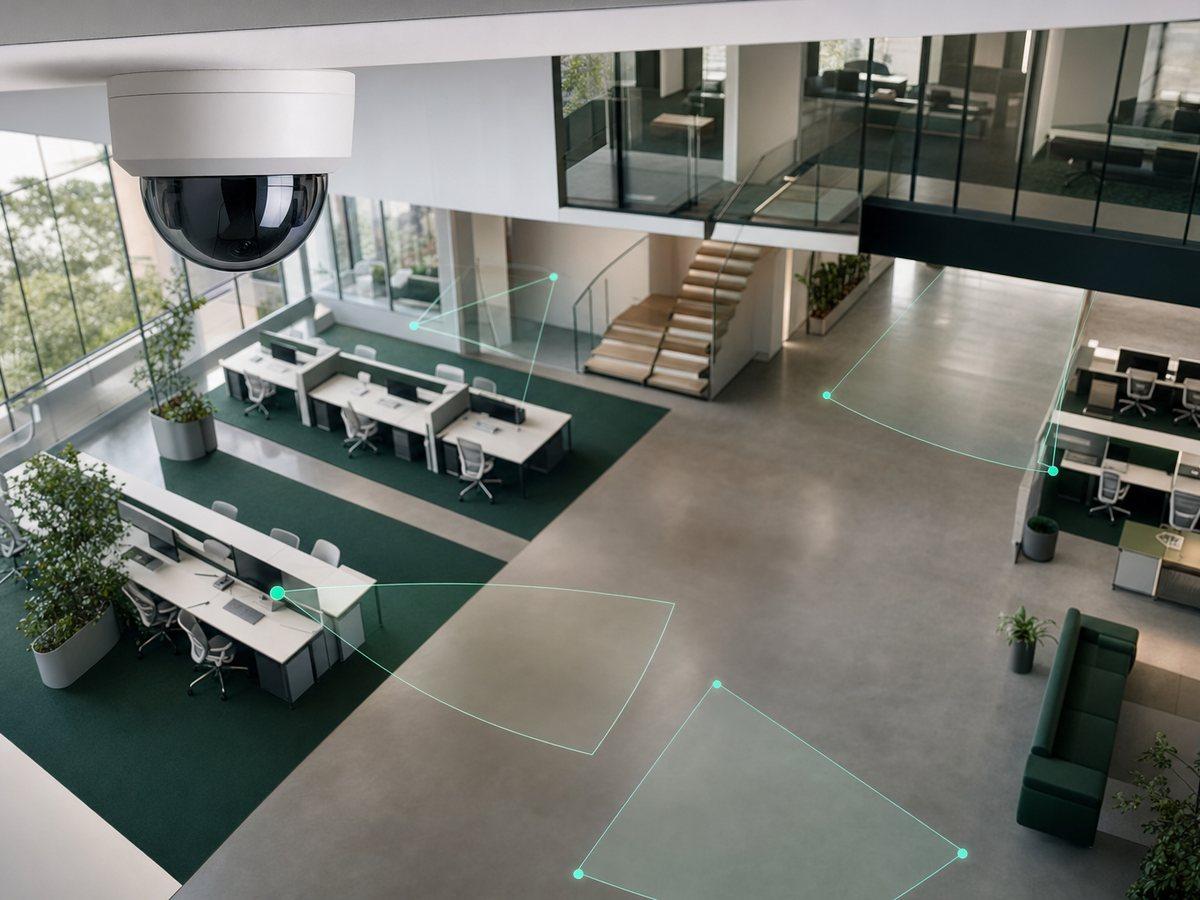
Line crossing and loitering rules that turn those perimeter cameras into active detection.
View pageThe questions property managers and HOA boards actually ask us on a site walk.
Ask us directlyPerimeter security is a layered approach to protecting the outer boundary of a property before a threat reaches the building or occupied areas. A complete system typically includes physical barriers such as ornamental iron or chain link fencing that define and enforce boundaries; vehicle barriers and crash-rated bollards that prevent unauthorized vehicle access; perimeter cameras that provide continuous visual surveillance of fence lines and entry points; thermal imaging cameras that detect heat signatures in low-light or no-light conditions; and fence-mounted vibration or intrusion detection sensors that alert operators the moment someone attempts to cut, climb or breach a fence.
These components are typically integrated with gate access control systems so that a detected event at the perimeter can automatically trigger a response across the entire security infrastructure. The goal is to detect, deter and delay unauthorized access as early as possible, giving your team or monitoring operators maximum response time before an intruder reaches a protected area.
Electronic perimeter detection uses sensors and cameras positioned at or along the fence line to identify intrusion attempts in real time. Fence-mounted vibration sensors detect physical stress on the fence structure, including cutting, climbing or impact, and generate an alert when a threshold is exceeded. Infrared beam sensors create invisible detection zones across open areas and trigger an alert when the beam is broken. Thermal imaging cameras continuously scan for heat signatures and use built-in analytics to flag moving figures against the background temperature of the environment. Video analytics applied to perimeter cameras can detect objects crossing a defined virtual boundary or loitering in a restricted zone.
When any of these systems detect an event, they send an alert to a monitoring station, a security panel or directly to a mobile device. In an integrated system, the alert can also trigger automated responses such as activating additional cameras, turning on lights or locking down gate access. The combination of multiple detection technologies reduces both missed detections and false alarms compared to relying on a single method.
Bollards and vehicle barriers both prevent unauthorized vehicle access, but they differ in form, placement and engineering specification. Bollards are vertical posts installed in rows or clusters to block vehicle passage while allowing pedestrian access. They come in fixed, removable and retractable configurations, and crash-rated bollards are engineered and independently tested to stop a vehicle traveling at a defined speed and weight.
Vehicle barriers is a broader category that includes anti-ram barriers, wedge barriers, beam barriers and surface-mounted systems designed for higher-traffic or higher-threat environments such as facility entrances, loading docks and critical infrastructure sites. The appropriate choice depends on the threat level, the volume of authorized vehicle traffic, the available installation depth and the aesthetic requirements of the property. For most HOA and gated residential applications, removable or retractable bollards provide the right balance of security and convenience.
Yes. Integration between perimeter security and access control is one of the most important aspects of a well-designed system, and it is a standard part of how we approach perimeter projects. We connect perimeter detection sensors, cameras and thermal systems to gate automation, intercoms and access control platforms so that events trigger coordinated responses across the system. A vibration sensor detecting a fence intrusion attempt can automatically activate the nearest cameras, alert the monitoring station and lock down the adjacent gate.
Perimeter cameras can be linked to plate recognition systems to log plate numbers at entry and exit points. We work with leading platforms including Verkada, Brivo and Milestone, and we assess your existing infrastructure during the site evaluation to determine the best integration path. In many cases, existing cameras or control panels can be incorporated into the updated system rather than replaced, reducing cost while expanding capability.
Perimeter security delivers the highest value for properties with defined outer boundaries, multiple access points, or significant assets and populations to protect. Commercial campuses and industrial facilities benefit from vehicle barriers, fence monitoring and integrated camera coverage to control who enters the property and to detect intrusion attempts after hours. HOA communities and gated residential developments use perimeter systems to enforce community boundaries, deter trespassing and provide residents with a visible layer of protection.
Waterfront and marina properties face unique perimeter challenges because water access cannot be fully fenced, making thermal imaging and boat-side camera coverage essential. Mixed-use properties and condominium complexes benefit from layered systems that separate public areas from private parking, courtyards and resident-only zones. Any property where unauthorized access creates a safety, liability or asset-protection risk is a strong candidate for a perimeter security assessment.
Cost varies based on the size of the perimeter, the number and type of technologies included, and the complexity of integration with existing infrastructure. A basic perimeter camera installation for a smaller HOA community may start in the range of a few thousand dollars, while a complete system combining fencing, bollards, thermal cameras, fence-mounted sensors and access control integration for a large commercial campus or industrial facility can reach six figures.
The most accurate way to determine cost is through a site assessment, which allows our team to measure the perimeter, identify coverage gaps, evaluate existing infrastructure and design a system matched to the actual scope of the project. We provide written proposals with itemized scope after every assessment so that property managers, HOA boards and facility owners have a clear picture of what is included and what it costs before any commitment is made.
Installation timelines depend on the scope and complexity of the system. A focused camera installation at entry points and fence lines for a smaller property may be completed in one to three days. A full-scale perimeter project that includes fencing, bollard installation, conduit runs for cameras and sensors, integration with gate access control and commissioning of monitoring software can take several weeks from mobilization to final sign-off.
Projects that require trenching, concrete work for bollard foundations or coordination with property management for access scheduling may have longer lead times. We provide a project timeline as part of every proposal so that property managers and boards can plan around the installation, and we coordinate all phases of the work to minimize disruption to property operations and residents.
Whether you are securing a commercial campus, a gated community or a waterfront property, we will assess your perimeter, design a layered protection plan and handle the complete installation.